How to Grow a Fall Container Garden: What to Plant in September, October & November
The tomatoes are done, the basil has gone to seed, and the pots on your balcony are looking sorry for themselves. Most people stack them in a corner at this point and call it a year.
Don’t. Some of the best things you can grow actually prefer cool weather, and a fall container garden will keep you in salad and greens long after the summer stuff has quit.
Pots have one big advantage over garden beds once nights get cold, too. You can pick them up and carry them somewhere better.
This guide will help you figure out what’s realistic to plant in your pots this fall, based on where you live rather than what the calendar says.
- Can You Still Plant a Container Garden in Fall?
- A Quick Month-by-Month Guide
- Why Fall Container Gardening Is Different
- How to Figure Out Your Fall Planting Window
- What to Plant in September
- What to Plant in October
- What to Plant in November
- Choosing Pots for Fall
- Reusing Your Summer Containers
- Looking After a Fall Container Garden
- Mistakes Worth Avoiding
- Frequently Asked Questions
- Final Thoughts
- Can You Still Plant a Container Garden in Fall?
- A Quick Month-by-Month Guide
- Why Fall Container Gardening Is Different
- How to Figure Out Your Fall Planting Window
- What to Plant in September
- What to Plant in October
- What to Plant in November
- Choosing Pots for Fall
- Reusing Your Summer Containers
- Looking After a Fall Container Garden
- Mistakes Worth Avoiding
- Frequently Asked Questions
- Final Thoughts
Can You Still Plant a Container Garden in Fall?
Probably, yes. It comes down to how many weeks you have before your first frost, not which month you’re in.
As a rough guide, and it does shift with your weather and what you’re growing:
- Eight weeks or more? You can usually sow many of the crops on the fall list from seed.
- Four to six weeks? You’re generally better off buying small plants than sowing, and leaning on quick crops like radishes and arugula.
- Under four weeks? A harvest this year gets unlikely. Garlic, spring bulbs, or greens you’ll pick early next spring make more sense.
If you’re right on the edge, remember your pots can move. Tucking them against a sunny wall or under cover on a cold night often buys you another week or two.

A Quick Month-by-Month Guide
| Month | What you’re mostly doing | Good picks |
| September | Last comfortable window to sow from seed | Lettuce, spinach, arugula, radishes, plus kale and chard as small plants |
| October | Transplanting, and planting for next year | Hardy greens as plants, garlic, spring bulbs, pansies and violas |
| November | Still planting in mild areas, protecting pots everywhere else | Mild winters: greens, carrots, peas. Cold winters: move tender pots, bring herbs indoors |
Treat this as a rough sketch. If your first frost usually lands in early October, your September looks like someone else’s late August. Read on and you’ll be able to work out your own version.
Why Fall Container Gardening Is Different
Container gardening in fall isn’t just summer gardening in a sweater. A few things genuinely change.
Pots Get Colder Than Garden Beds
A garden bed sits in a huge mass of earth. That earth soaks up warmth all day and lets it go slowly overnight, so roots down there never experience much of a swing.
Your pot has none of that cushioning. It’s a small amount of soil with cold air on every side, usually sitting on cold concrete.
Roots are also more sensitive to cold than the leaves above them, which is why advice on overwintering potted plants focuses on protecting the soil rather than the foliage (NC State Extension).

There’s no neat rule that tells you how much tougher a plant needs to be in a pot versus the ground. Just assume anything in a container is more exposed than the plant tag suggests, and give it a bit more shelter than you think it needs.
Related: How to Start a Raised Bed Garden (Beginner-Friendly Article)
Everything Grows Slower Now
Days are getting shorter and the sun sits lower, so your plants are getting less light and weaker light at the same time. They respond by slowing right down.
Something that would have been ready in six weeks back in July can take considerably longer sown in late September. Deeper into fall, plants mostly stop growing and just sit there, holding steady, which is fine if they’re already big enough to pick from.
So plant earlier than feels necessary, and add some breathing room to whatever the seed packet promises.
You Can Move Your Pots
Here’s where pots beat beds.
Shadows get longer through October, and you can shuffle containers around to follow whatever sun is left. You can huddle them together so they shelter each other, push them up against a wall that’s been warming in the afternoon sun, slide them under an eave when frost is coming, or just carry the delicate ones inside.
On a balcony or a small patio this often matters more than your climate zone does. A sheltered corner next to a building stays productive far longer than an open, windy spot.
How to Figure Out Your Fall Planting Window
September in a mild coastal climate is a completely different month from September somewhere that gets early snow. Rather than trusting a planting calendar written for someone else’s weather, work backward from your own frost date. It takes five minutes and it’s the most useful thing in this guide.

Find Your First Frost Date
Your average first frost date is roughly when frost tends to show up where you live. Your local Cooperative Extension service or national weather service is the best place to find yours, and there are reputable frost-date lookup tools online too.
It’s an average, so treat it as a planning number rather than a promise. Some years frost comes early, some years it drags its feet. Once you’re within a couple of weeks of the date, just watch the forecast.
Your own spot might behave differently, too. Balconies up off the ground, enclosed courtyards, and anywhere near warm brick or pavement often escape frost longer than the number for your zip code suggests. Open, exposed, low-lying spots get hit first.
Count Backward From It
Take how long your crop needs to grow, add a couple of weeks because everything slows down in fall, then add however long you want to be picking. That total tells you how far ahead of frost to plant.
Radishes are worth keeping in mind here. They mature quickly, so they’re often still a sensible choice when your first frost is getting close and the slower crops have run out of road.
Buying small plants instead of sowing seed skips several weeks of that, which is exactly why transplants make more sense as the season gets late.
And the hardy crops bend the rules a little. Kale, spinach and parsley keep going right through the first light frosts, so with those you’re aiming for the point where they stop growing rather than a hard deadline.
Light Frost vs. Hard Freeze
Worth knowing the difference, because your plants certainly know it.
A light frost happens around freezing, and it’s mostly bad news for tender plants. Your cool-season crops usually come through it untouched. Kale and collards often taste better afterward, sweeter, once the cold has done its work.
A hard freeze is colder and lasts longer, and that’s the one that finishes off most annual crops and can freeze the soil in a pot solid.
The exact temperatures behind frost and freeze warnings vary depending on where you are and the time of year, so your local National Weather Service forecast is the thing to check.
Some crops are very frost-sensitive. Basil, tomatoes, peppers, cucumbers, squash and beans rarely come through a frost in any useful state, so when one’s forecast it’s usually best to pick whatever is left and clear the pot rather than trying to protect them.
These are the crops worth building your fall pots around:
| Crop | Ready in about | Cold tolerance | Pot depth |
| Radish | 4-5 weeks | Light frost | 6-8 in |
| Arugula | 4-6 weeks | Light frost | 6-8 in |
| Mustard greens | 4-6 weeks | Handles frost well | 6-8 in |
| Spinach | 6-7 weeks | Very hardy | 6-8 in |
| Leaf lettuce | 6-8 weeks | Light frost | 6-8 in |
| Cilantro | 6-9 weeks | Light frost | 6-8 in |
| Swiss chard | 7-9 weeks | Light frost | 8-12 in |
| Kale | 7-9 weeks | Very hardy | 8-12 in |
| Green onions | 8-10 weeks | Handles frost well | 6-8 in |
| Carrots (short types) | 9-11 weeks | Handles frost well | 10-12 in |
| Parsley | 10-11 weeks | Very hardy | 8-10 in |
Those harvest times are rough estimates. They shift with the variety, the weather, and whether you’re cutting leaves young or waiting for full-sized plants, so check your seed packet and treat the table as a starting point. Cold tolerance varies the same way, and a sheltered pot will usually do better than one sitting out in the open.
Garlic doesn’t really fit on a list like that. It goes in during fall and comes out the following summer, so think of it as occupying a pot for the whole season rather than as a fall crop. Give it eight to twelve inches of depth.
What to Plant in September
If your first frost is still six weeks away or more, September is your month, and it’s the last easy chance to grow fall vegetables in containers from seed.
Start with the fast greens. Arugula, mustard, mizuna, leaf lettuce and spinach all come up quickly and love the cooling weather. Scatter the seed thickly, then cut the leaves with scissors rather than pulling whole plants, and one pot will give you several harvests.

Radishes go in now too. They’re the quickest thing you can grow and they’ll be happy in a shallow container. If you want carrots, long tapered varieties can be awkward in containers, so short or round varieties are usually a better choice.
For anything slower growing, buy small plants. Kale, chard and collards set out in September have time to settle in before growth slows, and they’ll keep giving you leaves well past the first frosts.
Don’t overlook herbs. Cilantro and dill actually prefer cool weather and often do much better now than they did in July. Parsley and chives will hold on well into the cold. Early fall is also a good time to get thyme, sage or oregano established in pots, so their roots have a few weeks to settle before winter.
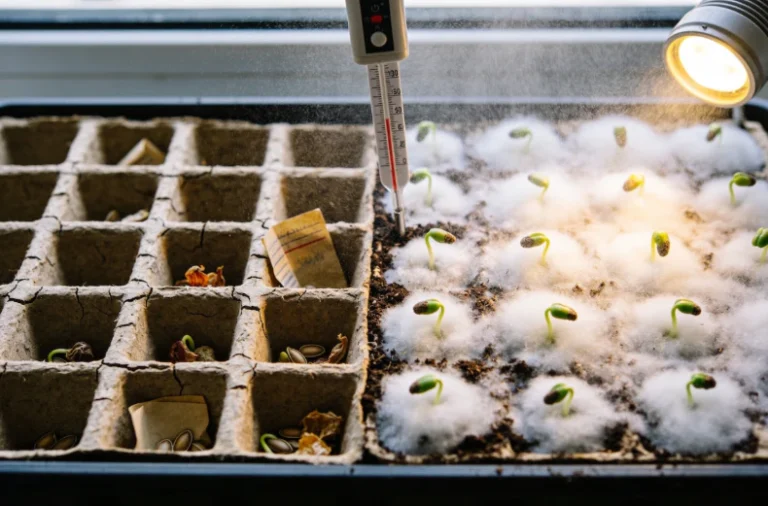
One warning, and it catches almost everyone out: in early fall your potting mix is often too hot, not too cold. Lettuce and spinach seeds can struggle to germinate in warm soil, and a dark pot in late summer sun gets hotter than any garden bed. If your first sowing comes up patchy, that’s usually why. Put the pot somewhere shaded until the seedlings appear, or start the seeds indoors.
What to Plant in October
Things are cooler and the window’s shorter, so the job changes. Less sowing, more transplanting, and a fair bit of planting for months down the line.

Hardy greens still go in, but buy them as plants. Kale, spinach, chard and lettuce won’t put on much size now, but established plants sit happily through cold weather and you can pick from them a leaf at a time. In milder areas, where frost is still weeks off, radishes and arugula from seed can still work, especially with something thrown over the pot on chilly nights.
Garlic is the star of October for container growers. It goes in around now across a lot of the country, though the timing shifts quite a bit depending on where you are, so check a local planting calendar first. Give it a pot at least eight to twelve inches deep, keep it somewhere it won’t freeze solid, and you’ll be pulling heads next summer. Hard to think of a better use for a container that would otherwise sit empty all winter.

Spring bulbs work on the same principle. Tulips, daffodils and crocus planted in pots now will flower next spring, but they need a good stretch of cold first. If your winters are mild, check whether the bulbs you’re buying need to be pre-chilled.
Related: Plant Now for Spring Beauty: A Beginner’s Guide to Fall-Planted Bulbs
Want something that looks good straight away? Pansies, violas and ornamental kale take frost in their stride and will carry a porch or balcony display through the cold months. In mild-winter regions they often keep flowering into spring.
What to Plant in November
This one depends on your climate more than any other month, and there’s a distinction worth getting clear on before you spend money.
Planting means putting something in a pot and expecting it to grow. Overwintering means keeping a plant alive through the cold without expecting much from it, so it’s ready to go when spring arrives. Confusing the two is how people end up disappointed.

If your winters are mild, November is still a proper planting month. Lettuce, spinach, kale, chard, cilantro, carrots and radishes all go in happily, and in the warmest areas this turns out to be the nicest growing season of the year. In areas with mild winters, peas can also be worth trying.
If your winters are moderate, you’re down to garlic if the soil hasn’t frozen, spring bulbs, cool-season flowers, and hardy greens under cover for an early spring picking.
If your winters are cold, planting is over. Now it’s about protection. Move tender herbs and perennials indoors or into a sheltered garage before a hard freeze. Group and insulate the pots you’re keeping. Empty and store anything that might crack. Rosemary and bay do far better on a bright windowsill than they will outside.
Honestly, bringing a few herb pots indoors is a fine November project almost anywhere, and it keeps something green and edible going through winter.

Choosing Pots for Fall
Once frost is in the picture, the pot itself becomes part of your protection.
Go bigger than you would in summer. A large container holds warmth longer, doesn’t swing as hard between afternoon and midnight, and won’t dry out as fast. Use the depth column in the table above as your minimum. Small decorative pots freeze quickest and are usually the first thing you lose.
Drainage still matters, maybe more than ever. Soggy soil in freezing weather expands as it freezes and can damage roots and crack the pot. Sit your containers on pot feet or a couple of bricks so the holes stay clear, and stop leaving water standing in saucers once frost season starts.
Material makes a real difference. Unglazed terracotta soaks up water and cracks when it freezes and thaws repeatedly, so if your winters are hard, empty those pots and store them. Plastic, resin and fiberglass cope better and are much easier to move. Thick wooden planters insulate nicely. Fabric pots drain beautifully but dry out fast, and they insulate less than a large rigid container, so they’ll want extra protection once it’s freezing.
Where you put them is the free upgrade. A wall that faces the sun stores heat during the day and releases some of it overnight. Pots grouped together lose less heat than pots scattered around. Getting them up off cold concrete helps. And if you’re on a balcony, check the weight limit before you line up a row of big planters full of wet soil.
Reusing Your Summer Containers
Don’t just tip fresh seed into last season’s tired soil and hope.
Pull out the old plants, roots and all. Those leftover roots break down slowly and take up room you need.
Then have a look at the soil itself. A whole summer of watering leaves it compacted and stripped of nutrients. If the plants that came out were healthy, you don’t need to throw it away. Break it up, pick out the roots, and mix in fresh potting mix and compost until it feels loose and crumbly again instead of heavy and dense. How much you add depends on how tired it is, so go by feel.
Disease changes that. If the last plant wilted, had bad mildew or root problems, start fresh, and don’t put the old soil on your compost heap either, since home compost piles rarely get hot enough to kill off the problem reliably. Give the pot a scrub with soapy water first.
Before you fill it back up, poke the drainage holes clear and make sure water runs straight through.
Then mix in a little slow-release fertilizer or compost. A little. Fall crops don’t need much, and you’re not trying to force fast growth this late.
Looking After a Fall Container Garden
Watering
Your pots will need less water now. Cooler air, weaker sun and shorter days all mean less evaporation, and by October overwatering is the more likely mistake.
They’ll still dry out though, and wind is what usually catches people. A breezy balcony pulls moisture out of soil and leaves even when it’s cold.
Check with your finger an inch or two down rather than watering to a schedule. Water in the morning so leaves dry off before dark, and when you do water, water properly, until it runs out the bottom.
If a hard freeze is coming, water beforehand so the soil is damp but not soggy. Damp soil holds warmth better than dry soil and gives the roots a little more protection.
- Nullify
- Weather-Resistant: Expertly crafted from all-weather poly wood, this DWVO raised garden bed resists cracking, fading, or…
- Experience Unmatched Stability: Our DWVO raised garden bed outdoor includes a foldable, hidden support leg under the she…
Sunlight
The sun’s lower now, so shadows stretch much further than they did in summer. A corner that got eight hours in July might get three by late October. Fences, buildings and evergreens all throw shade well past where you remember it falling.
Spend a day noticing where the light actually lands, then move your pots to follow it. Leafy greens and herbs don’t need as much sun as fruiting crops did, and four to six hours is often enough to keep them going, though they’ll grow more slowly than they would in full sun. Carrots and other root crops want more if you expect a decent size. If everything’s shady by October, grow leaves and skip the roots.
Feeding
Go easy here, or skip it entirely.
Cold soil slows down how much plants can take up anyway, so a big feed mostly goes to waste. Worse, pushing nitrogen this late produces soft, sappy growth, and soft growth gets damaged by frost much more easily than slow sturdy growth does.
An occasional weak liquid feed is plenty for greens that are still actively growing. Follow the label and use less rather than more. Once growth visibly stops, stop feeding. Anything you’re just keeping alive over winter doesn’t need feeding again until spring.
Frost Protection
Most cool-season crops sail through a light frost with no help at all, so save your effort for the borderline plants and for stretching the season a bit further.
Container garden frost protection is mostly simple stuff:
- Throw frost cloth, row cover or an old sheet over the pot in the evening, and take it off in the morning so plants get light and air
- Prop the cover up on stakes or hoops so it isn’t lying on the leaves
- If you use plastic as a temporary cover, keep it from touching the foliage
- For a hard freeze, move pots against a wall, under an eave, or into an unheated garage
- Push containers close together and pack straw or fallen leaves around the outside
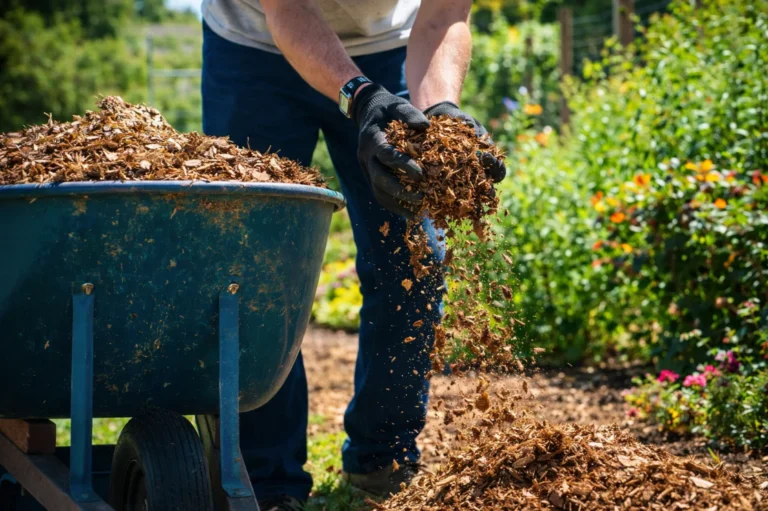
- Mulch the surface of each pot to slow heat escaping from the top
Wind
Wind does two kinds of damage. It dries plants and soil out much faster than still air, and it knocks tall pots over.
Move containers into a sheltered corner, behind a railing, or against a screen, and cluster them so they break the wind for each other. In exposed spots, wide low pots are steadier than tall narrow ones, and anything top-heavy is worth weighting at the base. On an upper-floor balcony, secure whatever could go over the edge.
Mistakes Worth Avoiding
Planting by the calendar rather than your frost date. “Plant in September” doesn’t mean much until you know when frost usually arrives where you are.
Sowing cool-season seed into a hot pot. Lettuce and spinach won’t germinate well in warm soil. Shade the pot or start the seed indoors.
Using pots that are too small. They freeze fast, dry fast, and swing wildly between day and night. Sizing up is the easiest fix most people can make.
Watering like it’s still July. Cool weather means less water, and permanently damp soil in the cold invites root problems.
Feeding heavily late in the season. All you get is soft growth that frost ruins.
Leaving water sitting in saucers. It freezes, blocks the drainage, and waterlogs the roots at the worst possible time.
Assuming your sunny summer spot is still sunny. Sun angles change a lot by October.
Leaving wet terracotta out through freeze and thaw. It absorbs water and cracks. Empty it and store it.
Frequently Asked Questions
Is it too late to start a fall container garden?
Depends on your frost date, not the month. Four or more frost-free weeks, and hardy greens as plants plus quick crops like radishes are still worth it. Less than that, plant garlic or spring bulbs instead.
What vegetables grow best in pots in fall?
Lettuce, spinach, arugula, mustard greens, kale, chard, radishes, green onions and short carrots. Parsley, cilantro and chives too. All handle at least a light frost.
Do fall container plants need full sun?
Less than you’d think. Greens and herbs often manage on four to six hours. Root crops want more if you expect them to bulk up.
How often should I water containers in fall?
Less than in summer, but keep checking rather than guessing. Test an inch or two down and water when it’s dry there. Windy spots dry out faster than the temperature suggests.
Can I leave pots outside all winter?
Sometimes. Hardy plants in large, frost-proof containers often manage if they’re grouped and sheltered. Tender plants, small pots and terracotta are safer moved or emptied.
Do I need to cover my pots every time frost is forecast?
No. Kale, spinach and parsley take light frost without help. Cover the borderline plants, and everything when a hard freeze is coming.
Can I plant garlic in a container?
Yes, and it’s one of the best uses for a spare pot. Eight to twelve inches deep, somewhere it won’t freeze solid. Check a local calendar for timing.
Final Thoughts
Nearly all of this comes down to one thing: find your frost date, count backward, and plant what actually fits the weeks you’ve got. The month on the calendar is only a rough guide.
Start small. Two or three decent-sized pots of hardy greens will teach you more about how late your own balcony or patio can keep going than a dozen little ones scattered around, and they’re far less work to look after when the weather turns.