How to Start a Raised Bed Garden (Beginner-Friendly Article)
Starting a garden sounds incredibly simple… until you actually try it out for the first time. You dig, you plant the seeds, you water them carefully, and somehow things still do not grow the way you expected.
I remember my first attempt pretty clearly. I dug the soil, planted a few seeds, watered them carefully every day and still, things didn’t grow the way I expected. Some plants barely sprouted, others just stopped growing halfway.
If that frustrating scenario sounds familiar, trust me, you are definitely not alone. One of the biggest reasons beginners struggle is because of poor native soil and a complete lack of environmental control.
That is exactly where raised bed gardening makes a massive difference. Instead of dealing with rock-hard ground, aggressive weeds, and highly unpredictable results, you create a clean, controlled space where plants can actually thrive.
- So, What Exactly Is a Raised Bed?
- The Beauty of Containment
- Why Raised Beds Work So Well
- What You Actually Need (Keep It Simple)
- Pick the Right Spot First
- Let’s Talk About Soil (This Is Where Most People Go Wrong)
- What Should You Grow First?
- Spacing Matters More Than You Think
- Watering the Right Way
- A Few Mistakes You Can Easily Avoid
- Small Tips That Make a Big Difference
- Final Thoughts
So, What Exactly Is a Raised Bed?
A raised bed is simply a clearly defined growing area where the soil is lifted above ground level, usually inside a wooden or metal frame.
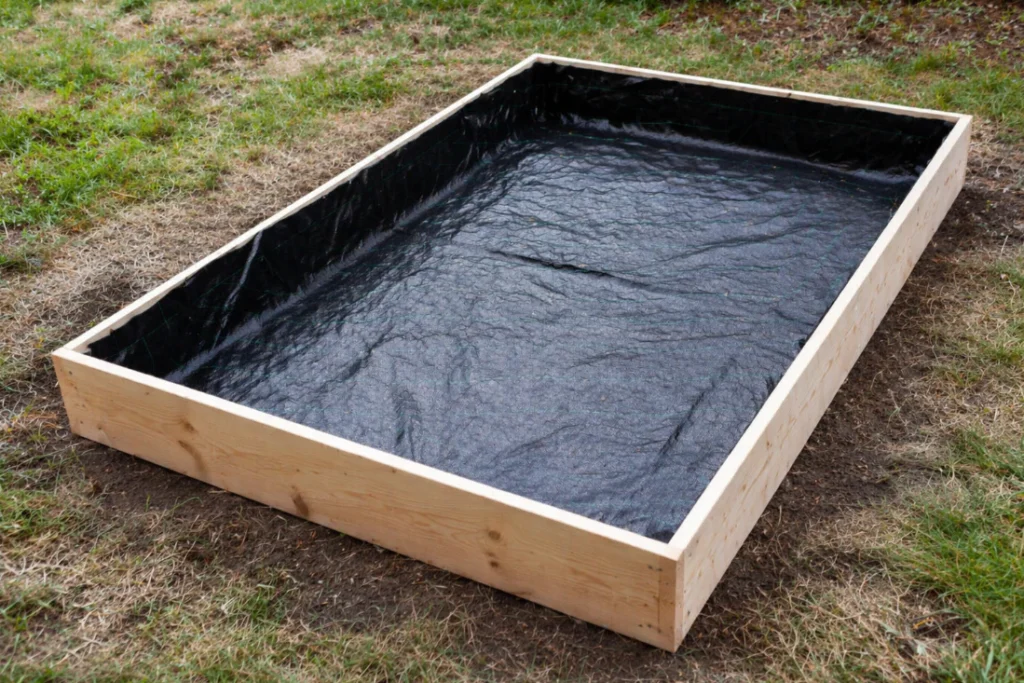
At first, it sounded too simple to me. But once I tried it, I realized how big of a difference it makes.
When you build a raised bed, you’re no longer stuck with whatever poor soil your yard has. You don’t have to fight clay, sand, or compact dirt anymore.
Instead, you build your own soil.
And that one change alone completely transformed how my plants grew.
The Beauty of Containment
One thing I didn’t expect was how clean everything looked.
Because everything is contained inside a frame:
- Grass doesn’t invade your plants
- The garden looks organized
- Walking around is easier
Why Raised Beds Work So Well
Many new gardeners wonder if building wooden frames is actually worth the extra upfront effort. The answer is a resounding yes.
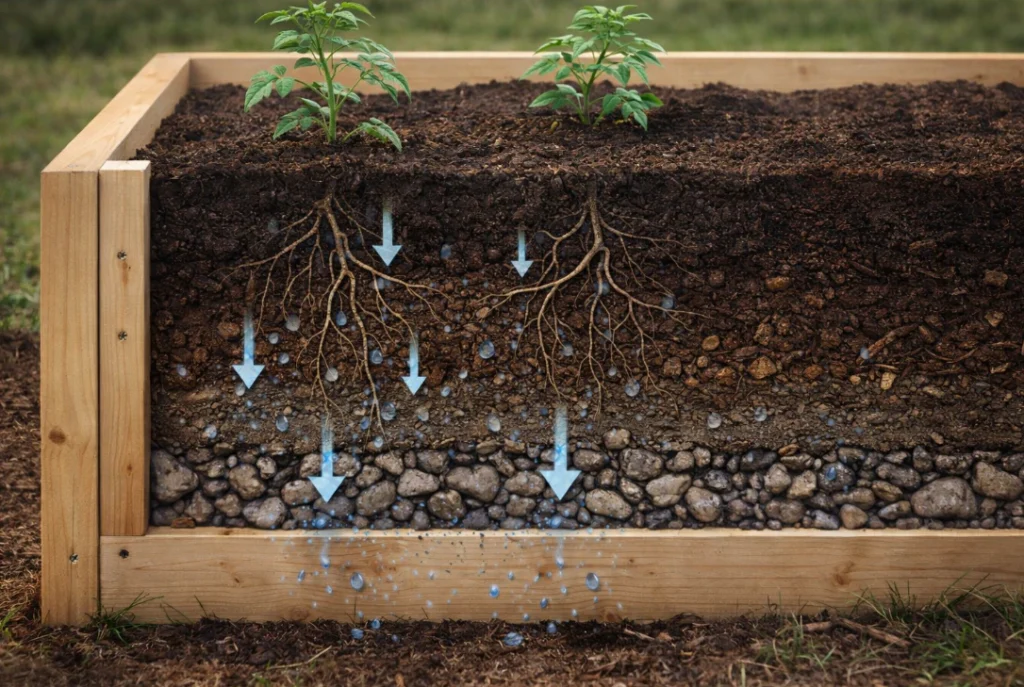
Here is what most beginners notice almost immediately after switching to this method:
- Water drains much better: Because the soil is elevated, gravity pulls excess water down and away from the delicate plant roots.
- Soil stays loose and easy to manage: You never step directly on the growing area, meaning the dirt never becomes hard and compacted over time.
- Fewer weeds show up: You are starting with fresh, weed-free bagged soil, which drastically cuts down on the hours you spend pulling weeds.
- Plants grow more evenly: Every single plant gets the exact same high-quality nutrients and loose soil depth to stretch its roots.
It is definitely not magic it is simply about providing much better growing conditions than the flat ground offers.
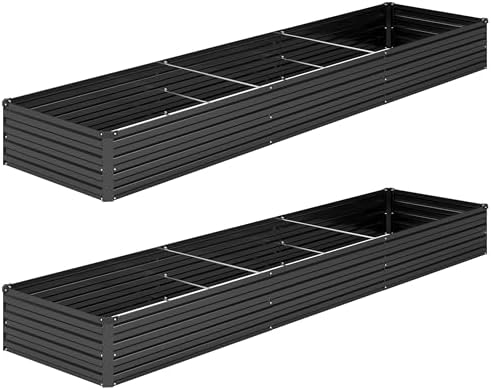
- Size: 144″(L) x 24″(W) x 12″(H),Planter raised bed provide outdoor sufficient space to grow vegetables,flowers,galvanize…
- Safe Design:The 4 corners above and below the raised garden bed are protected with pads,which effectively prevent sharp …
- Easy to Assemble: Can be easily assembled without additional tools(Attention: This is a two-piece set in one box)
If you have ever heavily struggled with compact, rocky soil or messy, unorganized garden beds, this raised setup truly feels like hitting a massive reset button.
Easier on Your Back
Another huge benefit that people often forget is the physical comfort. Because the soil is lifted 12 to 24 inches off the ground, you do not have to bend over nearly as far.
This makes planting, weeding, and harvesting significantly easier on your lower back and knees during long summer days.
What You Actually Need (Keep It Simple)
It is very easy to get overwhelmed by expensive gardening catalogs and fancy landscaping tools. But you really do not need a complicated, expensive setup to get started today.
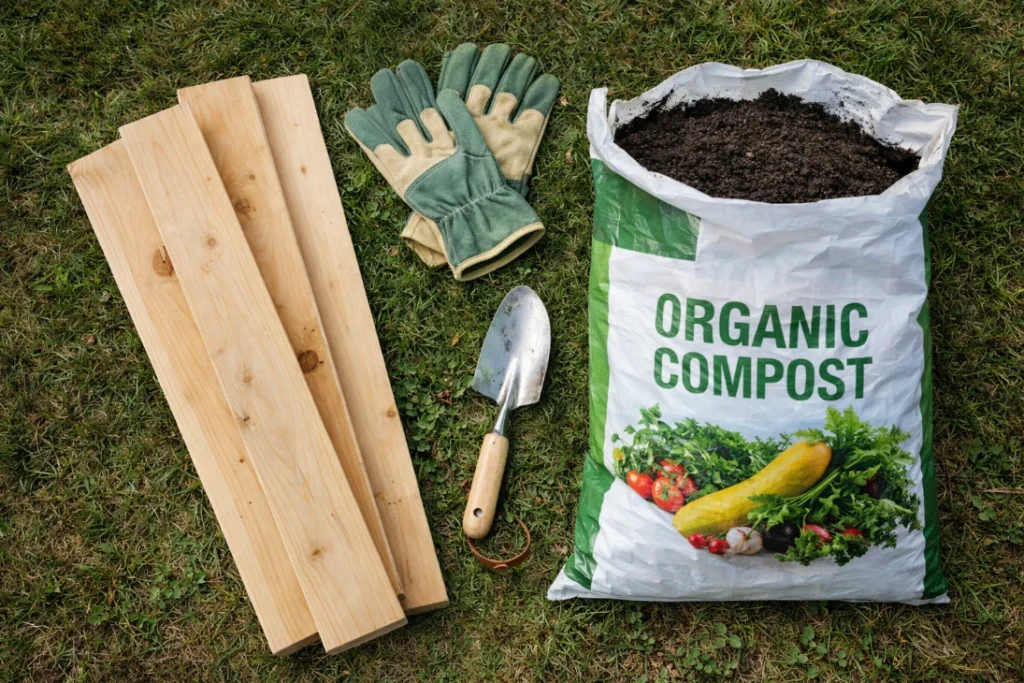
A highly effective, basic raised bed requires only a few key things:
- A sturdy frame: You can use untreated cedar wood, galvanized metal sheets, or even DIY repurposed bricks and stones.
- A good soil mix: This is the absolute most important investment you will make for the garden.
- Rich compost: To naturally feed your growing vegetables without relying on harsh chemical fertilizers.
- Basic hand tools: A simple trowel, some gardening gloves, and a reliable watering hose.
That is literally it. You do not need expensive irrigation systems or complex shade covers on day one.
You can easily upgrade your garden and add fancy accessories later down the road. But for your very first season, starting simple works just fine and keeps the process highly enjoyable.
Related: A Complete Guide to Composting How to Turn Kitchen Waste into Garden Gold
Pick the Right Spot First
Before you buy any wood or start building anything, you need to pause right here. Choosing the location is crucial.
Because this specific step matters significantly more than most people think. If you put your box in the wrong place, it will be very heavy and difficult to move later.
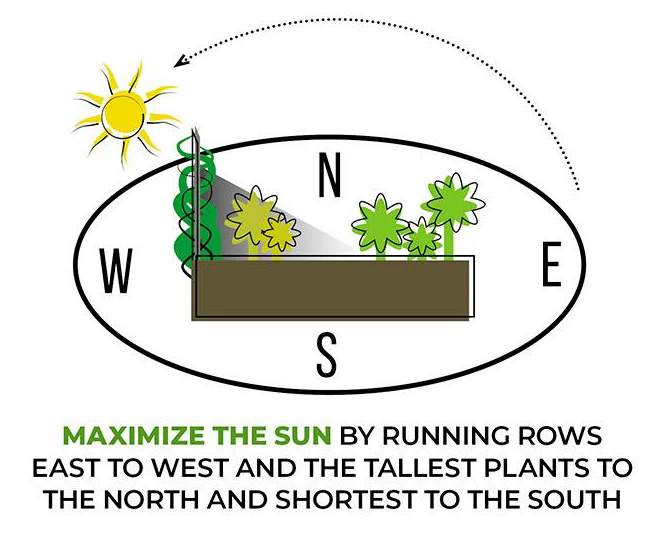
If your new garden does not get enough daily sunlight, absolutely nothing else you do will fix that problem. No amount of expensive fertilizer can replace the sun.
Aim for a location that offers:
- 6–8 hours of direct sunlight: Vegetables like tomatoes and peppers are heavy sun-worshippers.
- Good natural airflow: A gentle breeze dries off wet leaves, which actively prevents harmful plant diseases and fungus.
- Easy access to water: You do not want to drag a heavy, 100-foot hose across the entire yard every single morning.
The Observation Test
If possible, observe your backyard space for an entire day before making a final decision. Watch how the shadows from your house or large trees move across the grass.
See exactly where the sun hits the longest and strongest. That specific bright spot is exactly where your new garden needs to go.
Let’s Talk About Soil (This Is Where Most People Go Wrong)
If your seeds are sprouting but your plants are not growing well, the soil is usually the primary reason.
A lot of enthusiastic beginners make the exact same critical mistake they dig up regular, hard garden soil from the yard and dump it into their brand new raised beds, expecting great results.
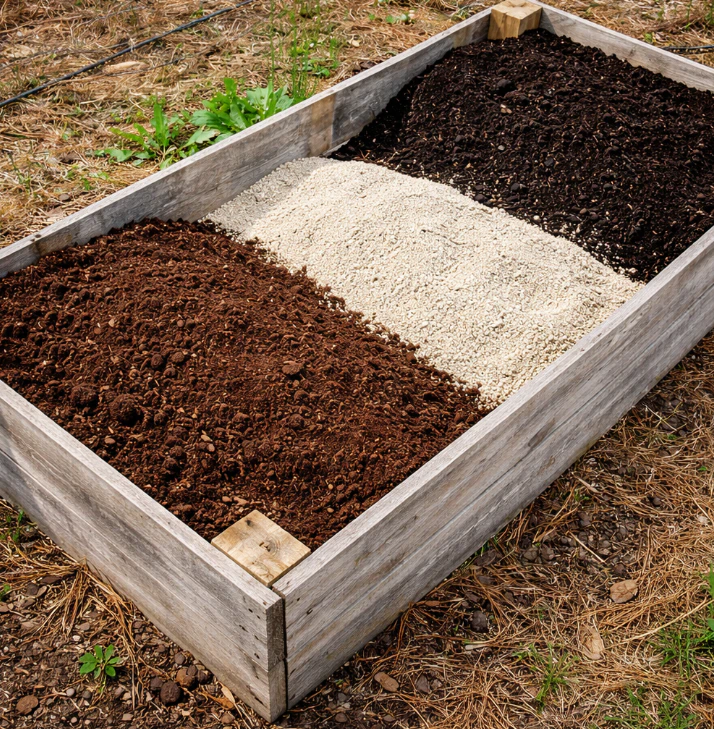
But raised beds are essentially giant containers, and they need a completely different approach to soil structure. Regular yard dirt will quickly become hard as a rock inside a wooden frame.
A simple, highly effective mix that works really well for beginners is:
- 40% high-quality topsoil: This provides the heavy base and physical structure for the roots to grab onto.
- 30% rich compost: This acts as the long-term food source, packed with natural organic nutrients.
- 30% organic matter: Things like coconut coir or peat moss to keep the soil fluffy and hold moisture perfectly.
This specific formula gives you the ultimate balance. You get excellent water drainage, plenty of air pockets for the roots, and more than enough nutrients to feed hungry plants.
If you have extra soil leftover from filling your beds, do not throw it away! You can easily use it to create some stunning Flower Pots Outdoor arrangements for your patio.
If you want to absolutely avoid the common dirt mistakes (like I did early on in my gardening journey), you have to prioritize building a loose, fluffy soil mix from day one.
Related: A Beginner’s Guide to Understanding and Improving Your Garden Soil
What Should You Grow First?
When you are just starting out with your very first raised bed, the best advice is to not overthink it. Keep your choices highly realistic.
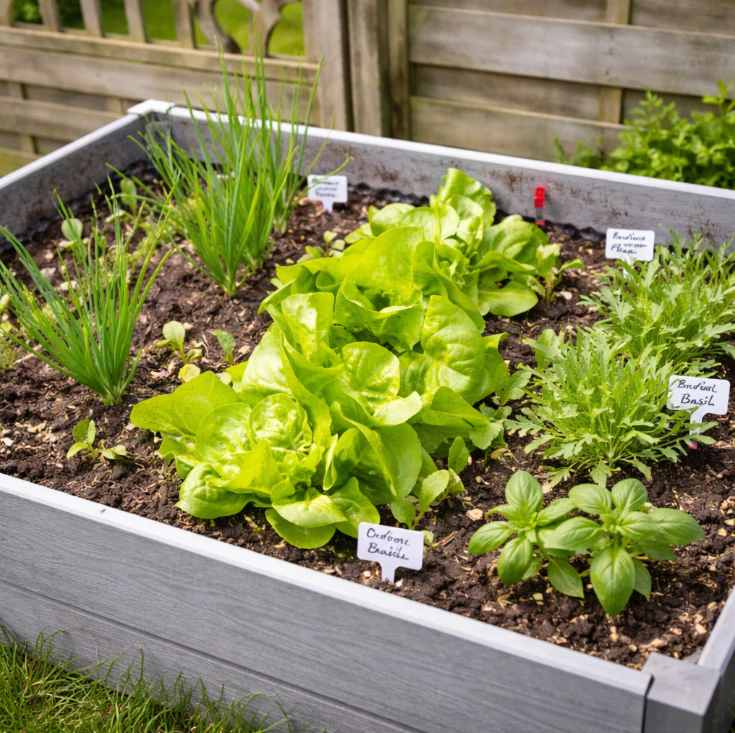
Go with plants that are notoriously easy, fast-growing, and highly forgiving of minor beginner mistakes. You want quick wins to boost your confidence.
Some incredibly good beginner options include:
- Lettuce and leafy greens: They grow extremely fast and you can start harvesting them in just a few short weeks.
- Cherry Tomatoes: They are highly productive and much easier to grow than massive, heavy slicing tomatoes.
- Bell Peppers: They love the loose, warm soil of a raised bed and require very little daily maintenance.
- Fresh Herbs: Basil, mint, and parsley are virtually indestructible and add massive flavor to your kitchen.
These specific crops grow quickly and give you early, visible results. Seeing that fast growth is exactly what keeps you highly motivated to maintain the garden all summer long.
The Power of Companion Planting
You do not have to limit your raised beds exclusively to vegetables. Mixing in the right flowers can actually protect your food.
For example, planting heavily scented herbs and bright flowers can act as natural Mosquito Repelling Plants while also keeping harmful aphids away from your tomatoes.
You can also place a few beautiful Geranium Planters right at the corners of your wooden bed to attract essential bees and pollinators to your vegetable blossoms.
Spacing Matters More Than You Think
One highly common mistake every beginner makes is trying to grow way too much food in a very small space.
When you look at tiny seeds or small baby seedlings in a massive bed, it feels highly efficient to pack them tightly together. But as they grow, it actually causes severe problems.
Plants are living things, and they need significant room to breathe. They specifically need:
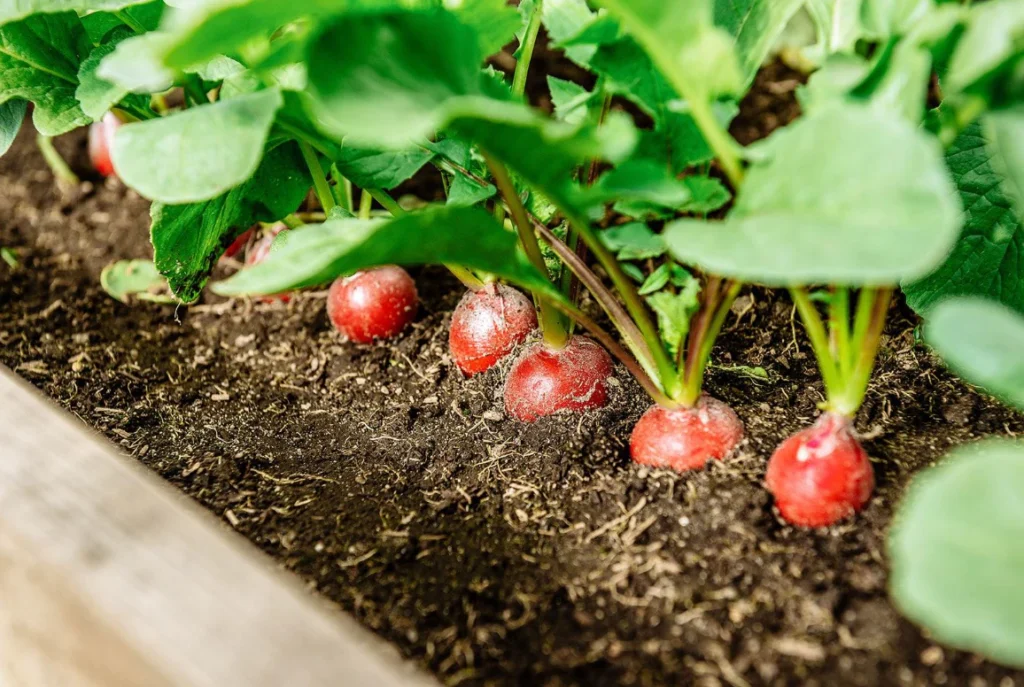
- Good airflow between the leaves: If leaves are constantly touching and wet, they will quickly develop white powdery mildew.
- Adequate space for roots: If roots are crowded, they will aggressively fight each other for water and nutrients.
- Room to physically spread out: A tiny tomato seedling will eventually turn into a massive, four-foot-tall bush.
If your vegetables are heavily crowded, they compete against each other instead of growing healthy and strong. It heavily reduces your final harvest.
The golden rule for your first year: Start with fewer plants and give them plenty of space. You will actually get more food from four healthy, well-spaced plants than from ten crowded, starving ones.
Watering the Right Way
One of the biggest advantages of raised beds is that they drain significantly faster than regular, flat ground soil. This is absolutely fantastic because it actively prevents root rot and keeps your plants healthy.
However, that fast drainage also means you need to change the way you water your garden. You cannot rely on the same watering schedule you use for your lawn.
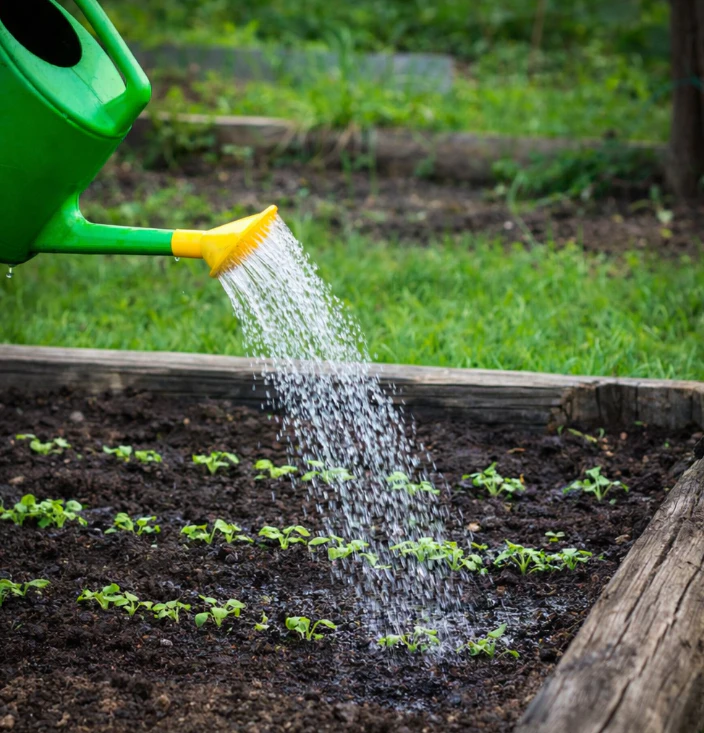
Because the soil is lifted up and exposed to the sun and wind on all sides, it tends to dry out much quicker during the peak heat of mid-summer.
A simple, highly effective approach to watering:
- Water deeply, not lightly: Instead of giving the plants a quick daily sprinkle, soak the soil heavily at the base of the plant. This forces the roots to grow deep into the bed looking for moisture, making the plants much stronger.
- Check the soil before watering again: Never water just because it is a certain day of the week. Stick your finger about two inches into the dirt. If it feels completely dry, it is time to water. If it is still damp, wait another day.
- Add mulch to keep moisture locked in: Covering the bare soil with a thick layer of organic straw or shredded leaves is an absolute game-changer. It blocks the harsh sun and stops the water from evaporating instantly.

- Material: The watering can made of high-quality metal and paint material, durable and resistant to wear and tear. It can…
- 1 Gallon /4L watering can offers the ideal size for your outdoor plants and minor indoor plants , which gives you excell…
- With a Removable Spout, so you can choose between a steady stream or a gentle shower, this multifunctional design takes …
If you ever notice that the soil in your raised bed stays heavily soggy or smells sour, something is definitely wrong. It usually means you either have terrible drainage at the bottom of the box, or you are simply overwatering.
Learning exactly when and how much to water is a skill. For a deeper dive into summer plant care, check out our previous guide.
A Few Mistakes You Can Easily Avoid
Gardening is a constant learning process, but you do not have to learn everything the hard way. There are certain things that many enthusiastic beginners (including me, when I first started) consistently get wrong.
If you know what these pitfalls are before you build your first bed, you will save yourself a massive amount of frustration, time, and wasted money.
Here are the most common raised bed mistakes and how to avoid them:
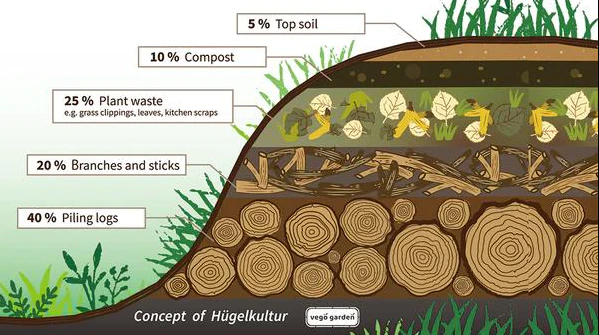
- Using poor, compacted soil: As we discussed earlier, never fill your beautiful new wooden frame with heavy, rocky dirt from your yard. It will completely suffocate the roots. Always invest in a loose, fluffy raised bed mix.
- Watering too often (but too lightly): A light sprinkle every day encourages roots to stay near the dry surface. Always water deeply and less frequently.
- Planting too close together: Ignoring the spacing rules on the back of the seed packets will result in overcrowded, diseased plants that produce very little food.
- Choosing a shady, inconvenient location: If you place your garden behind the garage where it gets no sun and is far from the hose, your plants will suffer, and you will eventually lose the motivation to walk out there and care for them.
The good news? These are all highly preventable issues. Fix these specific things early on, and everything else about gardening becomes significantly easier.
Dealing with unexpected garden pests is another common hurdle. If you start seeing holes in your lettuce leaves, read our article on to stop bugs safely.
Small Tips That Make a Big Difference
You absolutely do not need to master advanced agricultural techniques or buy highly expensive chemical fertilizers to have a stunning, highly productive backyard garden.
The secret to long-term success is just developing a few simple, smart habits that support the health of your soil year after year.
- Add fresh compost regularly: Before you plant a new crop each spring, spread a fresh two-inch layer of organic compost over the top of the bed. It acts like a slow-release vitamin for your vegetables.
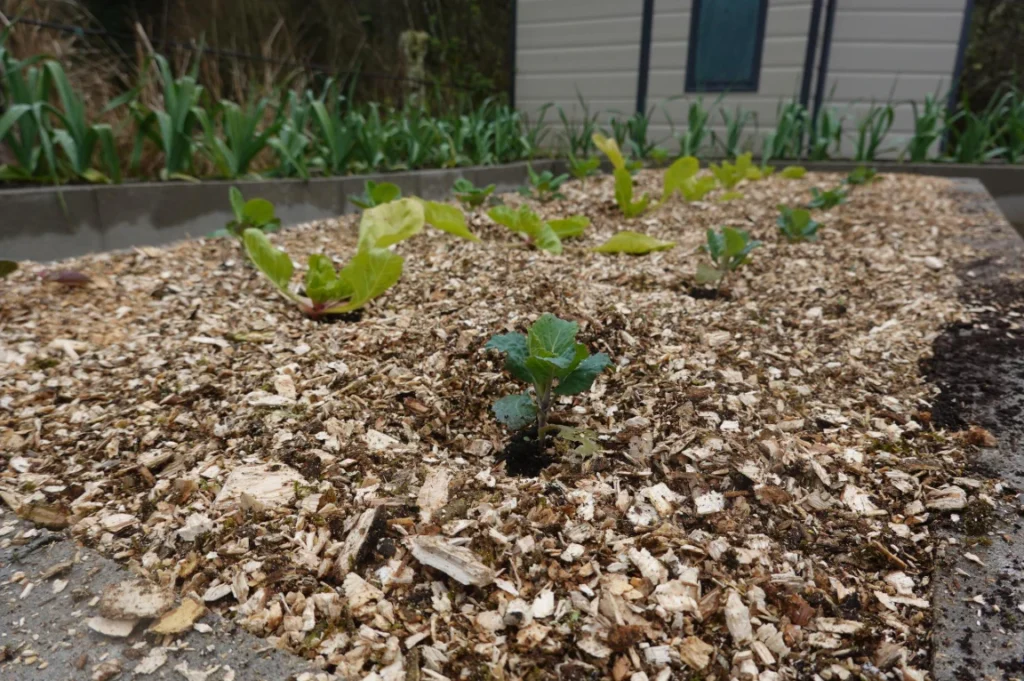
- Use mulch to aggressively reduce weeds: As mentioned in the watering section, mulch is your best friend. A thick layer of straw not only holds in moisture but completely blocks the sunlight that weed seeds need to sprout.
- Rotate your plants each season: Never plant the exact same vegetable (like tomatoes) in the exact same spot two years in a row. Moving them around prevents soil diseases from building up and stops the dirt from becoming depleted of specific nutrients.
- Keep things incredibly simple: Do not try to grow 25 different varieties of exotic vegetables in your first year. Stick to 4 or 5 basic, easy-to-grow staples. Master the basics first.
Always remember that successful gardening improves with time and hands-on experience. Do not rush the process or get frustrated if a plant dies. Every single mistake is just a valuable lesson for next season.
If you want to create your own free, nutrient-rich dirt for your raised beds, composting is the way to go. Check out our beginner’s guide to Starting a Backyard Compost Bin.
Final Thoughts
At the end of the day, raised bed gardening is not overly complicated, but it is fundamentally different from traditional in-ground farming. It requires a slightly different approach to soil structure and watering habits.
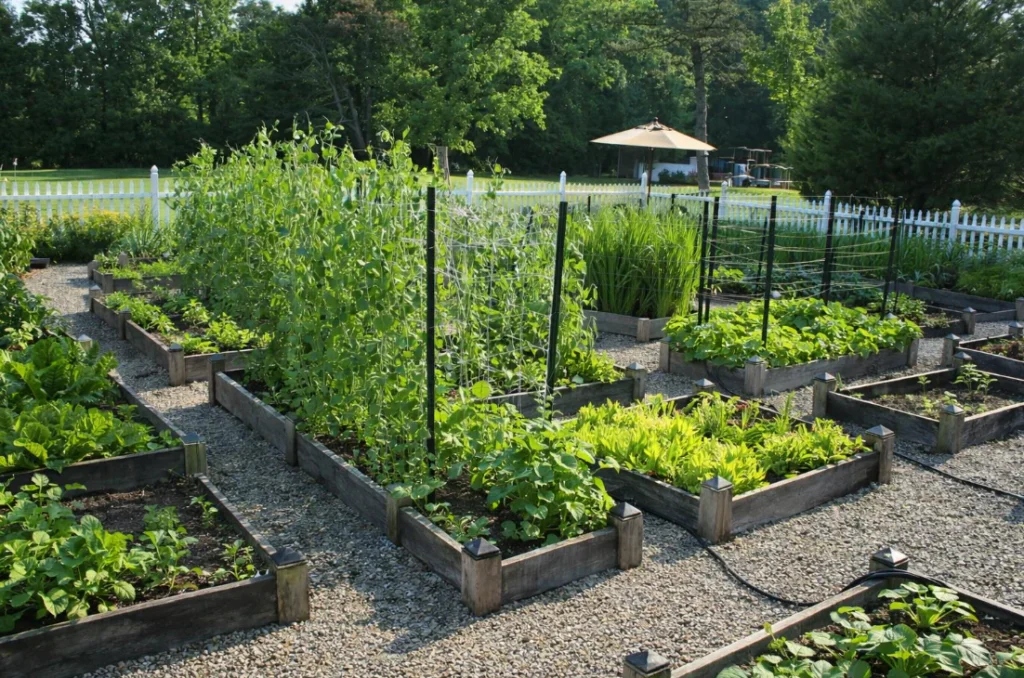
Once you truly understand the absolute basics good soil, proper sunlight, and adequate spacing everything else just naturally starts to click into place.
By investing the time to build a raised bed, you will almost immediately notice:
- Much healthier, more vigorous plants
- Significantly better, more consistent growth
- Way less physical frustration and back pain
It turns backyard gardening from a heavy, exhausting chore into a highly relaxing, deeply rewarding hobby.
So, start small. Build just one or two simple boxes for your first year. Learn as you go, observe how the plants react, and confidently adjust your methods along the way.
That is really all it takes to become a successful gardener!