How to Grow Cilantro: A Complete Beginner’s Guide
Cilantro has a reputation for being difficult, but most of the trouble comes down to one thing: it’s a cool-weather plant that most people try to grow through summer. Once you know that, everything else falls into place.
This guide covers the whole process, from sowing seed to harvesting leaves, plus how to grow cilantro in a pot or indoors, how to handle bolting, and what to do when the plant eventually flowers anyway.
- Quick Answer: How to Grow Cilantro
- When to Plant Cilantro
- How to Grow Cilantro From Seed
- Best Soil for Cilantro
- How Much Sun Does Cilantro Need?
- How Often to Water Cilantro
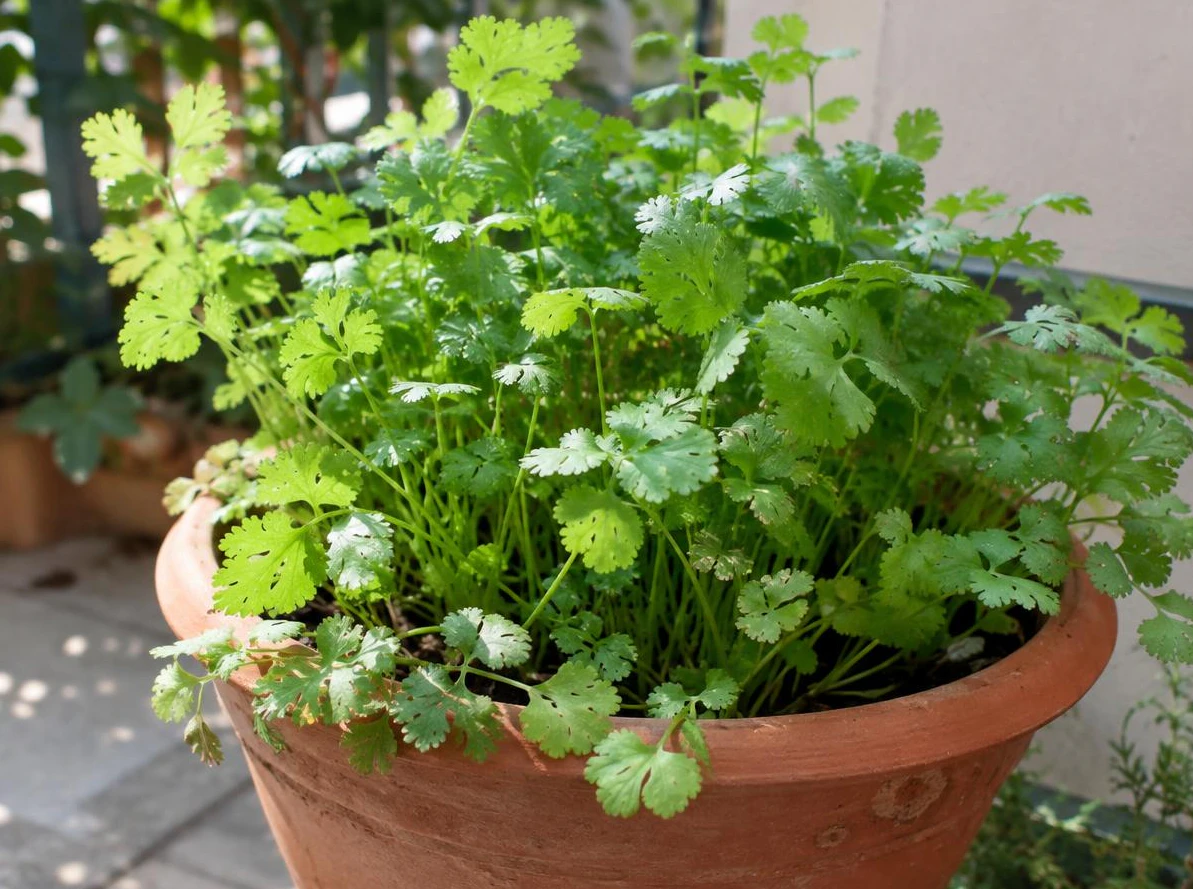
- How to Grow Cilantro in Containers
- How to Grow Cilantro Indoors
- How to Keep Cilantro From Bolting
- Succession Planting: The Best Way to Keep Cilantro Growing
- How to Harvest Cilantro
- How to Grow Cilantro for Coriander Seeds
- Common Cilantro Problems
- F A Q
- Conclusion
Quick Answer: How to Grow Cilantro
Sow cilantro seed directly into well-drained soil or a pot around 8 inches deep or deeper, about a quarter to half an inch deep, during the cool parts of the year rather than mid-summer. Give it full sun in cool weather, or some afternoon shade where it’s hot. Keep the soil evenly moist without letting it stay soggy. Start cutting leaves once plants have enough healthy growth to spare, often around 4 to 6 inches tall, taking the outer stems and leaving the center to regrow.
Cilantro will eventually bolt, meaning it sends up a flower stalk and stops producing good leaves. You can delay it, but you can’t stop it for good. The practical answer is to sow a small batch every few weeks so a new one is always coming on.
- Quick Answer: How to Grow Cilantro
- When to Plant Cilantro
- How to Grow Cilantro From Seed
- Best Soil for Cilantro
- How Much Sun Does Cilantro Need?
- How Often to Water Cilantro
- How to Grow Cilantro in Containers
- How to Grow Cilantro Indoors
- How to Keep Cilantro From Bolting
- Succession Planting: The Best Way to Keep Cilantro Growing
- How to Harvest Cilantro
- How to Grow Cilantro for Coriander Seeds
- Common Cilantro Problems
- F A Q
- Conclusion
When to Plant Cilantro
Cilantro is a cool-season annual. It grows fast, flowers fast, and does both on a schedule set mostly by temperature and day length rather than by anything you do.
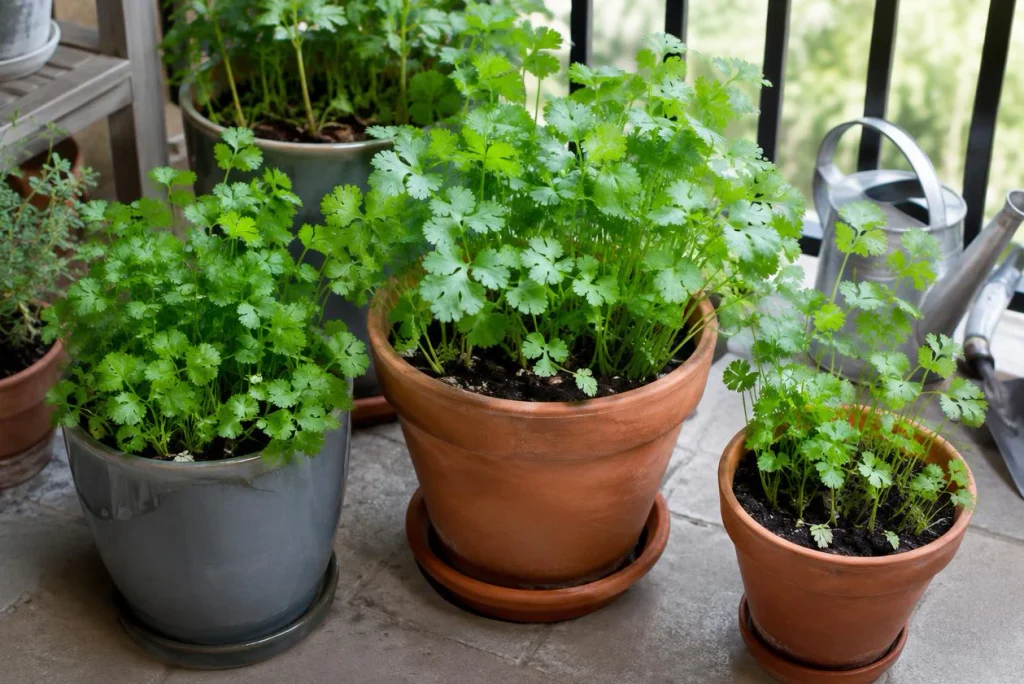
In mild conditions, roughly the 50s to low 70s Fahrenheit, cilantro produces generous leafy growth. As temperatures climb and days lengthen, the plant switches its energy from leaves to flowers and seeds. That’s not a failure on your part. It’s how the plant is built.
So the two reliable planting windows are spring and fall:
- Spring: sow as soon as the soil is workable and heavy frosts have passed. Cilantro tolerates cool conditions well and light frost usually doesn’t bother established plants.
- Late summer into fall: often the better window. Temperatures are falling rather than rising and days are shortening, which means plants stay leafy for longer before flowering.
Rather than following a fixed date, work from your own conditions. In hot-summer climates, cilantro is often best grown in spring and fall. Mid-summer sowings are much more likely to bolt quickly because high temperatures and long days encourage flowering. Where summers stay mild, you may get harvests through most of the season. In mild-winter regions, cilantro often grows straight through winter and is at its best in the coolest months.
When temperatures become consistently hot, especially during long summer days, cilantro is much more likely to bolt. The exact timing varies with climate, variety, and growing conditions.
Related: 16 Vertical Herb Garden Ideas to Grow Fresh Flavors in Small Spaces
How to Grow Cilantro From Seed
Cilantro is nearly always better sown directly where it will grow. It forms a taproot and resents being moved, and transplant disturbance tends to push it toward bolting sooner. Nursery seedlings can work, but a direct-sown batch usually outperforms them.
@aj.plants 🌱 From tiny cilantro seeds to a lush green harvest! Watch me grow fresh cilantro step by step in a pot. 🌿💚 #Cilantro #Gardening #GrowWithMe #AJPlantsGarden #PlantGrowth ♬ Cooking Food – Cassiopeia
Sowing depth and spacing. Sow seeds about a quarter to half an inch deep. For leaf harvests, cilantro can be grown relatively close together. If you’re growing a small patch for repeated leaf harvests, thin seedlings to roughly 2 to 6 inches apart depending on how densely you sowed. For plants grown specifically for coriander seed, give them more room to develop. Crowding slightly is fine when you’re cutting young leaves; too crowded and you get thin, leggy stems.
Germination. Cilantro commonly takes around one to three weeks to germinate, depending on seed freshness, soil temperature, and moisture. Keep the surface consistently moist during this period, since a seedbed that dries out mid-germination is a common reason for patchy results.
About soaking and crushing. Each cilantro “seed” is actually a small dry fruit containing two seeds, which is why one can produce two seedlings. Soaking seed for a day or so before sowing can speed things up a little, and some gardeners lightly crush the husk for the same reason. Neither step is necessary, and crushing risks damaging the seed inside. If germination is slow, moisture and soil temperature are usually the real issue.
Thinning. Once seedlings have a few true leaves, thin the crowded ones by snipping at soil level rather than pulling, which avoids disturbing the roots of neighbors. The thinnings are edible, so nothing is wasted.
Best Soil for Cilantro
Cilantro isn’t fussy about fertility, but it is fussy about drainage.
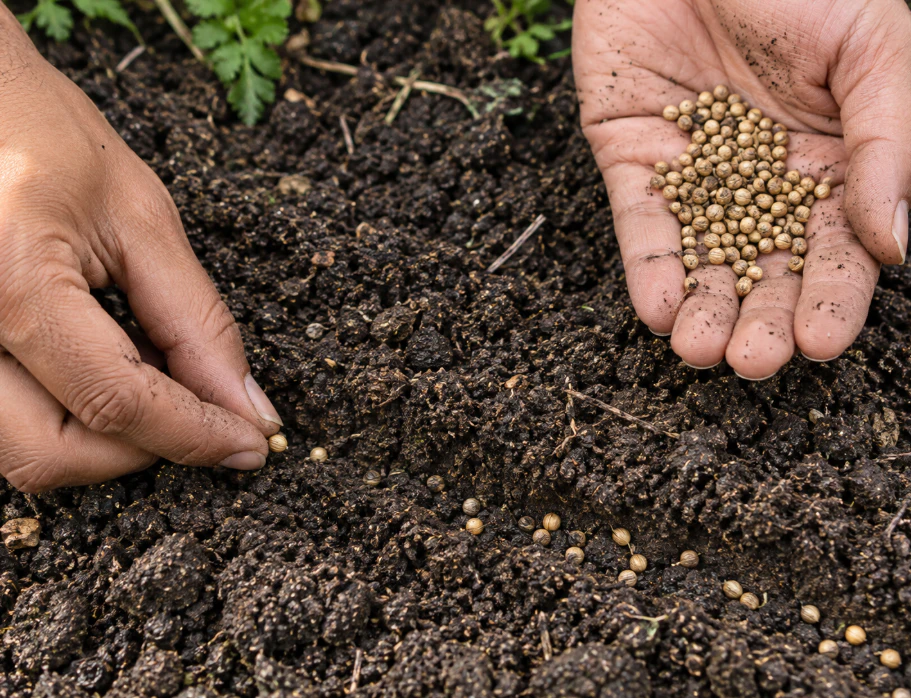
Aim for loose, well-drained soil with a reasonable amount of organic matter worked in. Heavy clay that stays wet after rain is the main thing to avoid, since cilantro roots sitting in saturated soil are prone to rot and the plants tend to yellow.
You don’t need rich soil or heavy feeding. Moderate fertility gives good leafy growth; pushing lots of nitrogen isn’t necessary and won’t stop the plant from flowering on schedule.
For containers, use a quality potting mix rather than garden soil. Garden soil compacts inside a pot and drains poorly, which is exactly the condition cilantro dislikes most.
How Much Sun Does Cilantro Need?
In cool weather, cilantro generally grows well in full sun. In hotter climates, some afternoon shade can help reduce heat stress and may delay bolting.
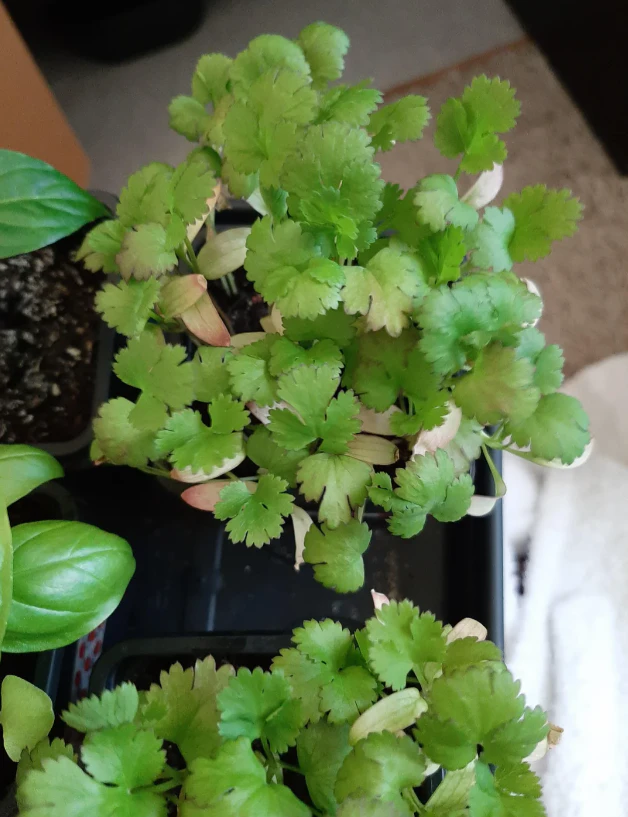
During a heat wave, a spot with morning sun and shade through the afternoon is often the better choice. Plants there may grow slightly slower but usually stay leafy longer.
This is one of the advantages of growing cilantro in pots: you can shift the container as the season warms rather than being stuck with wherever you sowed it.
How Often to Water Cilantro
Keep the soil evenly moist, and let the soil and weather tell you when, rather than watering on a fixed daily routine.
Check the top inch with a finger. If it’s dry at that depth, water. If it’s still damp, wait. Soil in the ground might need watering once or twice a week in mild weather; a small pot in warm wind might need it daily.
Two practical points:
- Water thoroughly rather than lightly and often. Shallow sprinkles encourage shallow roots.
- Avoid letting cilantro dry out completely and then flooding it. Keeping moisture reasonably consistent helps prevent unnecessary stress, especially while seedlings are establishing.
Good drainage matters as much as watering frequency. Consistently soggy soil causes more cilantro losses than underwatering does.
How to Grow Cilantro in Containers
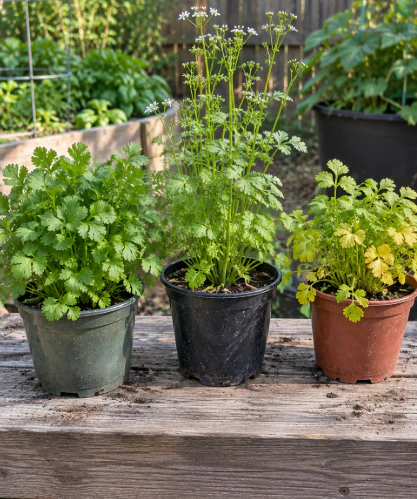
Cilantro is well suited to pots, and container growing gives you real control over light and temperature, which is useful for a plant this sensitive to heat.
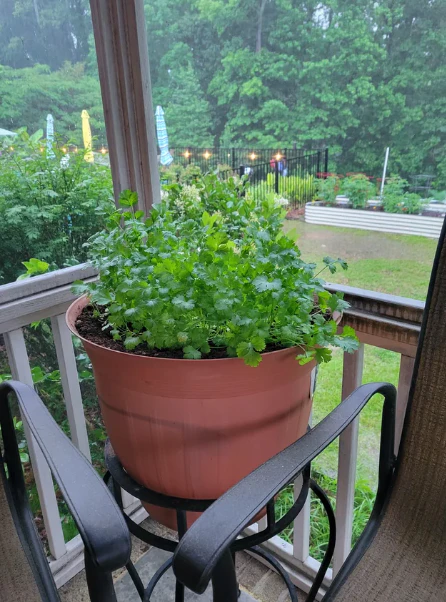
Container depth. For a full crop of cilantro, a container around 8 inches deep or deeper is a practical choice because cilantro develops a relatively long taproot. A wider container is also useful if you want to sow several plants together. A deeper pot holds moisture more evenly, which matters more than hitting an exact measurement.
Related: How to Grow a Fall Container Garden: What to Plant in September, October & November
Drainage. Make sure the container has working drainage holes, and don’t leave it standing in a saucer of water.
Potting mix. A standard quality potting mix is fine. Some compost mixed in helps, but cilantro doesn’t need a heavily enriched blend.
Light and placement. Put the pot in full sun during cool weather. As things heat up, move it somewhere that gets morning sun and afternoon shade. Being able to relocate the pot is one of the genuine advantages here.
Watering. Containers dry out faster than garden beds, especially small ones on a windy balcony, so check more often. The finger test still applies.
Succession sowing in pots. Rather than one large pot you keep cutting from, two or three smaller pots sown a few weeks apart work better. When one bolts, the next is ready.
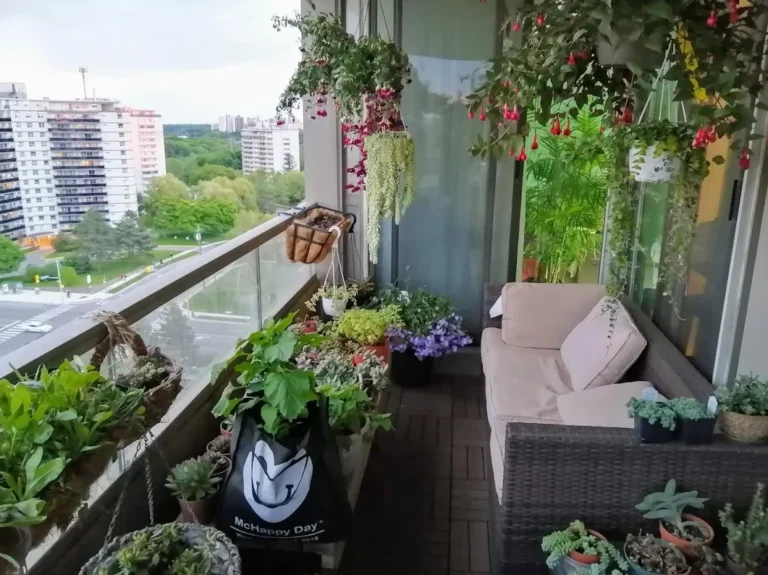
Cilantro also fits well into vertical setups if floor space is tight, though give it a reasonably deep pocket or pot rather than a shallow one. There are plenty of options in our vertical herb garden ideas.
How to Grow Cilantro Indoors
Cilantro can be grown indoors, but it’s worth going in with realistic expectations. Indoor plants are usually smaller and less productive than outdoor ones, and they tend to be shorter-lived.
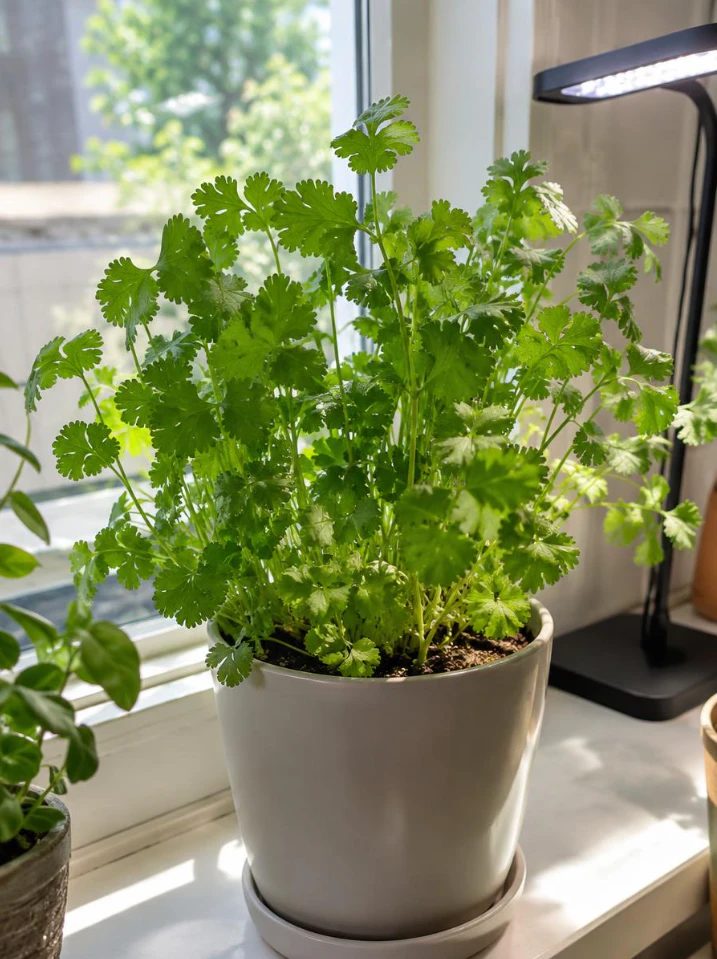
Light is the limiting factor. A bright south-facing window is the minimum for decent growth. Most indoor windowsills deliver less usable light than they appear to, and the usual result is pale, stretched, floppy stems. If your window isn’t genuinely bright, a grow light running for a good stretch each day makes a noticeable difference.
Container and drainage. Same rules as outdoors: a pot at least 8 inches deep, drainage holes, and a tray you empty rather than one that keeps the base wet.
Related: Why Indoor Plants Are Dying in Winter (And How to Save Them)
Airflow. Still, humid indoor air encourages fungal problems on crowded seedlings. A little air movement, an open window in mild weather or a fan in the room, helps.
Watering. Indoor pots dry more slowly than outdoor ones, so it’s easy to overwater. Check before watering rather than sticking to a schedule.
Expectations. Treat indoor cilantro as a series of short crops rather than one permanent plant. Sow a small batch, harvest it over several weeks, then start another.
How to Keep Cilantro From Bolting
Bolting is when the plant shifts from producing leaves to producing a flower stalk. You’ll see the center of the plant rise up, the new leaves turn fine and feathery instead of broad and flat, and then small white or pinkish flower clusters appear. Leaf production drops off, and the flavor of what’s left changes.
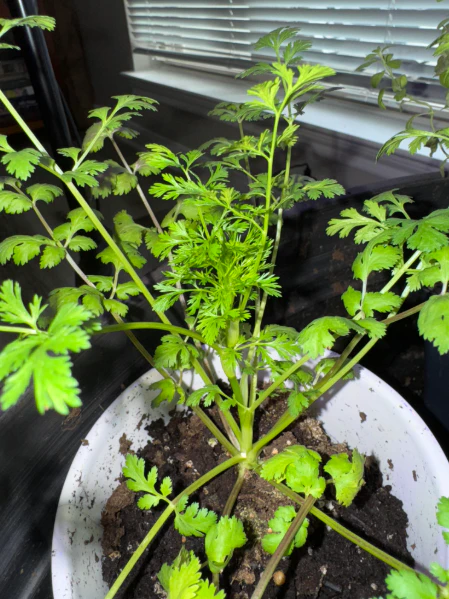
Why it happens. Both temperature and day length influence bolting. Hot weather can speed up the transition, while longer days also encourage flowering. Stress contributes as well: transplant shock, letting the plant dry out badly, or root disturbance can all bring flowering forward. Cilantro is an annual whose whole purpose is to set seed, so it’s a matter of when, not if.
That means no method prevents bolting permanently. Any advice promising otherwise is overselling. What you can do is delay it and plan around it.
Ways to buy yourself more time:
- Sow in the cool windows. Spring and fall sowings stay leafy far longer than summer ones.
- Choose slow-bolting varieties. Some cultivars are bred or selected to bolt more slowly. If available, look for varieties described by seed suppliers as slow-bolting or long-standing. They still bolt eventually.
- Provide afternoon shade in hot weather. Reducing heat stress at the hottest part of the day helps.
- Keep moisture steady. Don’t let plants swing between bone dry and soaked.
- Sow directly and avoid disturbing roots. Less stress means less pressure to flower.
- Harvest regularly. Frequent cutting keeps the plant producing new leaves, though it won’t override the flowering signal.
When bolting starts. Harvest generously right away, because the leaves are still usable in the early stages. After that you have a choice: pull the plant and sow another, or let it flower. The flowers attract beneficial insects, and if you leave them, you’ll get coriander seed.
Succession Planting: The Best Way to Keep Cilantro Growing
If there’s one habit that changes how much cilantro you actually get, it’s this. Instead of planting once and hoping it lasts, sow small batches repeatedly.
A practical rhythm is to sow a new small patch or pot every two to three weeks through the cool parts of the year. By the time one batch starts to flower, the next is ready to cut.
The right interval depends on your conditions. In cool weather plants last longer, so you can space sowings further apart. In warm weather they run to flower sooner, and sowing more often makes sense. Adjust based on how long your batches are actually lasting.
Small batches also suit small spaces better. Three modest pots staggered a few weeks apart will give you a steadier supply than one large pot sown all at once.
How to Harvest Cilantro
You can begin harvesting once the plants have enough healthy leaves to spare. For many plants this is around 4 to 6 inches tall, often somewhere near three to four weeks after germination depending on conditions.
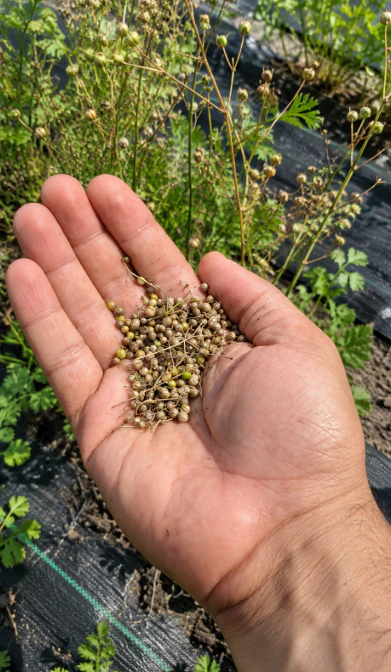
How to cut. Take the outer stems, cutting them near the base of the plant rather than pinching off individual leaf tips. This encourages new growth from the center and keeps the plant productive.
How much to take. Avoid removing too much foliage at once. Taking a portion of the outer leaves and stems allows the plant to keep producing, while stripping a plant bare slows recovery considerably.
Before flowering. Leaf quality is best before the plant bolts, so harvest freely during good growth rather than saving it for later. Cilantro doesn’t reward patience.
After bolting. Once a flower stalk is up, leaf production falls away and the remaining foliage tends to taste different, often described as sharper or more bitter. At that point most gardeners either clear the plant or leave it to seed.
Cilantro doesn’t store well fresh for long, so pick what you need as you need it rather than harvesting in bulk.
How to Grow Cilantro for Coriander Seeds
The same plant gives you both crops. In American usage, the leaves are cilantro and the dried seeds are coriander. Elsewhere, the whole plant is usually called coriander.
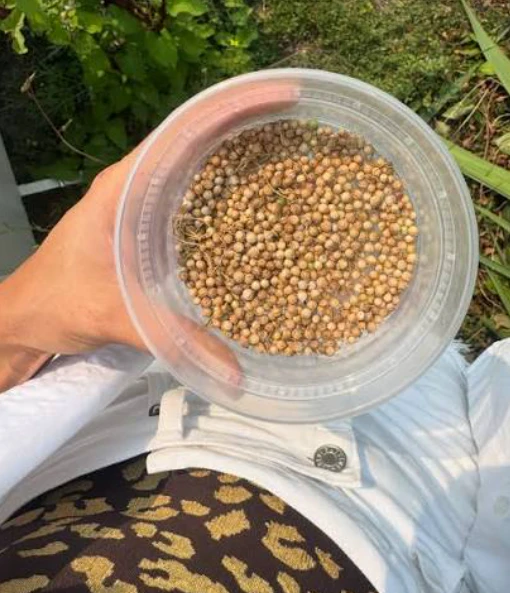
Growing for seed is the easier of the two jobs, since you’re working with the plant’s natural inclination rather than against it. Let a plant flower instead of pulling it. Seeds form after the flowers fade, and once the seed heads turn brown and dry on the plant, cut the stems and finish drying them somewhere airy. Hanging the heads upside down in a paper bag catches the seeds as they drop.
If you want both crops, dedicate a few plants to seed and keep harvesting leaves from your succession sowings. One more thing worth knowing: cilantro self-seeds readily, so a plant left to shed its seed will often give you volunteer seedlings the following season.
Common Cilantro Problems
Bolting. The most common complaint, and covered in full above. In short: expect it, delay it where you can, and keep sowing.
Yellow leaves. Most often a drainage or watering issue. Check whether the soil is staying soggy and whether the pot drains freely. Overcrowded plants and prolonged heat stress can also cause yellowing, as can nutrient shortage in a container that’s been watered heavily for weeks.
Slow or patchy germination. Usually down to the seedbed drying out, soil that’s too cold or too warm, or old seed. Keep the surface consistently moist and use fresh seed where you can. Cilantro germination is naturally a little uneven, so some gaps are normal.
Weak or leggy growth. Almost always insufficient light, particularly indoors. Sowing too thickly causes it too, since crowded seedlings stretch for light. Thin them and, indoors, add supplemental light.
Overwatering. Look for yellowing lower leaves, soft stems near the base, and soil that never seems to dry. Let the top inch dry between waterings and confirm the drainage holes aren’t blocked.
Aphids. Small clusters on new growth and leaf undersides. A firm spray of water usually clears light infestations. For heavier ones, insecticidal soap works, though check the label for use on edible herbs. Worth noting that cilantro flowers attract several insects that prey on aphids.
Fungal problems. Damping off can take out seedlings in cool, wet, crowded conditions, and leaf spots can appear during prolonged wet weather. Better spacing, avoiding overhead watering late in the day, and improving airflow all reduce the risk. These issues aren’t typical in well-drained soil with reasonable spacing.
F A Q
Can cilantro grow in pots?
Yes, and it does well in them. A pot around 8 inches deep or deeper suits the taproot well, make sure it drains, and check the moisture more often than you would a garden bed. Pots also let you move the plant into shade when the weather turns hot.
Can cilantro grow indoors?
It can, provided the light is good. A bright south-facing window is the minimum, and a grow light helps a lot in dim rooms or through winter. Expect smaller, shorter-lived plants than outdoors, and plan to resow every few weeks.
Why does cilantro bolt so quickly?
Because it’s a cool-season annual responding to heat and lengthening days by flowering and setting seed. Stress from transplanting or drying out speeds it up. Slow-bolt varieties, cooler sowing windows, and afternoon shade all delay it, but nothing prevents it entirely.
How often should I plant cilantro?
Every two to three weeks during the cool parts of your growing season is a good starting rhythm. Adjust from there: if your batches are lasting a long time, sow less often; if they’re bolting fast, sow more often.
Can you grow cilantro from store-bought cilantro?
Growing cilantro from seed is much more reliable than trying to root kitchen-bought stems, because the harvested stems are usually not suitable for producing a new plant. Seed is inexpensive and far more dependable.
Can cilantro survive frost?
Established plants generally tolerate light frost, which is part of why fall and mild-winter growing works so well. Cilantro can tolerate some light freezing, but a hard freeze can damage or kill the plant. In mild-winter regions it often carries on outdoors through the coldest months.
Do I need to fertilize cilantro?
Not heavily. Moderate soil fertility is enough for good leaf growth. Container plants that have been watered frequently for several weeks may benefit from a light liquid feed, since nutrients wash out of pots over time.
Conclusion
Cilantro is genuinely easy to grow once you stop fighting its nature. Plant it when the weather is cool, keep the soil moist but well drained, cut leaves regularly, and accept that each plant has a limited run.
Start small. One decent-sized pot or a short row is plenty for a first attempt, and sowing a fresh batch every couple of weeks will do more for your supply than anything else on this page.