
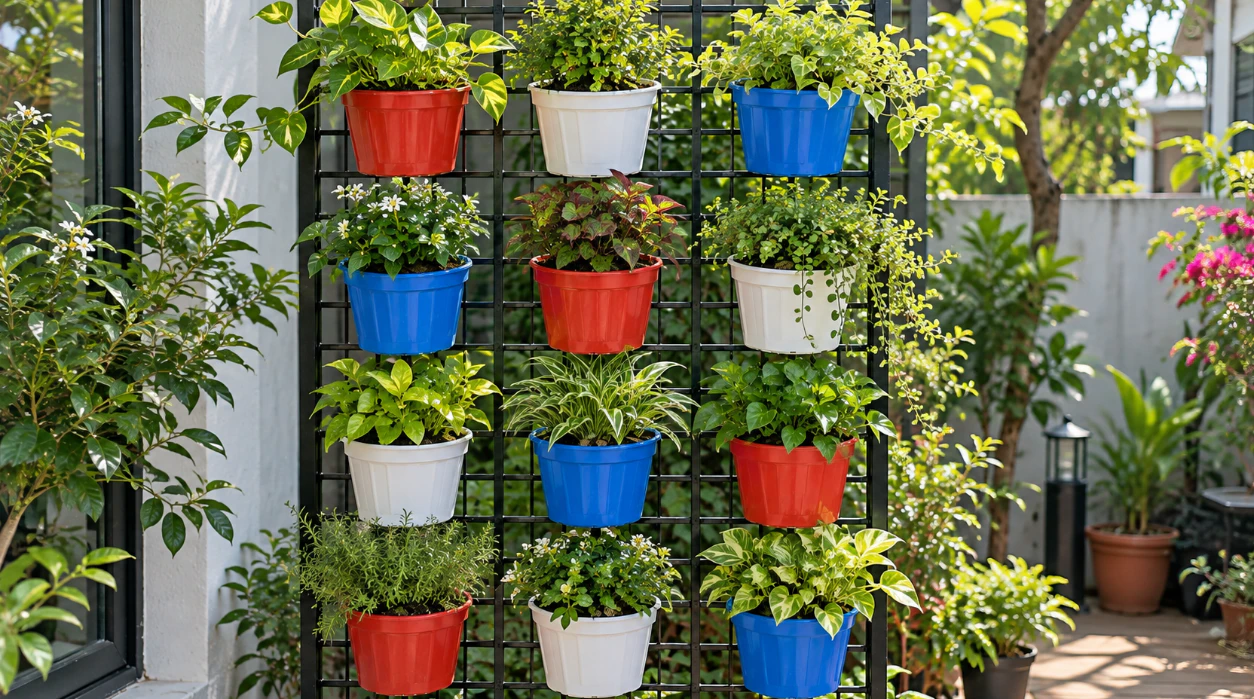
16 Vertical Herb Garden Ideas to Grow Fresh Flavors in Small Spaces
A small balcony, a narrow patio, or a single sunny window is enough to grow the herbs you actually cook with. The trick is to stop thinking about floor space and start looking up.
Below are 16 practical ideas, from quick DIY builds to tidy ready-made planters, along with which herbs suit each setup, how to pick the right one for your space, and how to keep it going once it’s planted.
What Is a Vertical Herb Garden?
A vertical herb garden is simply herbs grown up a surface instead of spread across the ground.
Some setups mount flat on a wall or fence. Others hang from a balcony railing or a ceiling hook, sit in a frame beside a window, or stand freely in a corner where there’s no wall to use.
None of it is tied to being outside, either. The same pocket planters, shelves, and tiered boxes that work on a patio or fence work indoors against a bright window, which is what makes this such a flexible option for a small-space herb garden.
Why Grow Herbs Vertically?
Before we jump into the ideas, why bother growing up instead of out?
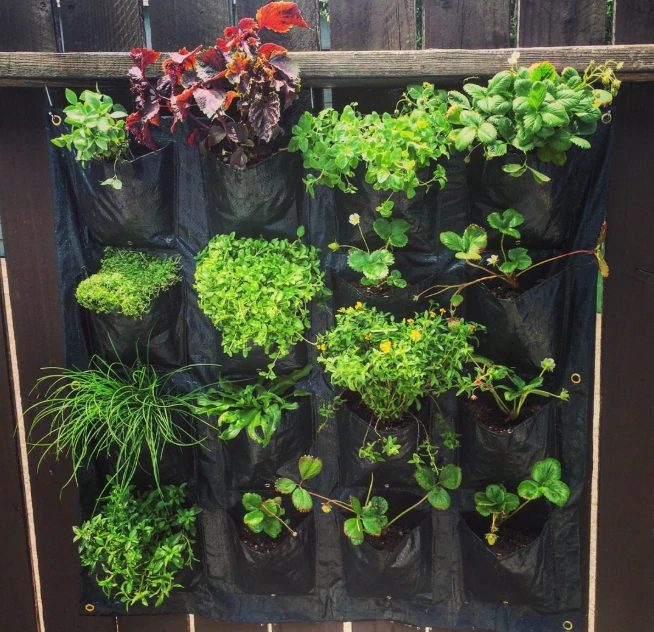
- It saves floor space. This is the big one. A vertical setup takes up almost no ground, which makes it a natural fit for balconies, patios, and small-space garden design.
- Herbs end up where you use them. Mount a planter by the kitchen door or window and you’ll actually snip fresh parsley mid-recipe instead of forgetting you own it.
- It looks good. A wall of green herbs is genuinely attractive, which matters when your garden is also your outdoor living room.
- Airflow can improve a little. Lifting plants off the ground and spacing them out can help air move around the foliage. It won’t prevent pests or disease on its own, but it’s a small point in favor.
Best Herbs for a Vertical Garden
Most culinary herbs can be grown vertically, but they don’t all want the same things. Matching the plant to the setup matters more here than in a garden bed, because pockets and shallow planters limit both root space and moisture.
| Herb | What it wants | Setups that suit it |
| Thyme, oregano, marjoram | Good drainage, copes with drying out | Pockets, living wall frames, gutters |
| Sage | Drainage and room to bush out | Pots on shelves, tiered boxes |
| Chives, parsley | Steady moisture, moderate root room | Window boxes, gutters, tiered planters |
| Basil, cilantro | Consistent moisture and warmth | Window boxes, tiered boxes, pots on shelves |
| Rosemary | Depth and sharp drainage | Deeper containers, not pockets |
| Mint | A container of its own | Single hanging pot or jar |
Light is the other half of the decision. Mediterranean herbs like rosemary, thyme, and oregano want the brightest position you can give them, while parsley, chives, and mint generally tolerate less.
Mint is the one to plan around. It spreads aggressively by runners and will crowd out anything sharing its soil, so keep it separate.
Related: A Beginner’s Guide to Using Trellises in Your Vegetable Garden
For more on which herbs sit happily side by side, see our guide to herbs that grow well together.
16 Inspiring Vertical Herb Garden Ideas
Ready to find the perfect setup for your space? Let’s explore some options.
1. The Classic Wall Pocket Planter
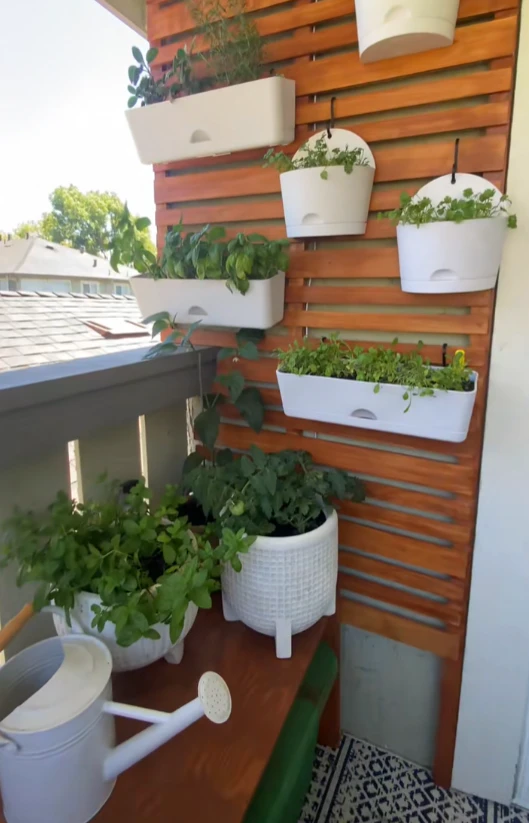
Fabric or plastic pockets that hang flat against a wall or fence. They’re cheap, widely available, and about as close to instant as vertical gardening gets.
Best for balconies and fences with a sunny aspect. Shallow-rooted herbs like thyme, oregano, chives, and parsley do well in the small pockets.
Keep in mind that fabric dries out quickly, and water runs straight through. If it’s hanging above a neighbor’s balcony, put something underneath to catch the drips.
2. Stacked Terracotta Pots
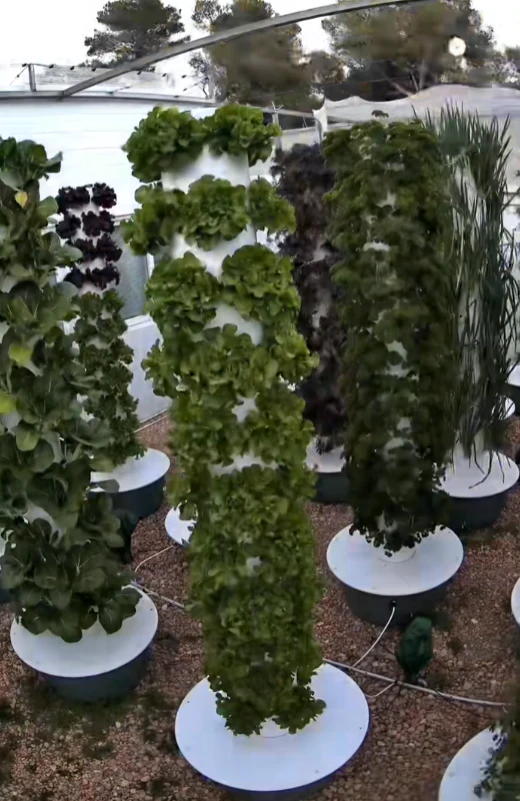
Pots of decreasing size threaded onto a central rod, planted through the gaps to create an herb tower. Charming, freestanding, and easy to move to a sunnier corner.
Good herbs for this: thyme, oregano, marjoram, and other compact types that don’t need deep roots.
Terracotta breathes, which is lovely in theory and means faster drying in practice. The top pot will always dry first.
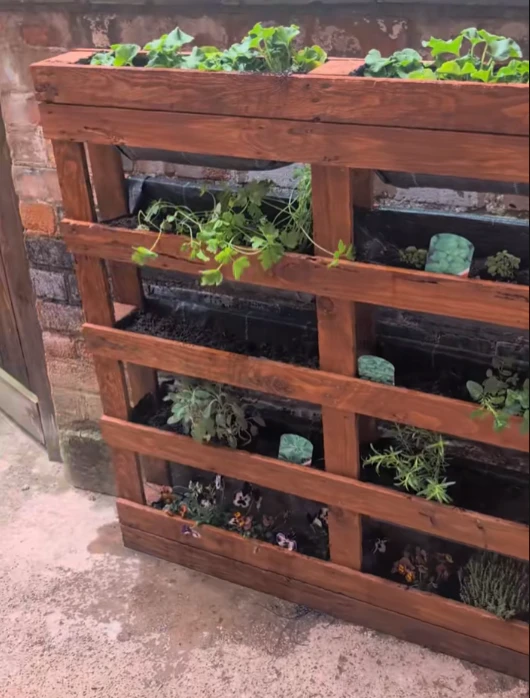
3. Upcycled Pallet Garden
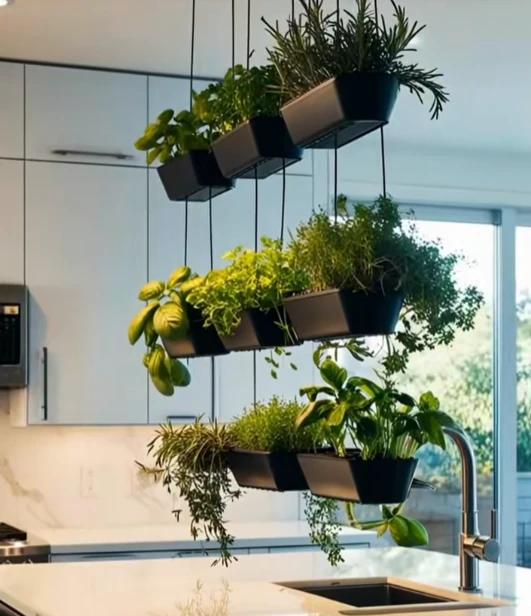
Stand a pallet upright, staple landscape fabric behind the slats to form pockets, fill with potting mix, and plant. It’s the classic budget DIY vertical herb garden.
Best outdoors against a fence or garage wall where its weight isn’t a problem. Parsley, chives, thyme, and oregano all suit the shallow pockets.
Use a heat-treated pallet, marked with an HT stamp, rather than a chemically treated one. It also helps to plant it flat and leave it lying down for a couple of weeks so roots take hold before you stand it up.
4. Gutters on the Wall

Lengths of rain guttering mounted horizontally make shallow, linear planters. They suit long blank walls and fence panels, and several rows look surprisingly smart.
Chives, thyme, oregano, and parsley are the sensible picks here, since the soil depth is limited.
Drill drainage holes before you mount them, and think about where the water goes. A slight slope with the runoff directed away from the wall saves you problems later.
5. Mason Jar Window Garden
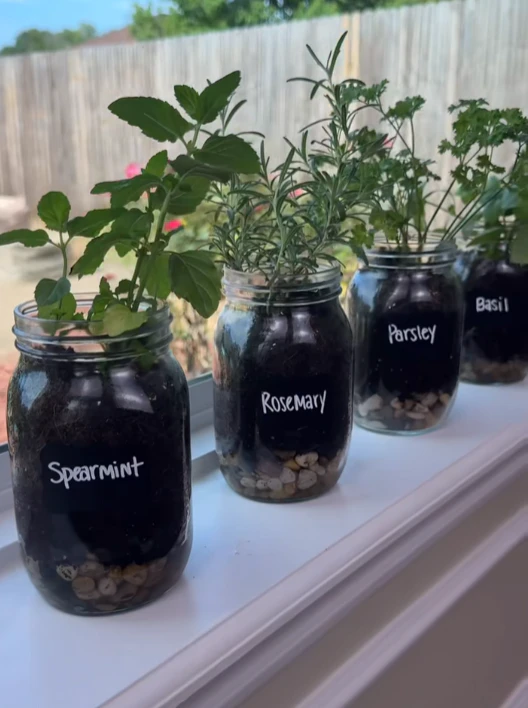
Jars held in hose clamps on a mounted board, lined up along a bright kitchen window. It looks lovely and costs very little.
Jars don’t have drainage holes, which is the catch. Water collects at the bottom and roots sit in it, so this works better for rooting cuttings or for a carefully watered short-term display than as a long-term home for most herbs. Basil and mint both root readily in water, which makes them natural candidates. If growing in water appeals, there’s more on the approach in our guide to growing herbs without soil.
6. A Leaning Ladder Shelf
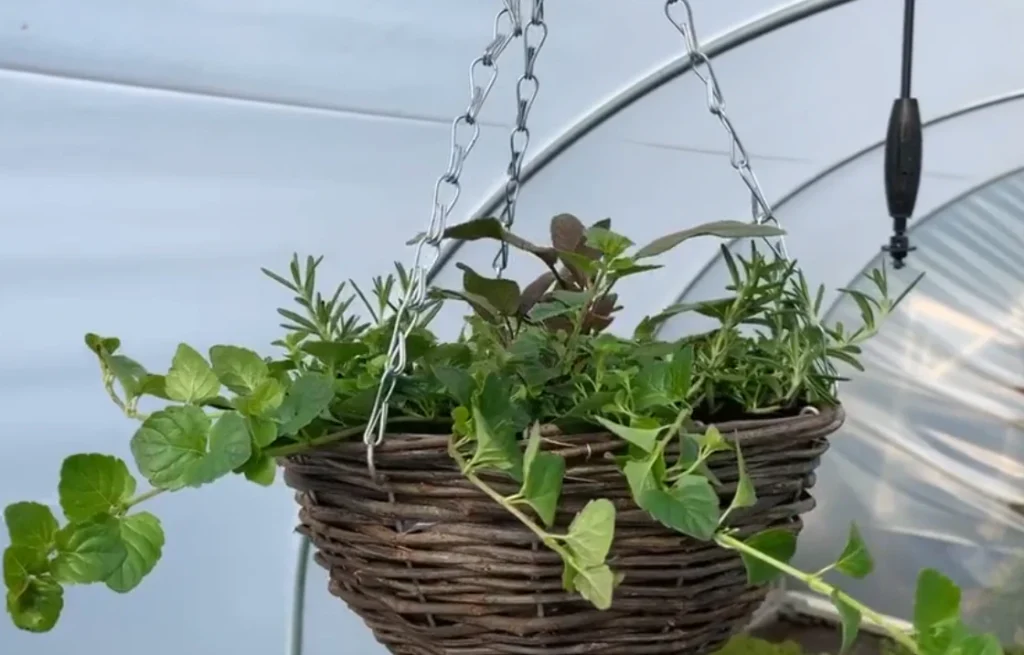
An old wooden ladder or a decorative ladder shelf, with a pot or two on each rung. This one is more about display than squeezing in maximum plants.
Because each rung holds an ordinary pot, you can grow anything you like, including larger herbs like rosemary and sage that struggle in pockets.
Use trays under the pots, and secure the ladder if it’s somewhere windy or where children and pets pass by.
7. Hanging Shoe Organizer Garden
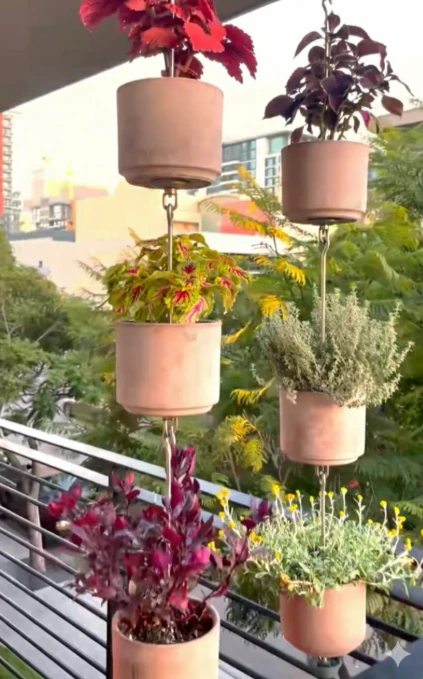
The over-the-door canvas kind with rows of pockets. Cheap, quick, and genuinely effective for small herbs.
Best on a sheltered balcony railing, fence, or door. Chives, parsley, and thyme fit the pocket size well.
Small pockets dry out fast, so check them more often than you would a pot. Wet canvas is also heavy, so make sure whatever it’s hanging from can take the load.
8. DIY Tin Can Wall
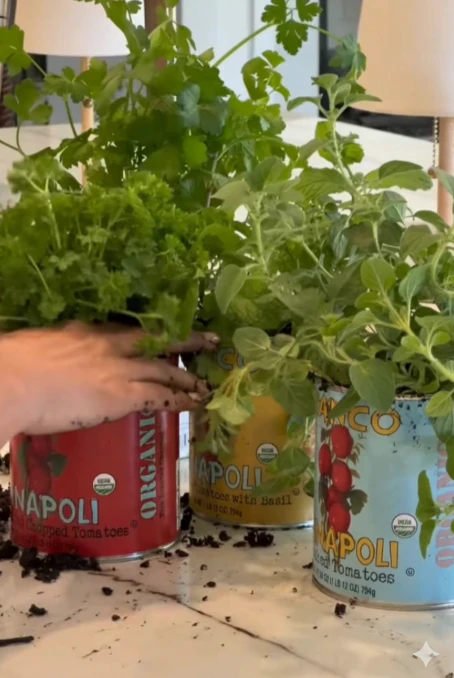
Collect cans, paint them, drill drainage holes, and mount them on a board or straight onto a fence. Cheerful, nearly free, and easy to expand.
Small herbs work best given the limited soil. Metal heats up in strong sun, so lighter paint colors and a spot with some afternoon shade will make life easier for the roots.
9. Tiered Planter Boxes
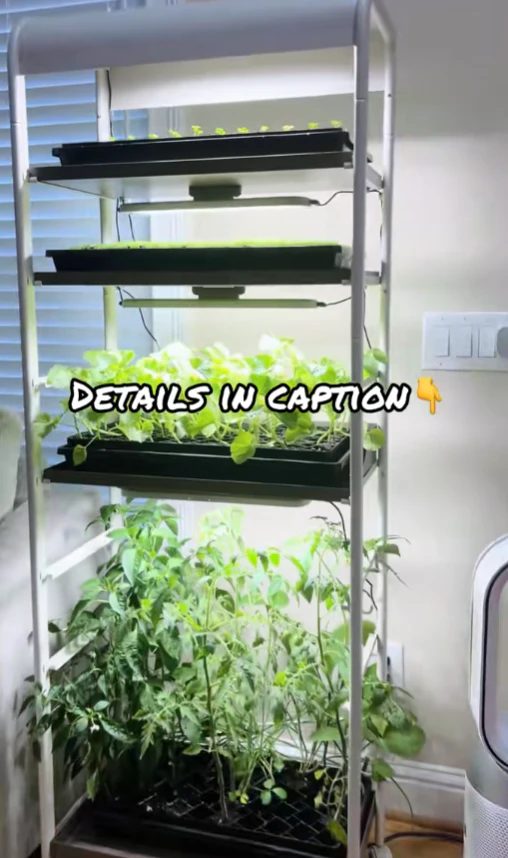
Pre-made kits with several planter boxes stacked on a frame. They hold considerably more soil than pockets, which opens up the bigger herbs.
Rosemary, basil, sage, and full-sized parsley all have room here. Good for patios and balconies where you want a proper harvest rather than a garnish.
Filled and watered, these get heavy. Check your balcony’s weight limit before committing to a large one.
10. Trellis with Hanging Pots
Fix a wooden or metal trellis to a wall, then hang small pots from it with S-hooks. The appeal is flexibility: you can rearrange, swap pots seasonally, or take the whole thing with you when you move.
Any herb that fits a small pot works. Anchor the trellis properly into masonry or studs, since a row of watered pots weighs more than the bare frame suggests.
The same trellis setup does good work for climbing vegetables too, which is covered in
11. Living Wall Frame
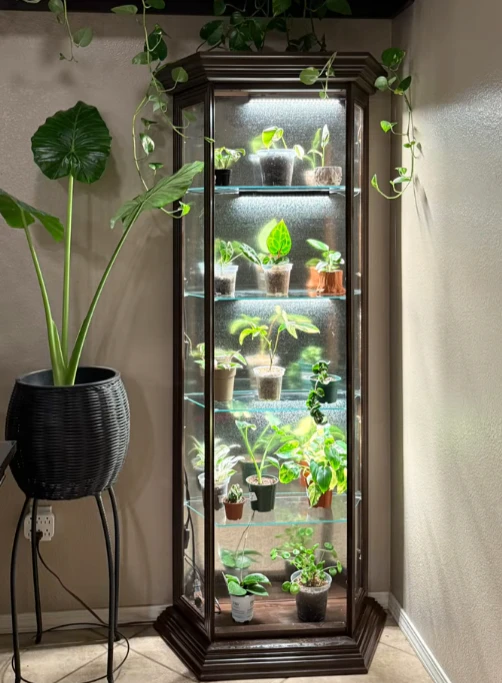
A framed planting panel that hangs like a picture. Best indoors or on a sheltered patio, out of harsh weather.
Shallow soil held vertically means the plants need to be tough and small. Thyme, oregano, and marjoram are better bets than thirsty herbs like basil.
Watering is the hard part with these, so plan for it before you mount one over your sofa.
12. Concrete Block Tower
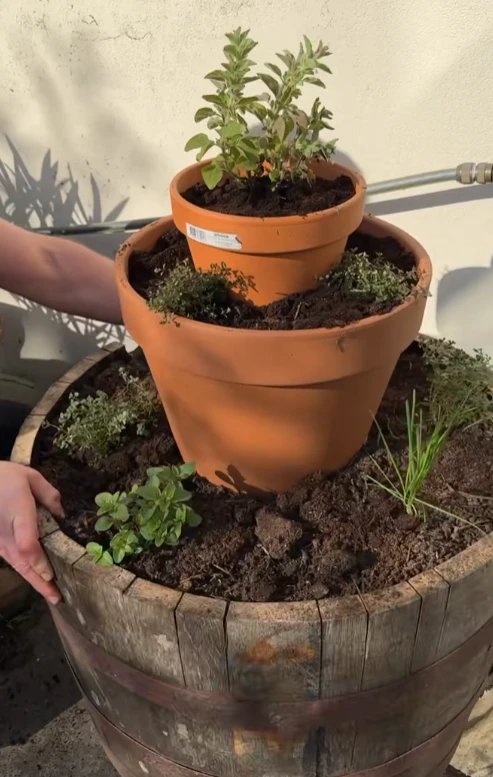
Stack blocks so the open cells face outward, then fill them with potting mix and plant. The look is modern, especially painted, and it’s sturdy in wind.
Thyme, oregano, and sage suit the cell size. Once built it’s heavy and effectively permanent, so stack it carefully on level ground and check it’s stable before you fill it.
13. Hanging Basket Tiers
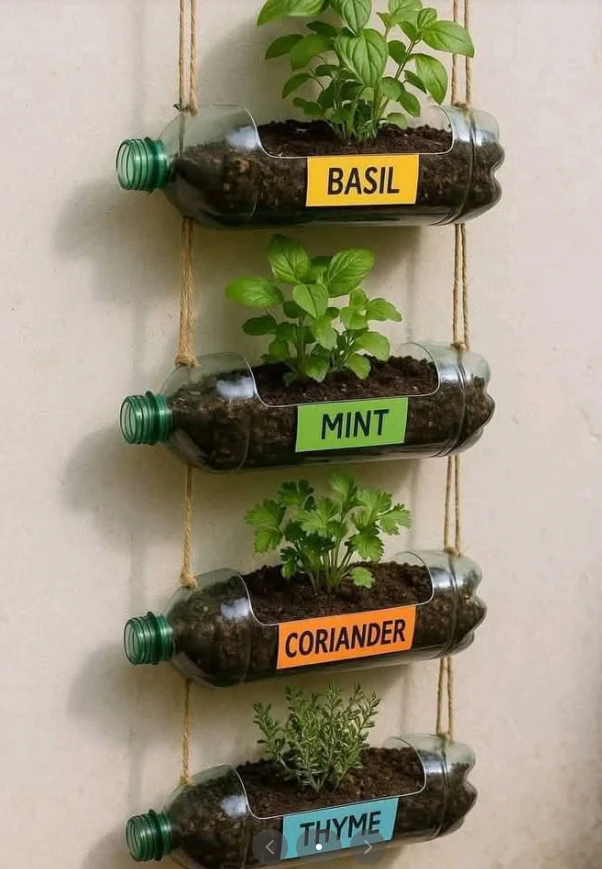
Baskets hung one below another from a sturdy S-hook system, under a balcony ceiling, pergola, or porch beam.
Trailing herbs make the most of this. Creeping thyme, prostrate rosemary, and oregano spill over the edges nicely.
Hanging baskets catch the wind and dry out faster than pots at ground level, so check them more often, and make sure the hook and fixing can handle the wet weight.
14. Window Box Shelves
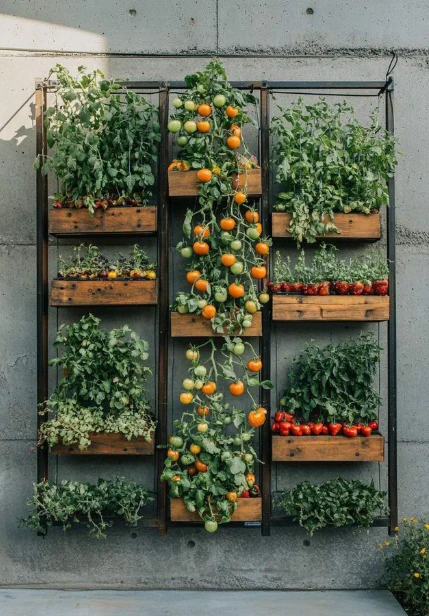
Several window boxes mounted at different heights on sturdy brackets. You get proper soil depth and a classic look, and they suit almost any outdoor wall.
Because the soil volume is decent, you can plant a wide range: basil, parsley, chives, thyme, and more.
Mount them into something solid. A full window box is heavier than it looks.
15. Repurposed Shutter Planter
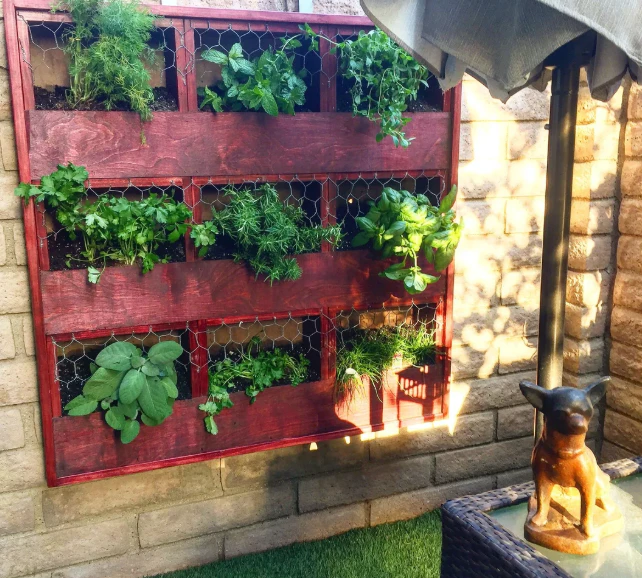
Find an old wooden shutter with adjustable louvers. Mount it vertically, create small pockets behind the louvers with landscape fabric, and plant small herbs. It adds fantastic vintage charm.
16. Bookshelf Herb Garden
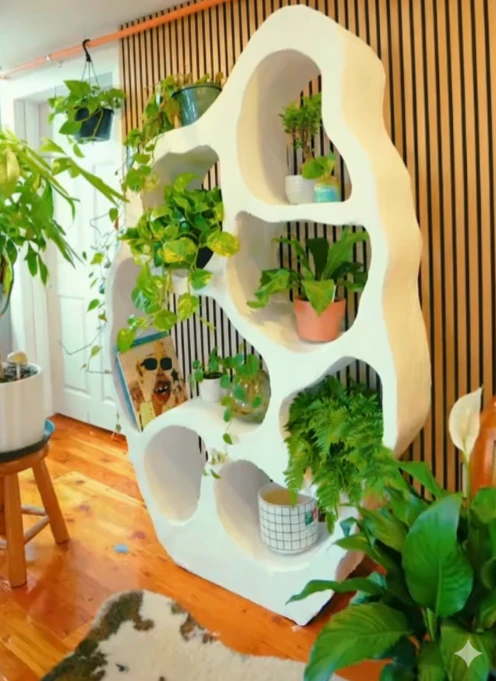
A narrow, open-backed bookshelf against a sunny wall, indoors or on a covered porch. Instant tiered growing with no building required.
Any potted herb works. Use trays to protect the shelves from moisture, and be honest about indoor light. Unless the window is genuinely bright, you’ll likely need a grow light to keep herbs compact rather than leggy.
(How to Choose the Right Vertical Herb Garden
Sixteen options is a lot to weigh up. Four things narrow it down quickly.
Available Space
Look at what you actually have before you shop. A blank wall suits pocket planters, gutters, and mounted boxes. A railing suits hanging systems. A bright windowsill suits jars and small frames. If you can’t drill, a freestanding tower, ladder shelf, or bookshelf gives you height without touching the wall, which is often the deciding factor for renters.
Light
Pick the spot first, then the setup. A south-facing wall opens up the full herb list, while a shaded corner limits you to the more tolerant leafy herbs or means adding a grow light indoors.
Watering Access
Anything mounted high or built from small pockets is harder to water, and a planter you need a step stool to reach is one you’ll neglect. Keep it within comfortable reach, or plan for drip irrigation from the start.
Weight and Stability
Wet soil is heavy. Fix wall-mounted planters into masonry or studs rather than plasterboard, check that a railing can take a loaded planter, and mind your balcony’s weight limit if you’re building up a collection.
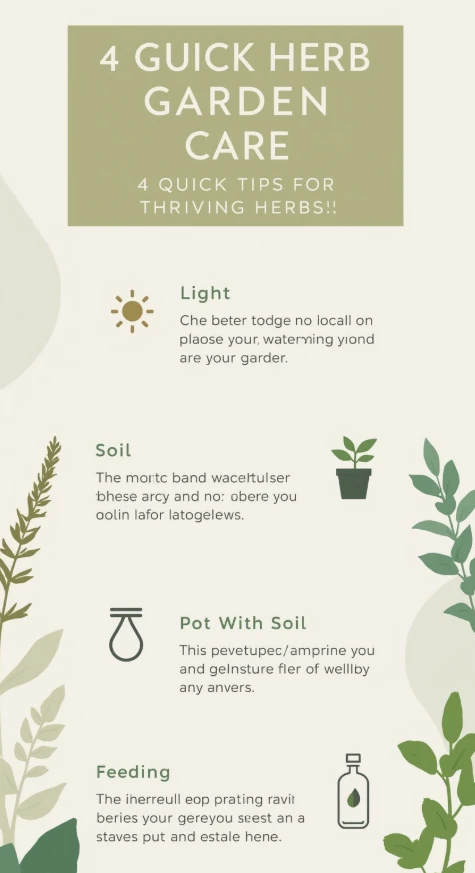
- Light is Still King: Most herbs need at least 6 hours of sun. Position your vertical garden in the sunniest spot possible, or supplement with grow lights if growing indoors.
- Watering Wisely: Vertical gardens, especially those with small pockets or fabric containers, tend to dry out much faster than pots on the ground. Check moisture daily and water thoroughly when needed. Drip irrigation can be a lifesaver here.
- Choose the Right Soil: Use a high-quality, lightweight potting mix, not heavy garden soil. Good drainage is crucial. Our DIY potting mix recipe works great.
- Feed Regularly: Because you’re watering frequently, nutrients wash out faster. Feed your herbs with a diluted liquid fertilizer every 2-4 weeks during the growing season.
How to Care for a Vertical Herb Garden
Light
Many culinary herbs do best with several hours of direct sun a day, though requirements vary by herb, and some leafy types tolerate less. Put your vertical garden in the brightest spot you have. Indoors, a grow light makes a real difference through winter.
Watering
Small pockets, fabric planters, and hanging baskets dry out much faster than larger containers, so they need checking more often. Feel the soil rather than guessing, and water until it runs from the bottom. Upper containers usually dry before lower ones.
Potting Mix
Use a good lightweight potting mix. Garden soil is too heavy and drains poorly in containers, and weight matters when it’s hanging on a wall.
Feeding
Frequent watering washes nutrients out of small containers, so herbs in vertical setups usually need feeding during the growing season. Follow the label rate on whatever fertilizer you’re using and adjust to how the plants are actually growing rather than sticking to a fixed schedule.
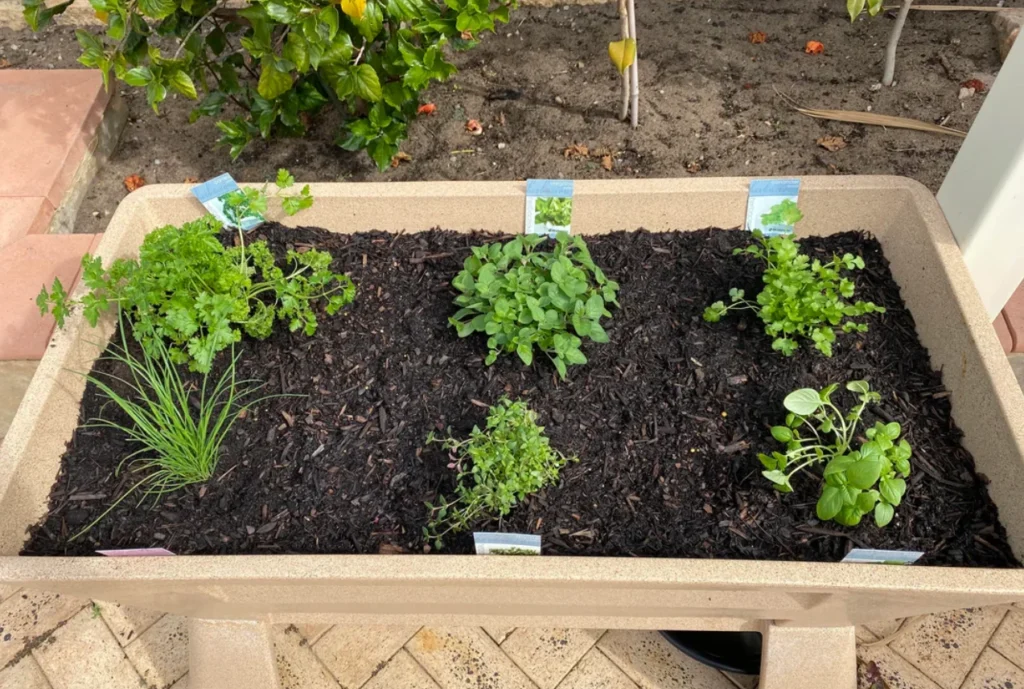
You don’t need ground space to grow herbs worth cooking with. Walls, fences, railings, and windows all have room going spare, and most of the ideas here cost very little to try.
Start with one setup that matches the light and the space you’ve actually got, plant two or three herbs you’ll genuinely use, and expand from there once you’ve seen how quickly it dries out


