How to Grow Sweet Potatoes at Home: Easy Step-by-Step Guide for a Bountiful Harvest
Cultivating sweet potatoes yourself can prove a rewarding experience, given that it will provide you with a plentiful supply of healthy sweet potatoes right from your garden. If you follow simple steps and take proper care, you can enjoy a successful growth of sweet potatoes. This guide will take you through the simple steps of cultivating sweet potatoes at home. Through the aforementioned steps on how to grow sweet potatoes, you can enjoy an abundant supply.
Key Takeaways
- Learn the fundamentals of home sweet potato cultivation.
- Recognize the role of soil preparation.
- Learn how you can easily nurture a thriving yield.
- Discover how to take care of your sweet potato plants.
- Enjoy a Bountiful Harvest with Our Easy Guide.
Comprehending Sweet Potatoes: Types & Nutritional Values
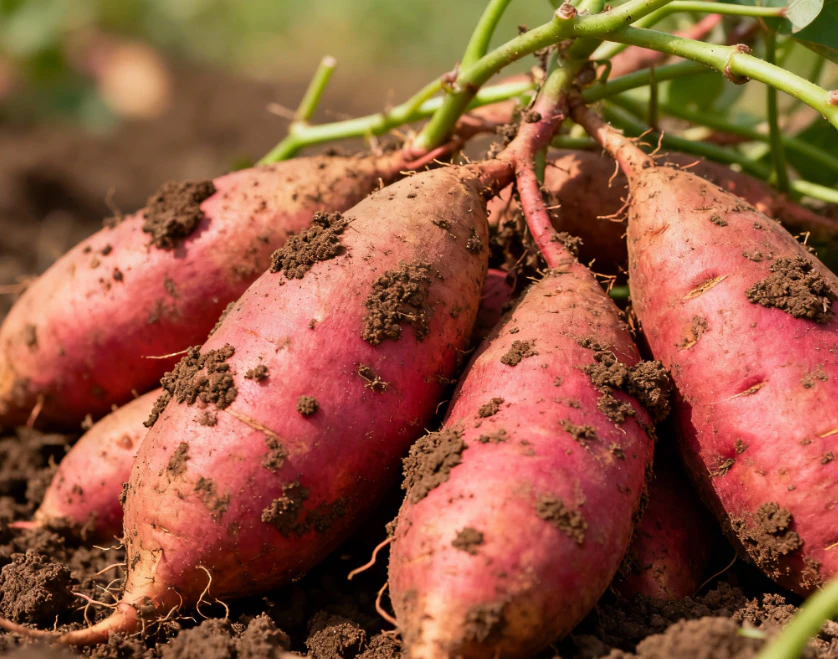
Cultivating sweet potatoes can be an exciting endeavor, given the varieties available as well as the health benefits. Sweet potatoes offer immense nutritional benefits. The vegetable grows in the form of roots. However, there are not as many varieties of sweet potatoes as there are of potatoes.
Common Sweet Potato Varieties Suitable for Backyard Gardening
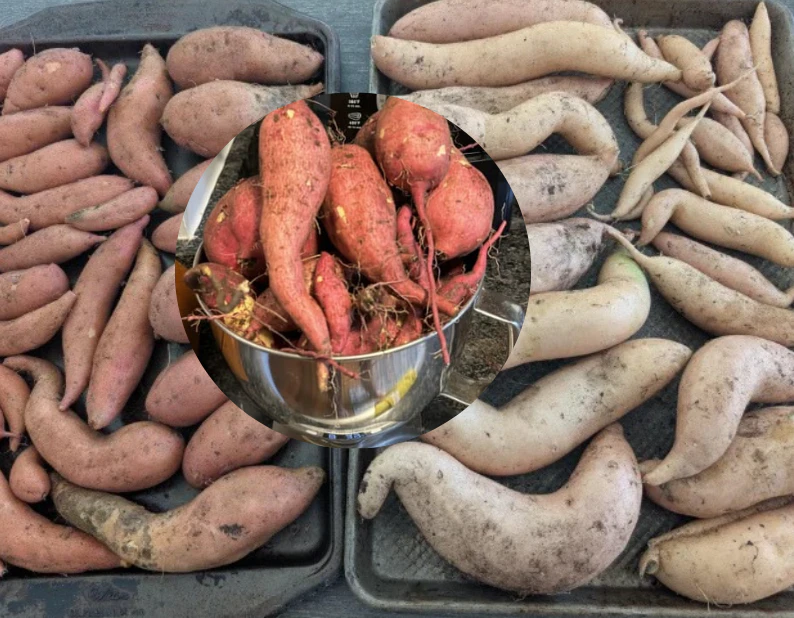
Some of the most popular sweet potato varieties for home gardens include:
- Beauregard: High-yielding variety with disease resistance.
- Covington: A popular choice for its sweet flavor and high production.
- Jewel: Provides a deep orange color and strong nutritional values. The varieties chosen are known for their flavor, nutritional benefits, as well as simplicity in cultivation.
Nutritional Powerhouse: Why Grow Your Own?
Homegrown sweet potatoes are not only delicious but also packed with nutrients. They are an excellent source of:
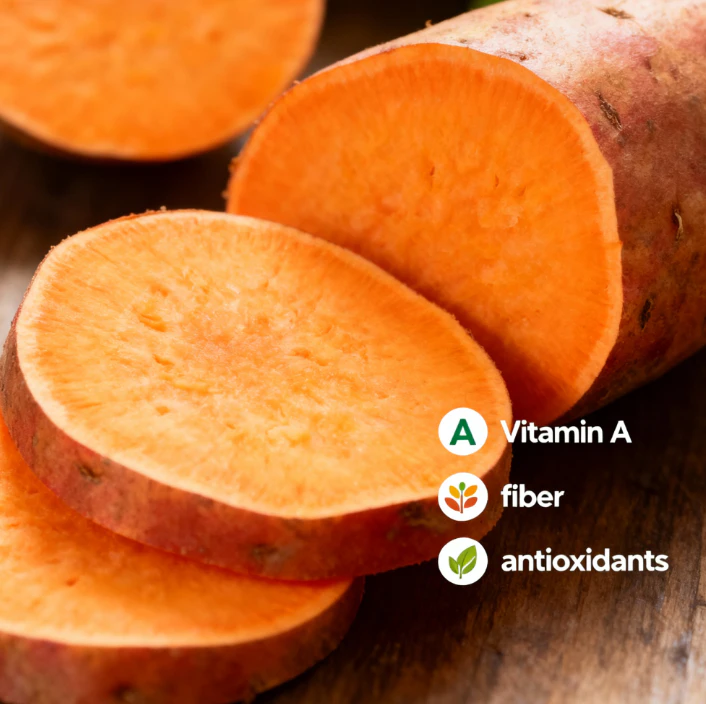
- Vitamin A: It plays an important role in vision, immunity, skin, & more.
- Fiber: It functions by supporting healthy digestion.
- Antioxidants: Provide protection from oxidative stress and inflammation. Through home garden cultivation of sweet potatoes, you will be able to enjoy the nutritional value of the food while still being able to control how it is grown.
Best Fertilizer for Sweet Potatoes
Sweet potatoes don’t need heavy feeding, but the right fertilizer at the right time makes a big difference in tuber formation.
The best fertilizer for sweet potatoes is a low-nitrogen fertilizer that supports root and tuber growth rather than excessive leaves.
Fertilizer tips:
- Avoid high-nitrogen fertilizers
- Use balanced or organic fertilizer
- Apply lightly during early growth
Proper fertilization helps produce larger, healthier sweet potatoes.
Getting Started: What You’ll Need
The key to a rich sweet potato yield begins with the right tools and environment. To begin, there are a few tools you will need.
Basic Tools & Materials
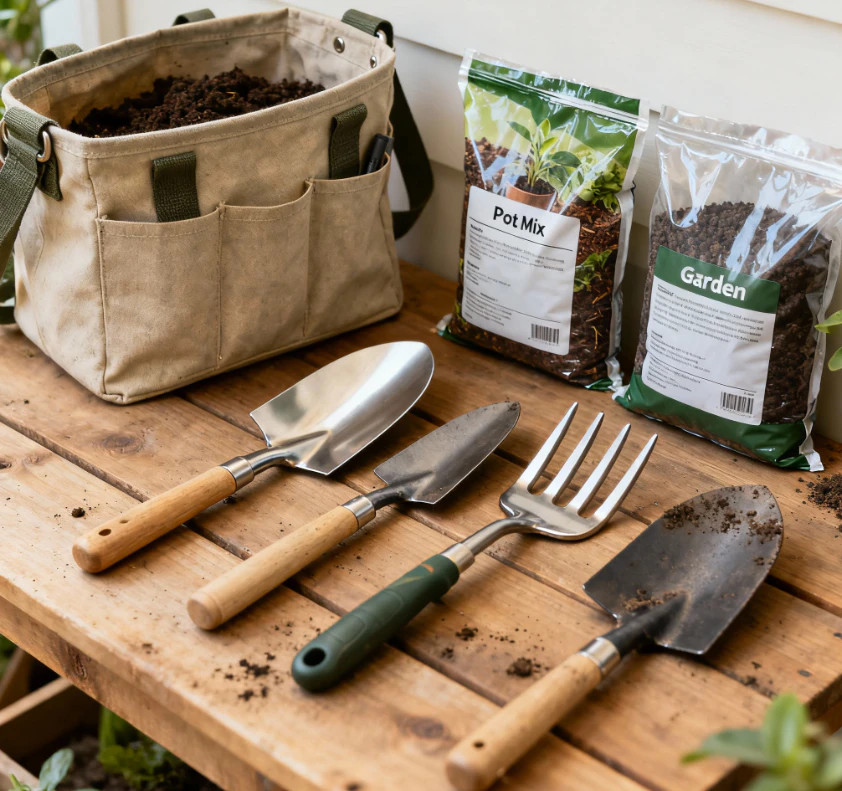
A shovel or spade will be required for planting, a garden fork will be used for harvesting, while a hoe will be used for weeding. Moreover, it will also be necessary to use a well-draining potting mix or soil amendment. Best potential Tool
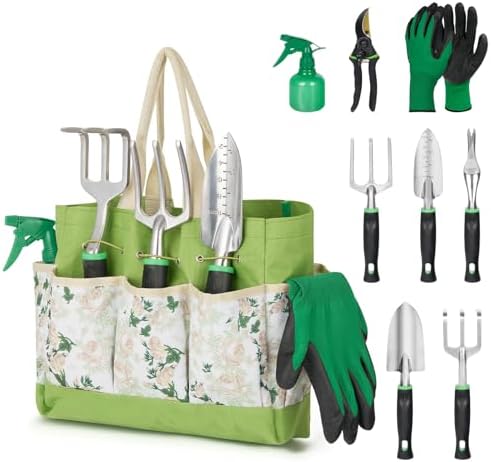
- 【All-in-One Gardening Set】Covering every step of gardening like digging, pruning, watering, harvesting, Our practical ga…
- 【Women Friendly Design】Ultra-lightweight gardening hand tools with non-slip ergonomic handles absorb shock and reduce wr…
- 【Effortless and Efficient】High-carbon steel pruner blades stay sharp for clean cuts (no crushed stems!), while serrated …
Picking the Right Planting Site
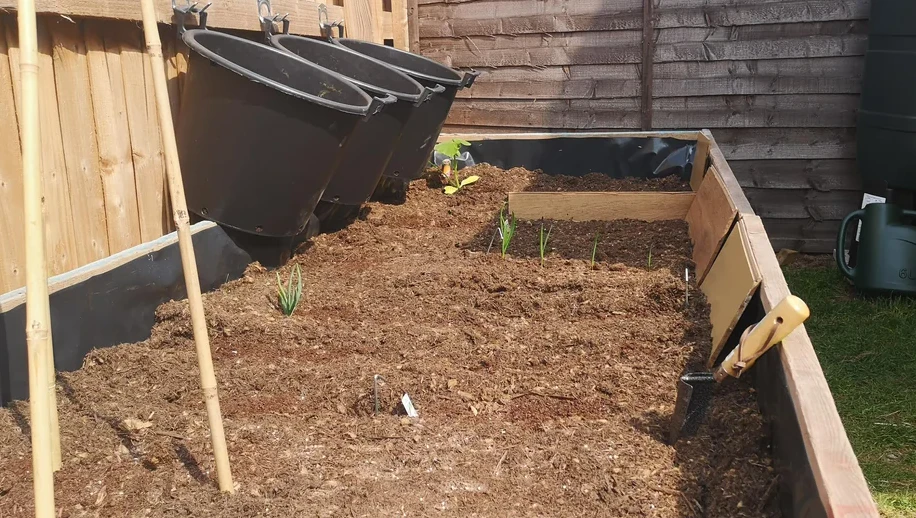
Picking the right site is important. Sweet potatoes need full sun and well-drained soils. Do not plant sweet potatoes near sites where water accumulates. Understanding your garden’s sun exposure is crucial, a topic we cover in avoiding to Beginner Mistakes
Sweet Potato Growing Calendar
You can use a calendar of sweet potato production to plan and monitor your progress. The calendar will help you remember important events like planting, fertilizing, and harvesting.
Planting Sweet Potatoes: Roots vs. Slips
Selecting healthy planting material is essential. For a rich yield of sweet potatoes, it is essential that you plant healthy slips. Sweet potato slips can be considered as the sprouts that develop from the mature sweet potatoes. They serve an important role in the planting of sweet potatoes.
What Are Sweet Potato Slips?
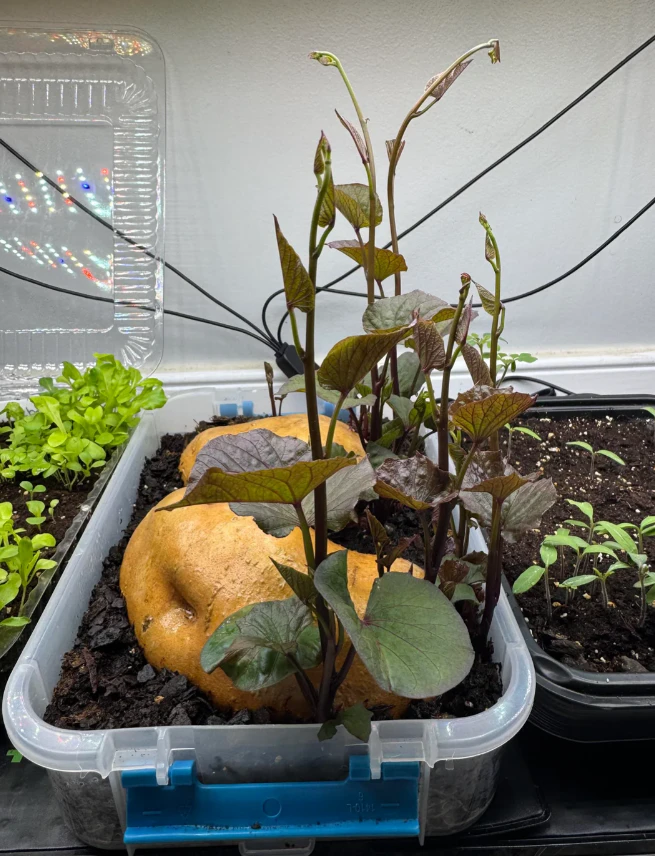
Sweet potato slips refer to the vines or sprouts that develop from a mature sweet potato tuber. The slips will be used for planting purposes. They will develop into sweet potato plants. The slips can be grown by an individual or acquired from a supplier.
How to Create Your Own Slips at Home
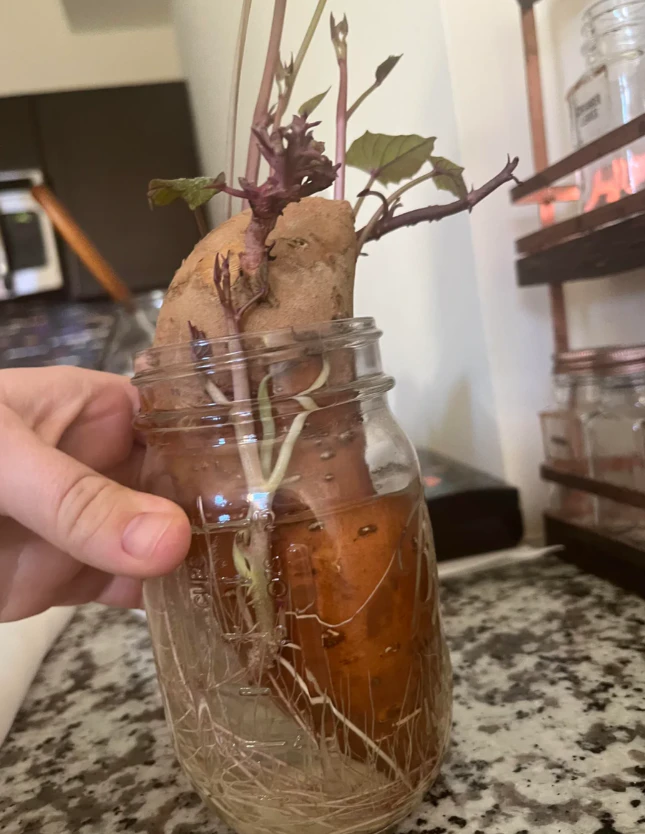
The best method of getting sweet potatoes is by making your own sweet potato slips. This can be achieved by following a few simple steps. You will need a few healthy sweet potatoes. You will submerge them partially in a tub of water. The tub will be placed in a location with plenty of sunlight. Soon, you will notice that sweet potato slips will begin developing. After a few weeks, you will be able to use the slips.
Buying Quality Slips
If this is not an option, high-quality slips can be bought from a nursery or an online retailer. If purchasing slips, ensure that they appear firm, green, and healthy. There should not be visible disease.
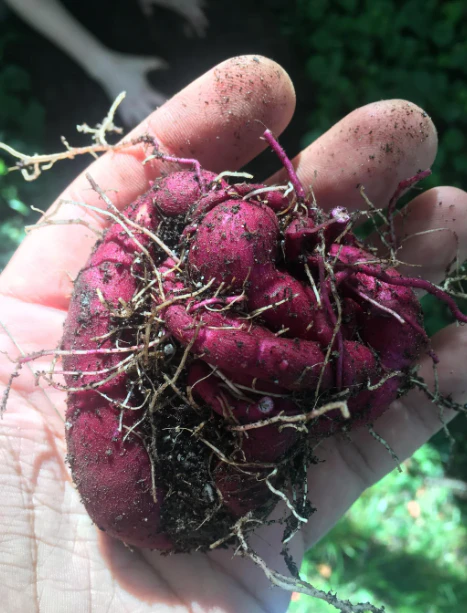
Indicators of Healthy Slips Healthy sweet potato slips should have:
- Green, vibrant leaves
- A sturdy stem
- No signs of wilting or yellowing
- Roots that are well-developed if they’ve been pre-rooted Choosing or establishing healthy slips will give your sweet potato production the best chance of success.
Soil Preparation & Needs
Soil preparation is an important task in successfully growing sweet potatoes. Sweet potatoes require well-drained, loose soils that are rich in organic matter. Learning Here to Soil Improvement is key.
Recommended Sweet Potato Soil Composition
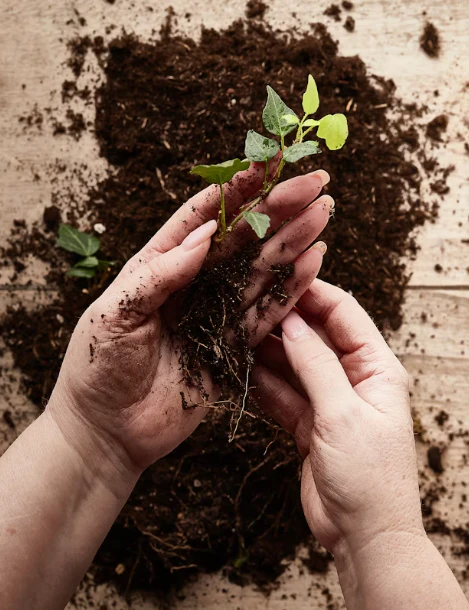
The best type of soil for sweet potatoes is sandy loam. This drains well and allows proper aeration. The soil will not drain well if it is clay. The pH level of the soil must come between 5.5 and 6.5.
Testing and Amending Your Soil: Prior to planting, it is important that you perform a pre-planting test on your soil. The information gained will help you understand the pH levels and nutrient contents of the soil. If there is a need, you can then add fertilizers or lime.
Raised Beds vs. In-Ground Planting
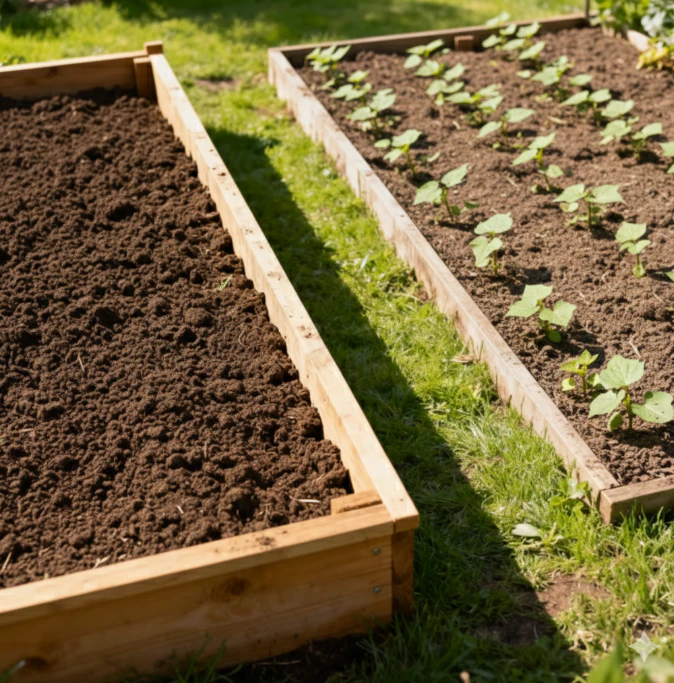
The first advantage of raising beds is that they provide good drainage and warmer soil. Sweet potatoes can grow well in ground plantings if you have well-drained soils. The following are points to consider in making a decision:
- Waterlogged soils can be prevented by using raised beds
- Planting on ground can sometimes be economical.
- The ground in contained gardens gets warmed up earlier.
How to Grow Sweet Potatoes: The Planting Process
Growing sweet potatoes requires understanding the steps. For a sweet potato beginner, it is very important that you understand the planting process. There are various important steps which will help you ensure that your sweet potatoes develop successfully.
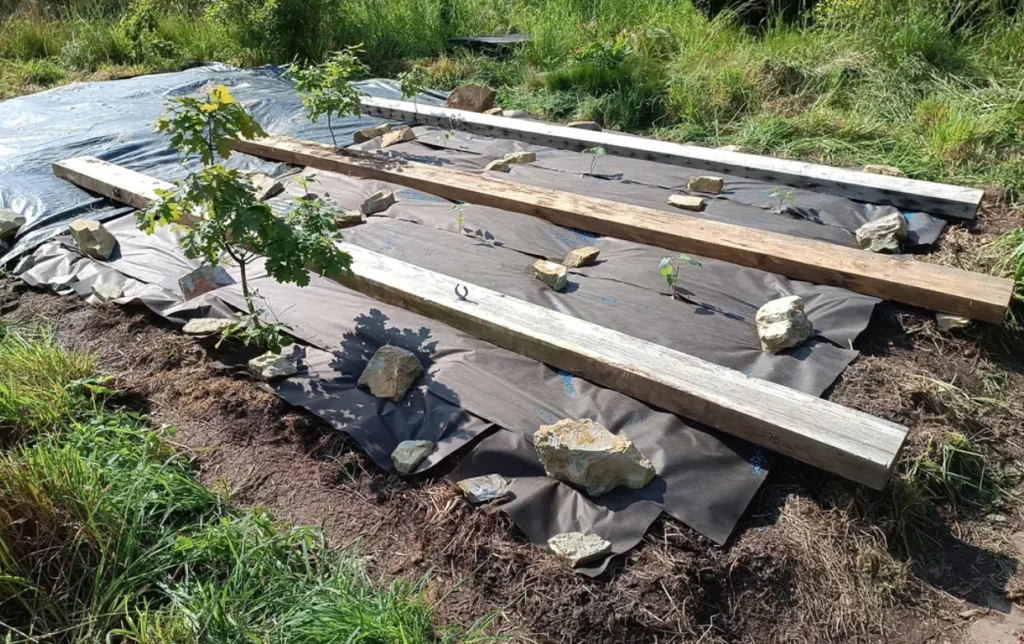
Best Time to Plant Sweet Potatoes
The ideal time to plant sweet potatoes is when the soil reaches a temperature of at least 65°F (18°C), which is during late spring or early summer. Planting sweet potatoes during the right time of the year is of great importance since they can grow effectively only in a warm environment. If you live in an area with a longer period of cultivation, it is also possible to plant sweet potatoes during late summer.
Proper Spacing and Planting Depth
While planting sweet potato slips, it is always important to ensure proper spacing of the slips. This requires that the slips be spaced from 12 to 18 inches apart while the rows are from 3 to 4 feet apart. The depth of planting is from 4 to 6 inches, with the leaves visible above the ground.
Planting in Containers vs. Garden Beds
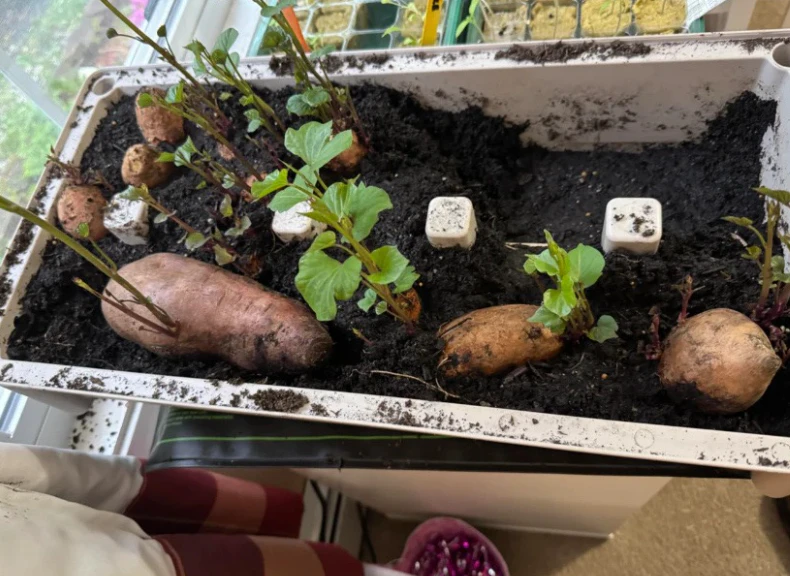
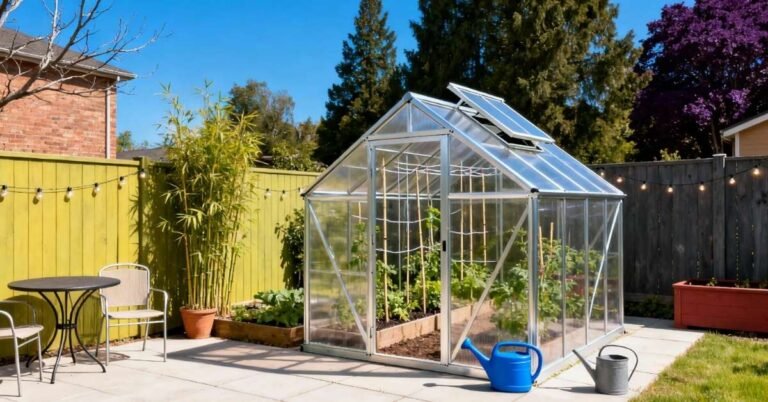
Sweet potatoes can be cultivated both in pots as well as in garden soils. Gardening in pots is ideal where space is a constraint, while garden soils provide more space. While planting in pots, it is important to ensure that they are of a depth of not less than 12 inches. This aligns with principles from our Container Gardening article.
Container Size and Preparation
For container gardening, use a container that drains well and is of adequate depth. The container is then filled with a combination of compost and well-draining soils. This is fundamental in promoting root growth. Follow these steps below to ensure you can enjoy a successful harvest of sweet potatoes. No matter which method you decide on, with the right techniques, a garden can be a thriving success.
Watering and Irrigation Methods
Effective watering practices are key to successfully reaping a sweet potato crop. Sweet potatoes will require different amounts of water throughout their growth stages.
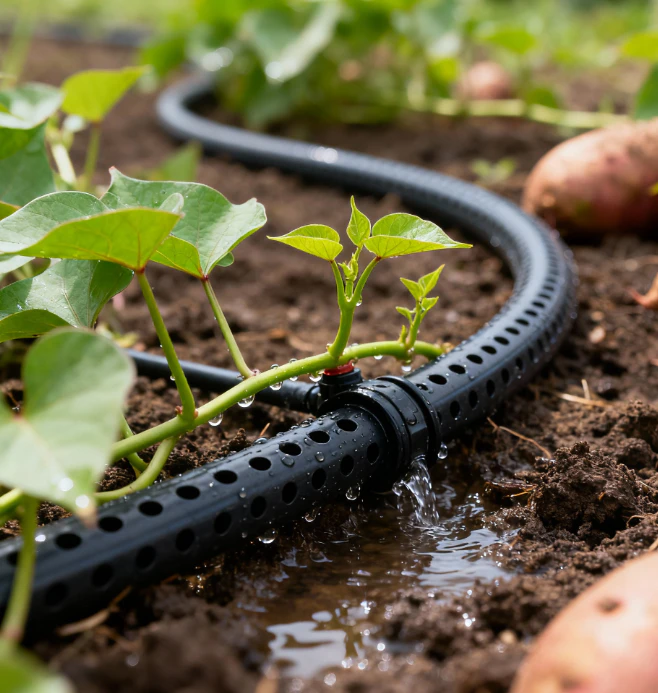
Water Requirements Through Maturity Stages: In the earlier stages, sweet potatoes need adequate watering. As the plants develop, the watering requirement will also vary. The following are the stages of growth of sweet potato plants along with watering requirements:

- Premium Quality & Durable: Our flat soaker hose includes pressure-relief gaskets at connections, reducing water pressure…
- Easy to Use: Our garden soaker hose, compatible with standard 3/4″ threads, effortlessly connects to faucets or other ho…
- Water Saving & Efficiency: Our soaker hose ensures even water distribution, meeting plant water needs efficiently. With …
- Initial stage requires maintaining the soil moist.
- Growth Stage: Keep it moist, particularly in hot or dry weather.
- Maturation Stage: Water modulation should be reduced to avoid rot.
Effective Irrigation Systems
A good irrigation system will help ensure that your sweet potatoes get adequate watering. Drip or soaker hose irrigation will help conserve water by reducing runoff.
Indicators of Watering Issues
It is always important to determine how both underwatered and underwatered plants look so that you can schedule watering sessions. Underwatered plants can develop stress, while underwatered plants can develop rot.
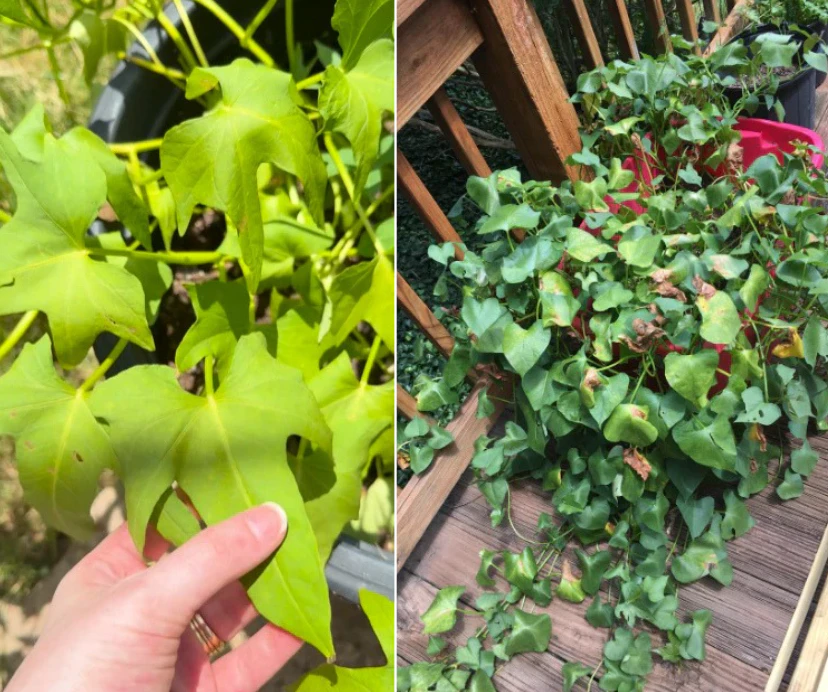
- Overwatering Signs: Yellowing leaves, soft spots on tubers.
- Water deficiency Signs: Dropped leaves, stunted growth.
Fertilizing and Feeding Your Sweet Potatoes: Using the right fertilization practice can make all the difference in the quality of your sweet potato crop. Fertilization is an important element in encouraging healthy growth.
Organic Versus Synthetic Fertilizers Available
For fertilizing sweet potatoes, farmers can use either natural fertilizers or synthetic fertilizers. Natural fertilizers like compost or animal manure will release nutrients slowly. They will help increase the structure of the soil by encouraging beneficial microorganisms. Synthetic fertilizers will provide quick release of nutrients. However, they can act as harmful substances in the soil if applied excessively.
Fertilization Schedule and Techniques
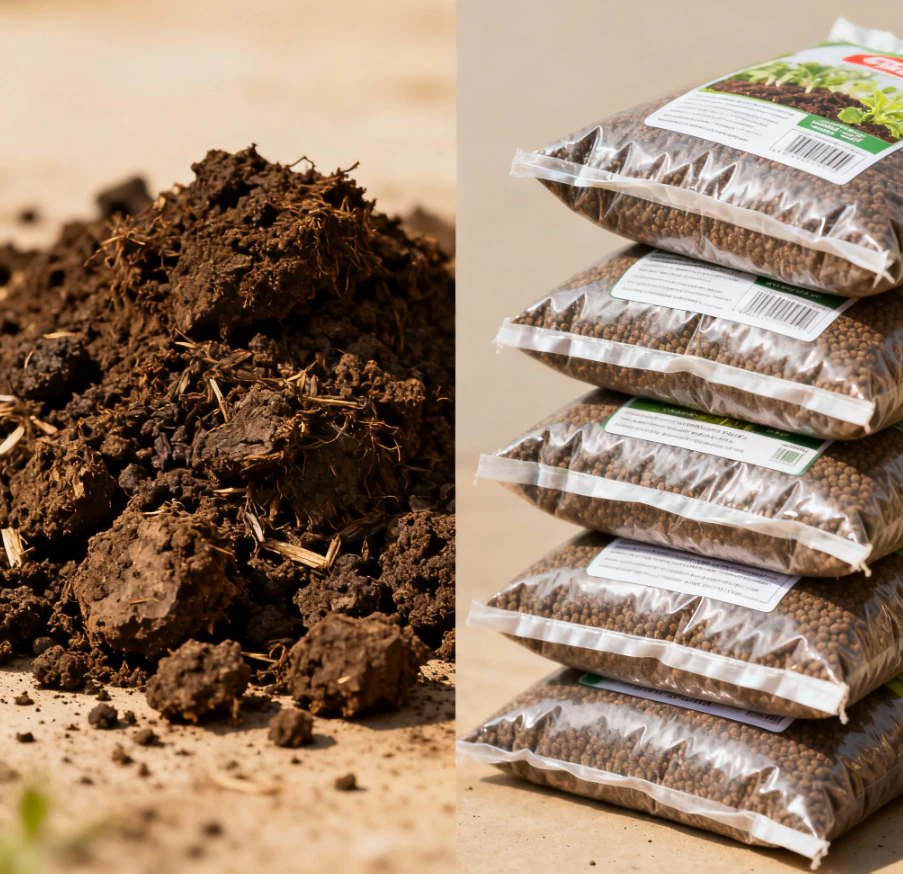
An effective fertilization program plays a critical role in enabling optimal growth of sweet potatoes. The first fertilization is normally done upon planting, followed by other fertilizations done during the growth period. It is important to fertilize according to the amounts advised. For sweet potatoes, fertilization can be done using agricultural fertilizers.
Common Nutrient Deficiencies and Their Remedies
Sweet potatoes can be prone to some nutrient deficiencies, which include nitrogen deficiency, phosphorus deficiency, or potassium deficiency. For example, nitrogen deficiency can be controlled by using fertilizers rich in nitrogen or by including legume crops in your crop rotation. Knowing the fertilization requirement of your sweet potato varieties, you can increase growth and yields by adopting a balanced fertilization program.
Companion Planting and Crop Rotation
The growth of sweet potatoes can be remarkably enhanced by proper companion planting. The right combination of crops can help address issues of pests, diseases, as well as increase the overall yield by improving the quality of the soil. We explore pairings in our guide to Companion Planting.
Good Companions for Sweet Potatoes
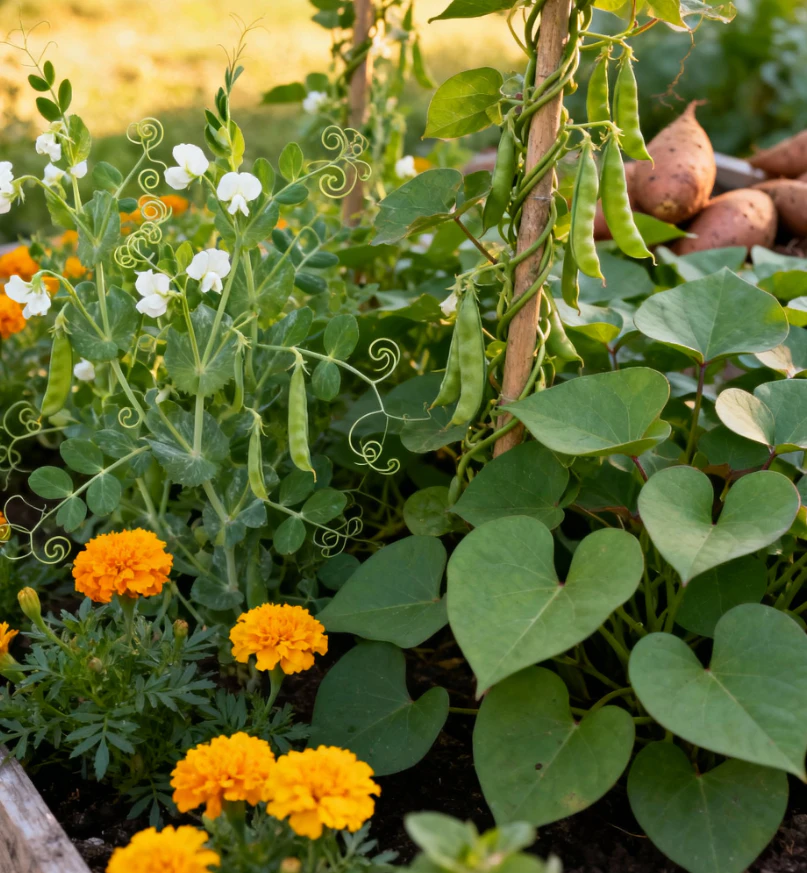
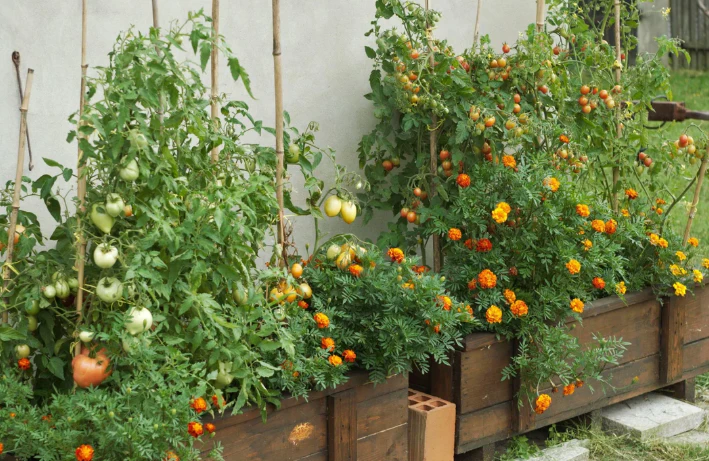
Sweet potatoes benefit from certain neighbors. There are plants which complement sweet potatoes by repelling pests, improving the quality of the soil, or by providing it with shade. Examples of plants which can be used as companions include marigolds, which can repel nematodes, or beans, which can help fixate nitrogen. Growing comfrey plants can help as a fertilizer plant.
Plants to Avoid Growing Nearby
There are some plants that can affect sweet potatoes negatively. It would be best if you didn’t plant brassicas (such as cabbage or broccoli) near sweet potatoes, as this will attract common insects. Moreover, plants that are heavy feeders or plants with broad root systems, including sunflowers, can affect sweet potatoes.
Implementing Efficient Crop Rotation
Crop rotation plays an important role in ensuring that the soil is healthy and free from pests and diseases. The best approach to crop rotation is moving sweet potatoes from one place every year, preferably after crops such as legumes or cereal crops. This is an effective way of promoting a healthy ecosystem.
Weed Control and Mulching
For your sweet potatoes to grow well, it is important that you take care of the weeds as well as apply mulch. Weeds will compete with your sweet potato crop for water, nutrients, and sunlight, which will result in a decreased yield. Applying mulch will help retain water, suppress weeds, and regulate the soil’s temperature.
Effective Mulching Materials and Techniques
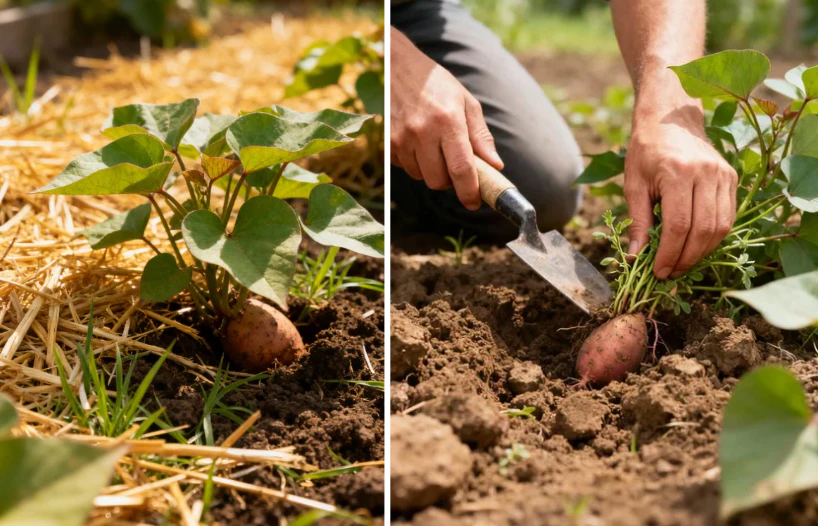
The choice of mulch is very important. Organic mulches like straw, grass clippings, or wood chips make great mulches. You can apply a depth of 2-3 inches of mulch. Keep it a few inches from the base of plants.
Weed Control Methods
Eliminating weeds on a regular basis is an important task. You can use a hoe or manually pull the weeds. Be sure not to disturb the sweet potato roots. Using landscape fabric or plastic mulch will help prevent weeds.
- Check on your garden frequently for weeds.
- Apply mulch to prevent weeds from germinating.
- For serious weed problems, consider using pre-emergent herbicides.
Plant Spacing Requirements
It is essential that there is adequate space for proper growth. Plant your sweet potato varieties 12-18 inches apart. This allows adequate airflow, thus preventing disease. Controlling weeds effectively and mulching will help your sweet potato plants become healthy and more productive.
Dealing with Pests & Diseases
For a sweet potato crop to be abundant, it is important to be educated on the common pests and diseases that can pose a threat to the plants. Sweet potatoes can be threatened by various pests and diseases that can contribute to decreased yields.
Common Sweet Potato Pests and Prevention
Sweet potatoes can be affected by pests like the sweet potato weevil, aphids, and wireworms. Using healthy slips, crop rotation, and garden sanitation can help protect plants from pests. Additionally, monitoring the garden can help gardeners identify pests on their plants early enough.
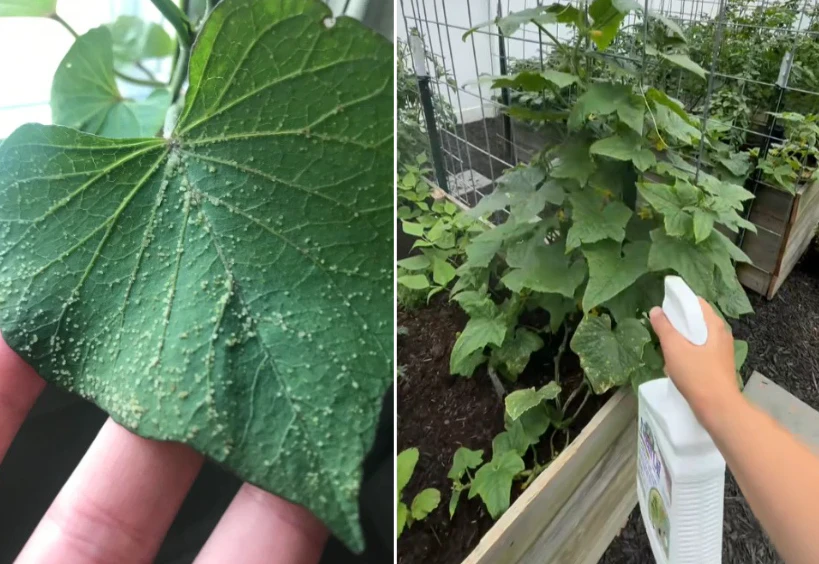
Recognizing and Controlling Sweet Potato Diseases
Examples of diseases of sweet potatoes include scab, black rot, or fusarium wilt. For proper treatment of diseases, it is important that accurate disease identification be achieved. Crop rotation, use of disease-resistant varieties, or proper soil drainage can help in disease prevention. However, use of fungicides can also be considered in this regard.
Organic Pest Control Methods
Natural methods of pest control will always be the best approach if you hope to maintain the health of your garden. You can do this by incorporating the use of neem oil, introducing beneficial insects into your garden, or observing garden hygiene, similar to methods for dealing with Slugs & Snails
Creating Natural Pest Deterrents
The use of natural pest repellents is an effective means through which you can safeguard your sweet potatoes. For instance, garlic spray can help protect sweet potatoes from aphids as well as other pests. You can make this spray by crushing garlic and then mixing it with water.
Harvesting Your Sweet Potatoes: Now, after all the tending, it is time to reveal the rewards of all your hard work by harvesting the sweet potatoes. The harvesting of sweet potatoes is the result of all your planning, hard work, and nurturing.
Indicators of Maturity for Harvest
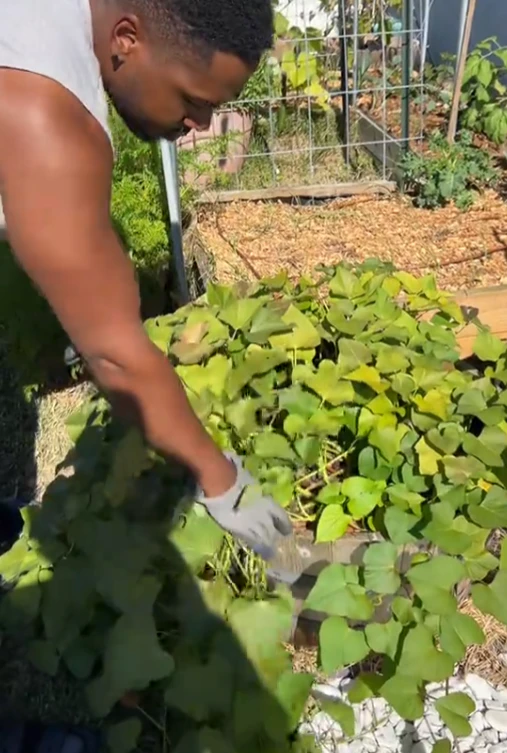
The best time of harvest plays an important role. Indicators of readiness will include:
- The vines begin turning yellow and dying.
- The leaves may begin to turn yellow or drop off. Moreover, checking readiness can also include carefully digging around the plant to examine the tubers.
Techniques for Harvesting
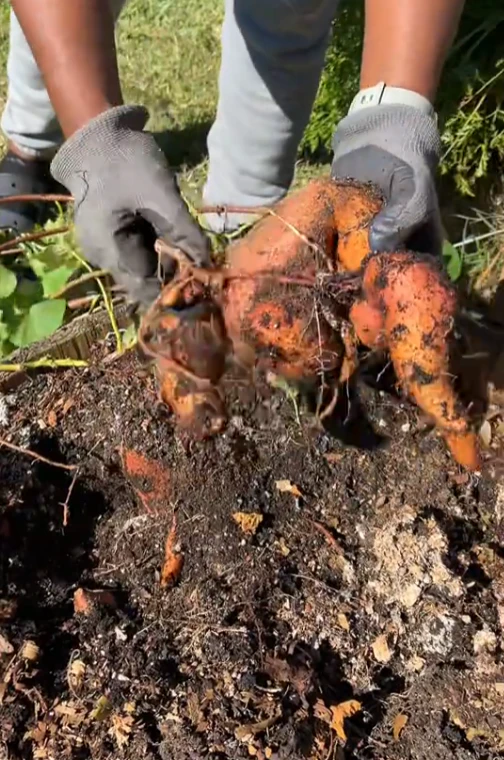
For successfully harvesting sweet potatoes, it is important that proper methods be followed. The soil around the plants can be gently loosened by a fork. However, care must be taken not to puncture the tuber.
Methods of Damage-Free Harvesting
Using the right tools can make all the difference in harvesting. The garden fork is an important tool used to loosen the soil.
Processing the Harvest
After harvesting, it is important to handle the sweet potatoes carefully in order not to bruise them. Curing the sweet potatoes can help heal bruises resulting from handling.
Conclusion: Enjoying the Fruits of Your Labor
Cultivating sweet potatoes can be an exciting endeavor, and by providing you with this information, it is now possible for you to reap an abundance of this crop.
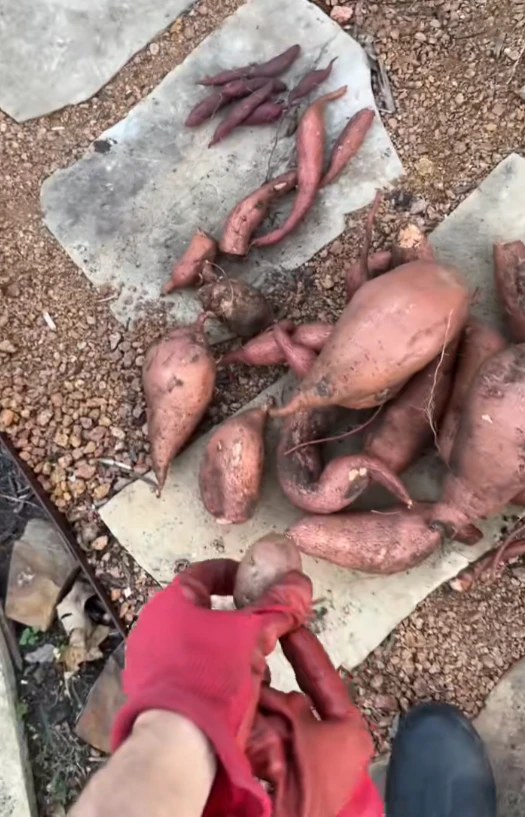
Through this guide, you now understand how to identify the right kind of sweet potato, how to prepare the soil, and how to nurture your sweet potato plants. While enjoying your harvest, do not forget to store your sweet potatoes in the right manner.
Store your sweet potatoes in a cool, dry place. Check on your sweet potatoes from time to time in order to ensure that they are in the right condition. Enjoying the harvest involves not only eating the sweet potatoes. Sharing with others, like hosting a harvest dinner or giving some of your homegrown sweet potatoes to your neighbors, is an important aspect of reaping the benefits of harvesting.