
How to Get Rid of Slugs & Snails Naturally (7 Proven Methods That Work)
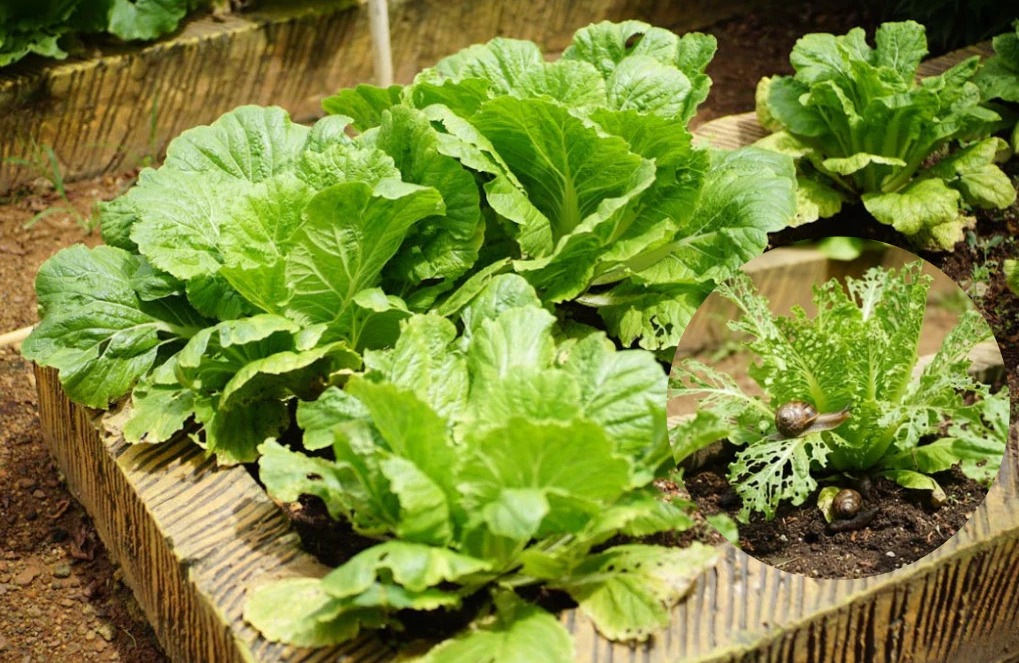
Is there anything more heartbreaking for a gardener than waking up to find your beautiful, young seedlings completely devoured overnight? Those tender lettuce leaves you were so excited about, now just sad, chewed stumps. Or worse, the tell-tale slimy trails leading directly to your prize hosts, now looking like it went ten rounds with a hole puncher.
For me, the culprits behind this garden vandalism were almost always slugs and snails. I used to feel so utterly helpless, watching their glistening trails in the morning dew, knowing they had feasted while I slept. I felt like I was growing a buffet, not a garden.
I tried everything I read online – scattering coffee grounds (didn’t work), crushing eggshells (helped a little, but not enough) – and nothing seemed to make a lasting difference. I was seriously considering giving up on growing anything leafy ever again. One afternoon, I was complaining about these “slime monsters” to my friend Russell, who’s been gardening way longer than I have and seems to have a magical touch. He just chuckled and said, “Ah yes, the slime patrol. I battled them for years until I found a few simple, old-school tricks that actually work.”
Hearing that flicker of hope from someone I trusted was exactly what I needed. In this guide, I’m going to share the 7 natural and effective methods Russell taught me, methods that finally gave me the upper hand in the battle against slugs and snails. Let’s reclaim your garden together!
Understanding Your Slimy Opponents
Before we jump into battle tactics, it helps to know your enemy. Slugs and snails are mollusks, closely related to oysters and clams, but adapted to life on land. The main difference? Snails have that iconic shell they carry around; slugs are essentially homeless snails.
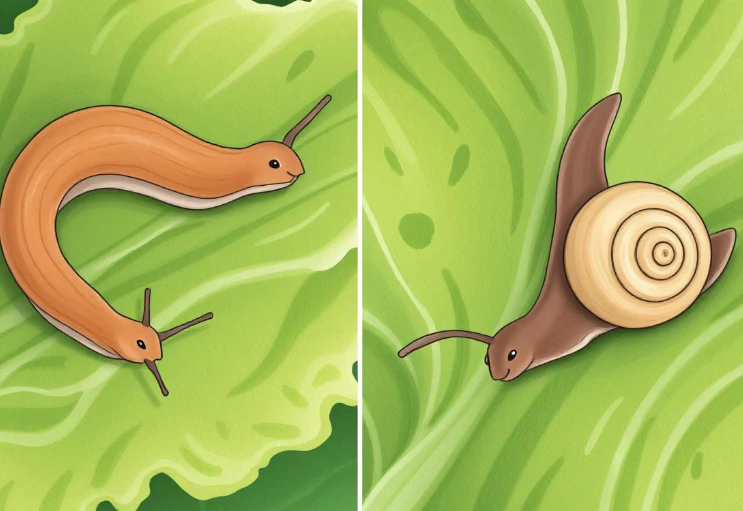
Both adore damp, shady conditions. They are most active at night or on cool, overcast, or rainy days. They glide along on a layer of mucus (that lovely slime trail), which protects their soft bodies but also requires a lot of moisture. This is why dry conditions are their enemy.
Why do they love your garden so much? Because you’ve likely created the perfect slug paradise:
- Tender Food: Young seedlings and leafy greens are their favorite meals.
- Moisture: Regular watering keeps the soil surface damp.
- Hiding Places: Mulch, rocks, low-hanging leaves, pots, and garden debris offer cool, dark places to hide during the day.
Russell’s Wisdom: 7 Natural Methods That Finally Worked for Me
Russell’s advice wasn’t about finding one magic bullet. It was about using a combination of simple, consistent strategies to make the garden less inviting for them and actively reduce their numbers. Here are the methods that made the biggest difference for me.
1. The Legendary Beer Trap: An Offer They Can’t Refuse
Russell’s first suggestion sounded almost too simple, almost like a joke. “They love beer more than your lettuce,” he told me with a grin. I was skeptical, but desperate enough to try anything.
- How It Works: Slugs and snails are incredibly attracted to the yeasty smell of beer. The idea is to lure them into a container they can’t get out of.
- My Simple Setup: I took a few empty yogurt cups and buried them in the garden bed near my most affected plants, making sure the rim of the cup was level with the soil surface. Then, I filled each cup about halfway with the cheapest beer I could find.
- The (Gross but Satisfying) Result: The next morning, I went out expecting maybe one or two victims. The traps were full. It was a bit stomach-churning, I won’t lie, but it was also incredibly satisfying to see physical proof that this simple trick was working. You do need to empty and refill the traps every few days.
2. Creating a “No-Go Zone”: Scratchy Barriers
Slugs and snails have soft, sensitive bodies. They hate crawling over sharp, dry, or irritating surfaces. Creating a barrier around vulnerable plants can be an effective deterrent.
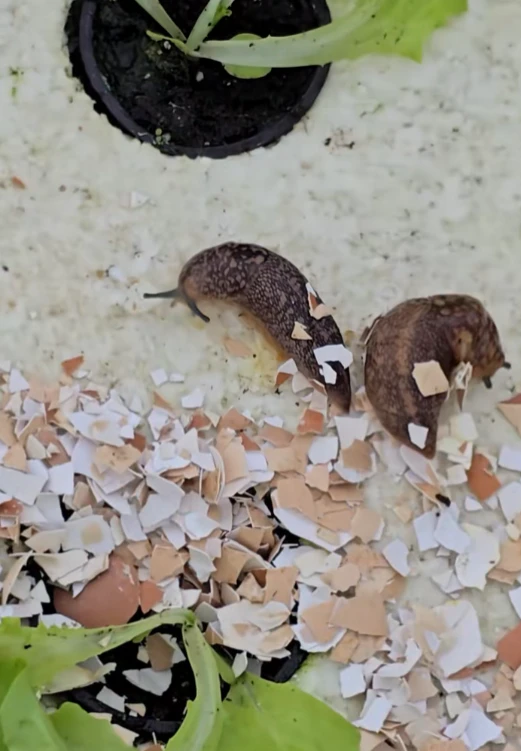
- What Russell Recommended: He confirmed that crushed eggshells can help, but aren’t always enough on their own. He suggested two other materials:
- Diatomaceous Earth (Food Grade): This is a fine powder made from fossilized diatoms. To us, it feels soft like flour, but on a microscopic level, it’s very sharp and abrasive to the soft bodies of slugs and snails, deterring them from crossing. Crucial note: Only use food-grade DE, and wear a mask when applying it, as the dust can irritate lungs. It also needs to be reapplied after rain.
- Coarse Sand or Crushed Oyster Shell: A thick band of rough sand or sharp oyster shell can also create an uncomfortable barrier.
- My Experience: I found that creating a wide (a few inches) ring of crushed eggshells combined with a sprinkle of DE around my seedlings was much more effective than eggshells alone. It’s a good addition to your defense strategy, like one of the many little tricks in our Garden Hacks guide.
3. The Copper Tape Trick: A Mild Shock!
This was another tip from Russell that sounded like science fiction. “Copper gives them a tiny electric shock,” he explained.
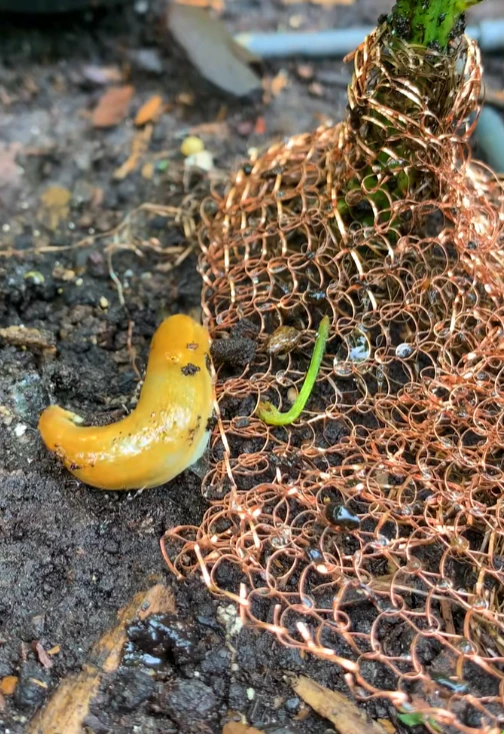
- How It Works: Apparently, the slime that slugs and snails produce reacts with copper, creating a small, unpleasant electrical charge that they really dislike.
- Where to Use It: Copper tape (which you can buy online or at garden centers) is most effective when used to create a solid barrier around raised garden beds or containers. Simply stick the tape all the way around the rim or base of the pot or bed.
- My Verdict: I found this works quite well for keeping them out of specific pots, especially my hostas which they used to demolish. It might not be practical for a large in-ground garden, but for containers, it’s a great tool.
4. Evicting the Squatters: Tidy Up Your Garden
Russell pointed out something obvious I had completely missed. “Where do you think they hide during the day?” he asked me. Slugs and snails need cool, dark, damp places to shelter from the sun.
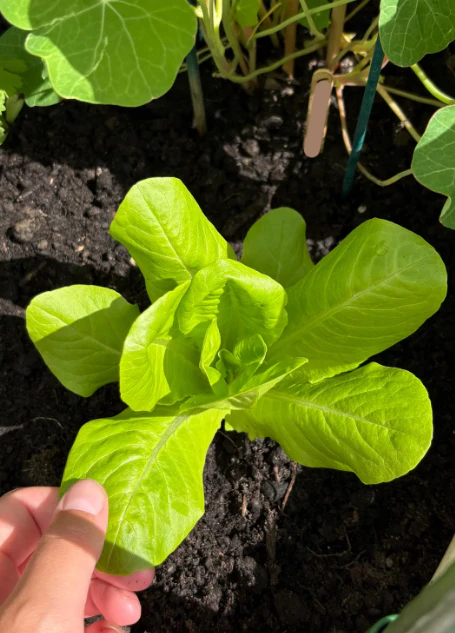
- Making Your Garden Less Hospitable: By cleaning up potential hiding spots, you make your garden a much less attractive place for them to live. This means:
- Removing piles of old leaves, weeds, or decaying plant matter.
- Getting rid of old bricks, stones, or pieces of wood lying around.
- Trimming the lower leaves of plants like hostas or lettuce that touch the ground, improving air circulation.
- My “Aha!” Moment: I realized my messy garden corners, piled high with old leaves and forgotten pots, were basically five-star slug hotels! A good fall garden cleanup isn’t just about aesthetics; it’s a critical pest control measure.
5. Watering Wisely: Don’t Serve Dinner on a Wet Plate
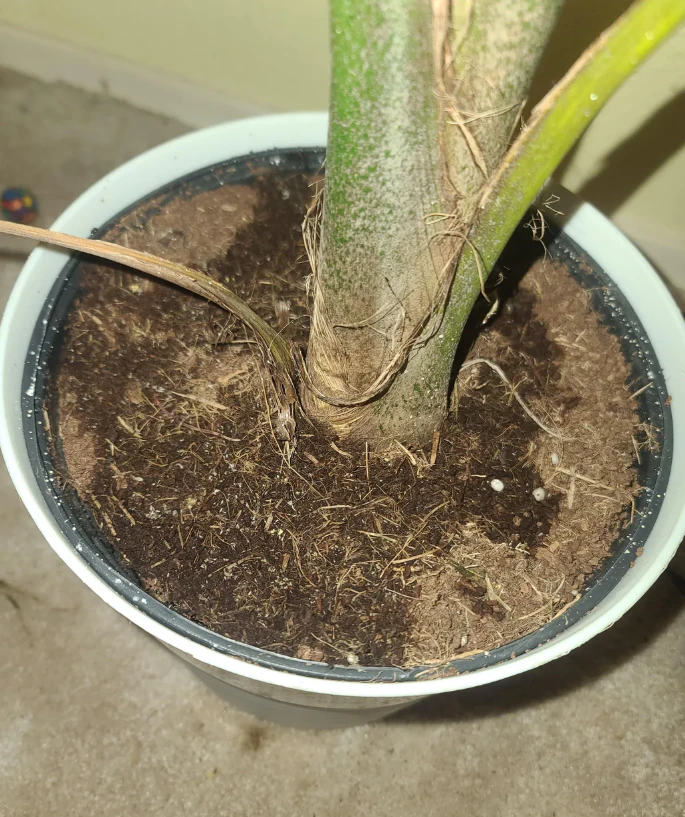
This tip connects directly to the slug’s love of moisture and their nighttime activity.
- The Problem with Evening Watering: When you water your garden in the evening, the soil surface and plant leaves stay wet all night long. This creates a perfect, slick highway for slugs and snails to cruise around and find their favorite snacks.
- The Simple Solution: Water in the Morning. By watering early in the day, the sun and air have plenty of time to dry the surface of the soil and the plant leaves before nightfall. This makes it much harder and less pleasant for them to travel.
6. Calling in the Cavalry: Encourage Natural Predators
This was Russell’s ultimate advice for long-term, sustainable control. “Stop trying to fight nature all by yourself,” he said. “Invite the creatures that actually eat slugs and snails.”
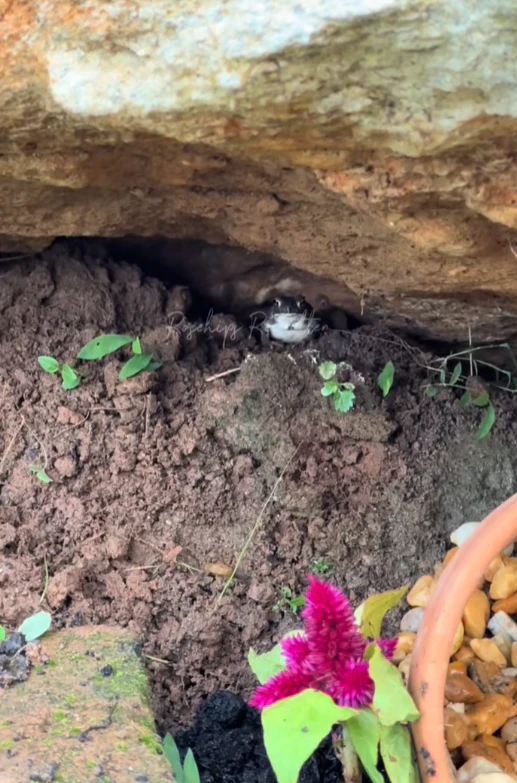
- Who Are the Good Guys? Many creatures find slugs and snails delicious. Depending on where you live, this includes frogs, toads, ground beetles, firefly larvae, and certain birds (like ducks and chickens, though they might eat your plants too!).
- How to Make Your Garden Welcoming: You don’t need to import predators; just create an environment where they feel safe.
- Provide a shallow dish of water (a “toad house” or frog pond is even better!).
- Leave a small pile of rocks or logs in a quiet corner for beetles to hide.
- Most Importantly: Avoid using chemical pesticides! These poisons kill the beneficial predators just as effectively as the pests.
7. The Midnight Mission: Hand-Picking (Surprisingly Effective!)
Okay, I admit it. When Russell first suggested this, I was grossed out. The idea of picking up slimy slugs? No thank you. But one evening, armed with a flashlight and a pair of gloves, I decided to try it.
@rachelinthegarden How do you deal with slugs? Honestly the nightly slug hunt is the only thing that has helped me control their numbers – especially because our house is beside a field! Forget the beer traps and egg shells – this is the way! #gardening #gardeningtips #gardentok ♬ down bad – overlays ⸆⸉
- The Best Time: Go out an hour or two after dark, especially on a damp evening. You will be astonished at how many you find actively munching away.
- The Method: Simply pick them off your plants and drop them into a bucket filled with soapy water. It’s quick, targeted, and incredibly effective at reducing a large population quickly.
- My Honest Feeling: Yes, it’s a bit slimy. But honestly? It’s the most effective way to deal with a bad infestation right now. There’s also a strange sense of satisfaction in personally evicting these little garden destroyers before they can do more damage.
A Few Things That Didn’t Work So Well for Me (Common Myths)
Over the years, I’ve tried many “miracle cures” I read about online. Here are a couple that, in my experience, were mostly ineffective:
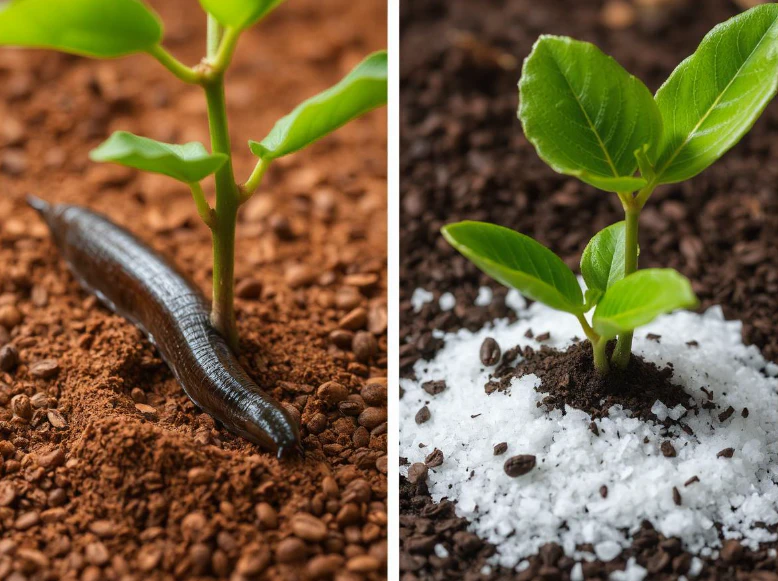
- Coffee Grounds: While great for the compost, I found they did almost nothing to deter slugs. They crawled right over them.
- Salt: Yes, salt will kill a slug instantly. But sprinkling salt around your garden is a terrible idea! It is incredibly harmful to your soil and your plants. Please, never do this.
Conclusion: Winning the Slime War with Patience and Persistence
Fighting slugs and snails can feel like a never-ending battle, especially in damp weather. I definitely felt like giving up more than once. But Russell’s advice taught me the most important lesson: there is no single magic solution.
The key to success is using a combination of these natural methods consistently. Make your garden less inviting, set out some traps, create barriers around your most precious seedlings, and don’t be afraid to go on that occasional night patrol.
It takes a little effort, but reclaiming your beautiful lettuce from the slime monsters is a victory worth celebrating. You can win this war, naturally and gently.


