Forcing Bulbs Indoors: Get Spring Flowers in Winter!
January and February can seem like the longest, grayest months of the year for a true gardener. The outside world sleeps in a blanket of cold, and the vibrant colors of spring seem impossibly distant. I used to just flip through seed catalogs, impatiently dreaming of warmer days. And in this restlessness, my friend Maria showed me a trick that seemed like pure, incredible magic: forcing bulbs indoors. I was quite interested in indoor gardening.
It sounds a bit strange, doesn't it? "Forcing" bulbs. It makes you think you're somehow bullying these poor plants into blooming against their will. But it's not like that at all. It’s more like creating a little springtime shortcut, right inside your own home. You gently trick the bulbs into thinking winter has passed, and they reward you with glorious flowers months ahead of schedule.
In this guide, I'll share the surprisingly simple process I learned for bringing a little bit of spring sunshine indoors when we need it most. We'll talk about the easiest bulbs to start with and the exact steps to coax them into bloom. Let's grow some winter magic!
What Does "Forcing" Actually Mean? (It's Kinder Than It Sounds!)
Let's clear this up first. "Forcing" simply means providing the right conditions indoors to mimic the natural growth cycle of certain spring-blooming bulbs. We're essentially giving them a condensed version of winter and an early spring, all within the comfort of our homes.
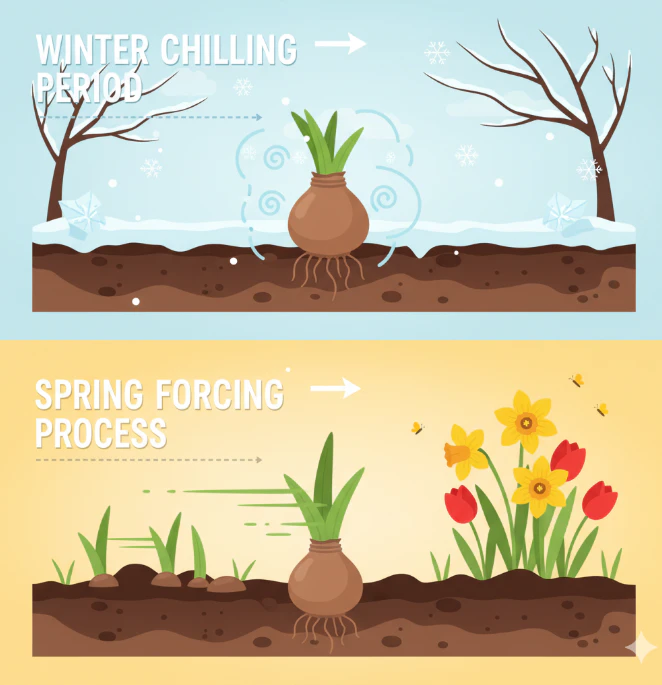
Remember how we talked about planting bulbs in the fall? Those tulips and daffodils need a long period of cold weather underground, called the "chilling period," to trigger their internal clock to bloom. When we force bulbs indoors, we are manually providing that necessary chill, usually in a cool, dark place, before bringing them into the warmth and light to flower. It's less about force and more about clever timing.
My Favorite Bulbs for Indoor Forcing (The Easiest & Most Rewarding)
While you can technically try to force many types of bulbs, some are definitely easier and more reliable for beginners than others. These are my absolute favorites that have brought me the most success and cheer.
1. Paperwhites (Narcissus tazetta): The Absolute Easiest!
If you want instant gratification and an almost foolproof result, start with Paperwhites.
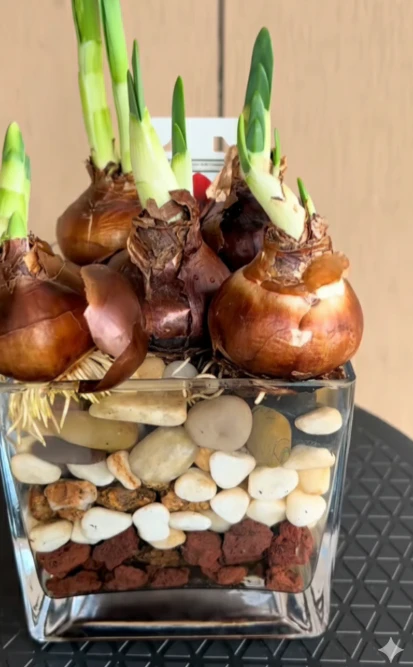
- Why They're Perfect: These are the rebels of the forcing world because they don't need a chilling period at all! You can plant them and expect blooms in just 4-6 weeks.
- My Experience: I love forcing Paperwhites around the holidays. Their clusters of delicate, star-shaped white flowers and incredibly sweet, musky fragrance fill the house with a festive scent. They are incredibly easy, growing happily in just a shallow dish of pebbles and water.
2. Hyacinths: That Unforgettable Spring Perfume
For me, the scent of hyacinths is the scent of spring. Being able to bring that powerful fragrance indoors in the middle of winter feels like a luxurious treat.
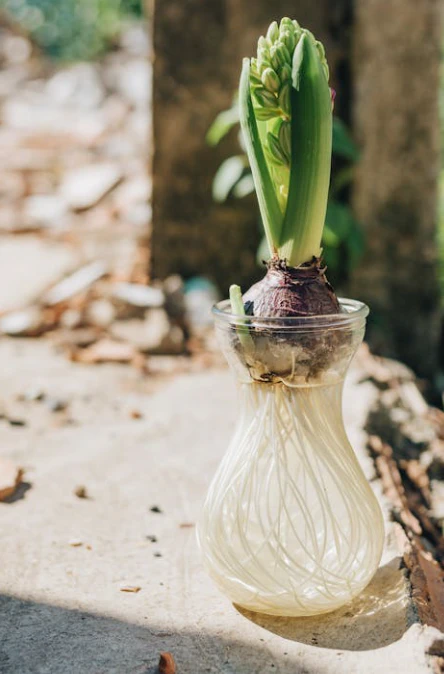
- Why They're Worth It: The fragrance alone is reason enough. Plus, forcing hyacinths in special glass "forcing jars" where you can watch the long white roots grow down into the water is a beautiful and fascinating process in itself.
- What You Need to Know: Unlike Paperwhites, hyacinths do require a chilling period (around 10-12 weeks) before they will bloom.
3. Amaryllis: The Dramatic Showstopper
If you want a truly spectacular indoor flower, look no further than Amaryllis. These bulbs produce huge, dramatic, trumpet-shaped flowers on tall, sturdy stalks.
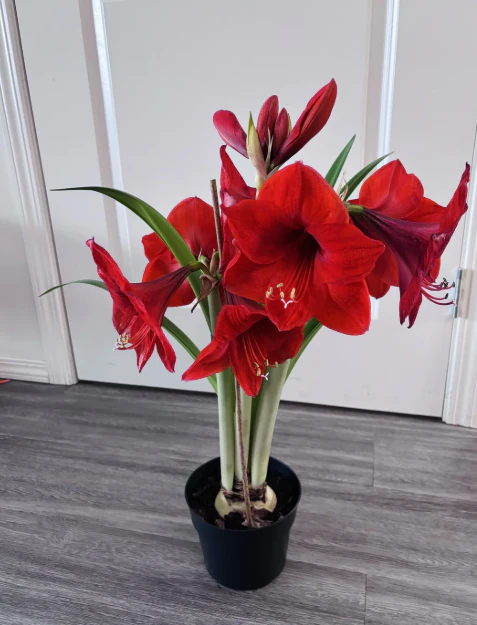
- Why They're Amazing: They are incredibly impressive and surprisingly simple to grow from a large bulb. They also don't need a pre-chilling period, making them another great choice for beginners looking for faster results. One bulb often sends up multiple flower stalks.
- My Tip: Buy the biggest, healthiest bulb you can find. A bigger bulb usually means more flower stalks and a more impressive show.
4. Tulips & Daffodils (Choose Wisely!)
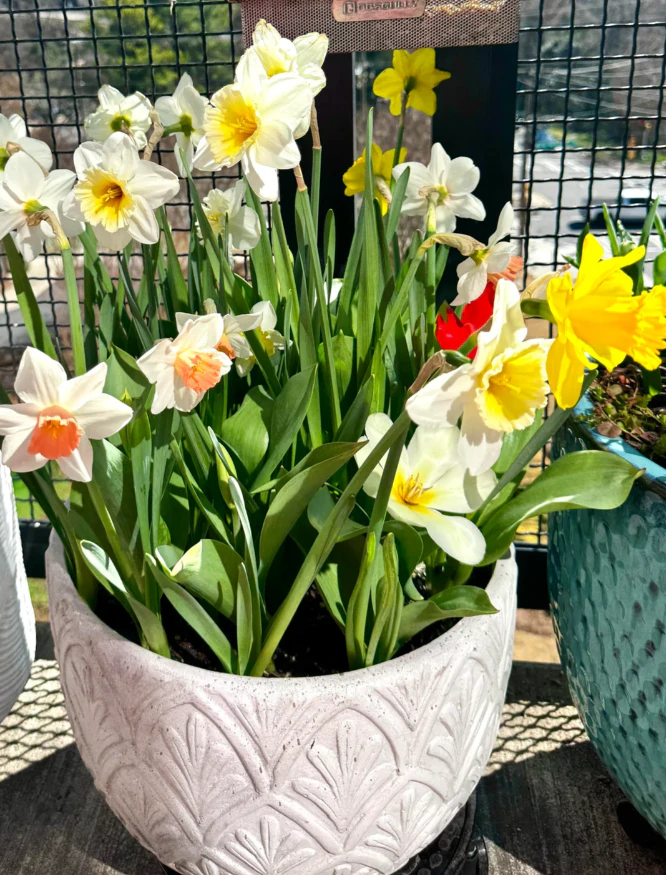
Yes, you can absolutely force the icons of spring indoors! But this is where my early mistakes taught me an important lesson.
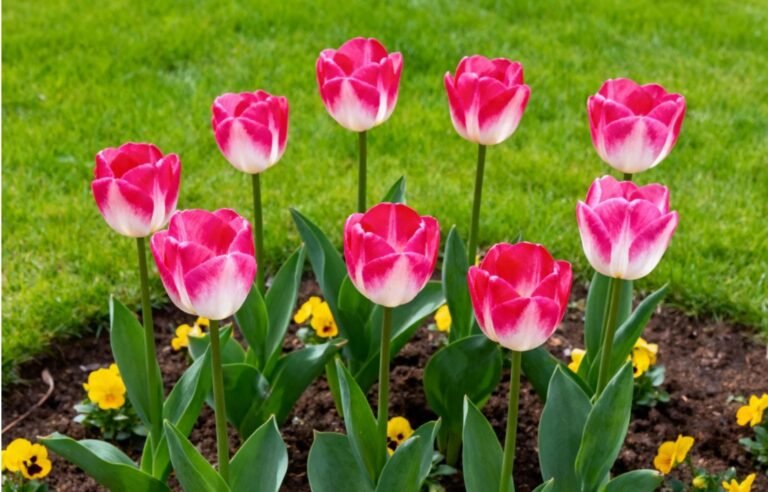
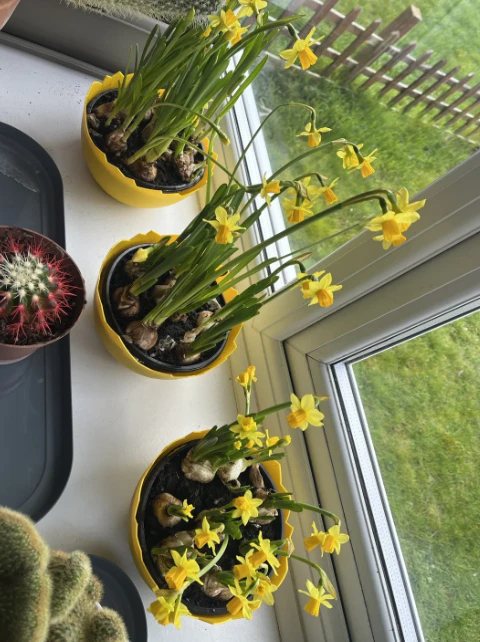
- The Trick I Learned: Don't try to force the giant, late-blooming varieties. They often struggle with the indoor environment and can grow too tall and floppy or fail to bloom altogether. Instead, choose smaller, early-blooming varieties. For tulips, look for 'Single Early' or 'Triumph' types. For daffodils, miniature varieties like 'Tete-a-Tete' are perfect.
- What They Need: Both tulips and daffodils require a significant chilling period (usually 12-15 weeks) to bloom properly indoors.
Related: How to Plant and Care for Tulip Bulbs: A Step-by-Step Guide
5. Crocuses: The Cheerful First Sign of Spring
These little gems are often the very first flowers to pop up outdoors, sometimes even through the snow. You can bring that same early cheer indoors!
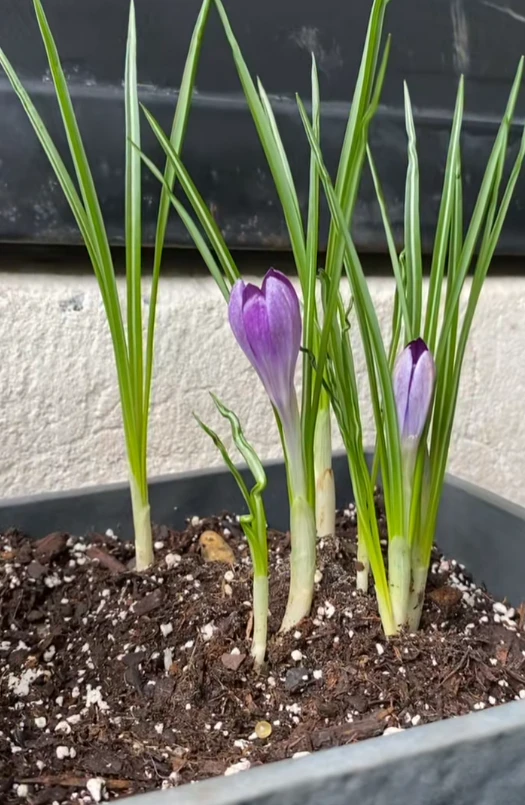
- Why They're Great for Forcing: They require a shorter chilling period than tulips (usually 8-10 weeks) and bloom relatively quickly once brought into the warmth. Their small size makes them perfect for shallow bowls or pots.
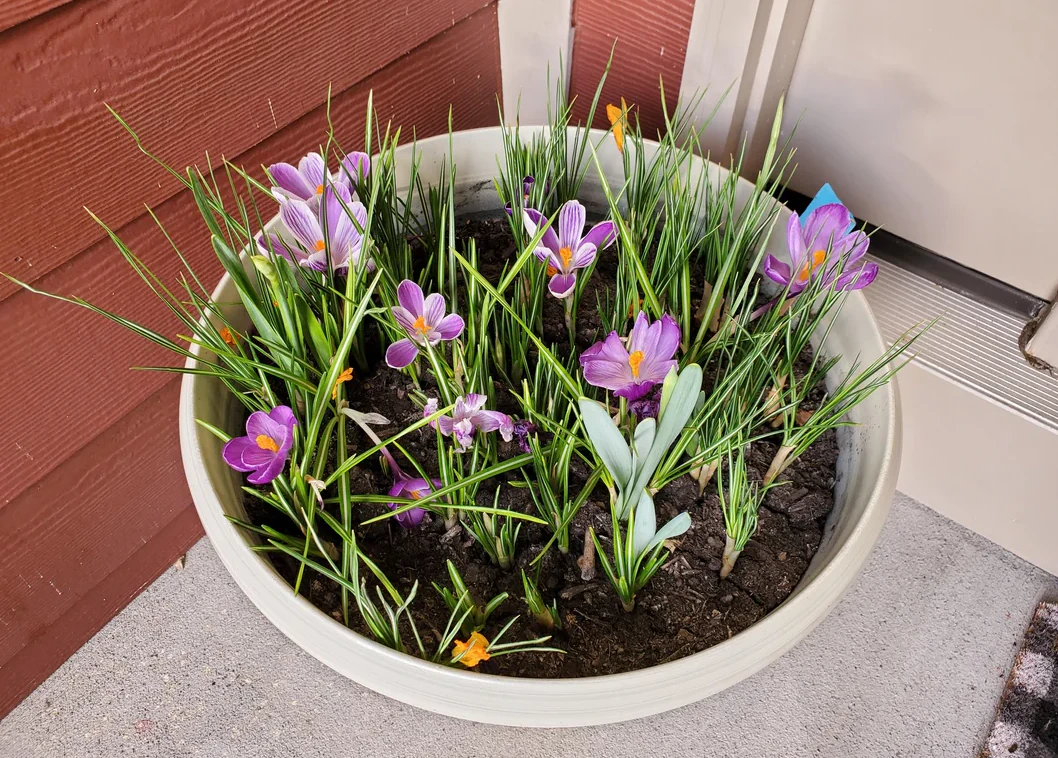
- My Experience: I love planting a dense cluster of purple crocuses in a shallow bowl. Seeing those vibrant little cups open up on a sunny windowsill in February feels like a true victory over winter. They are pure, simple joy.
The Two Main Roads to Indoor Blooms: Soil vs. Water Forcing
There are two basic ways to convince your bulbs it's springtime.
Method 1: Planting in Soil (My Go-To for Tulips & Daffodils)
This method feels the most like traditional gardening and is the best approach for bulbs like tulips, daffodils, and crocuses that need a substantial rooting period during their chill time. It gives them the stability and nutrients they need.
Method 2: Growing in Water (Perfect for Hyacinths & Paperwhites)
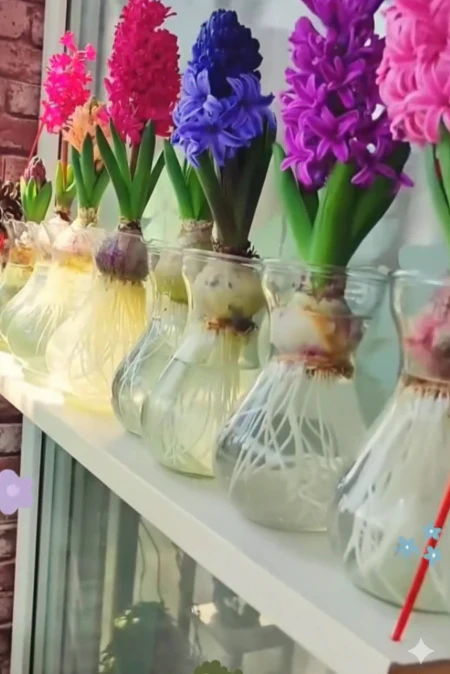
This method is wonderfully clean, simple, and allows you to watch the roots develop, which is fascinating. It works best for bulbs that don't need soil to support a tall flower stalk, like hyacinths (in special jars) and Paperwhites (often grown in a shallow dish with pebbles).
Let's Get Planting: The Step-by-Step Guide to Forcing Bulbs in Soi
This is my preferred method for tulips and daffodils. Here’s exactly how I do it.
- Step 1: Gather Your Supplies. You'll need your chosen bulbs (make sure they are specifically good for forcing, if possible), a pot with good drainage holes (shallow, wide pots often look best), and some quality potting mix. Never use garden soil!
- Step 2: Plant Them Shoulder-to-Shoulder. Fill your pot partway with potting mix. Place your bulbs on top, pointy-side up, quite close together but not actually touching each other. This creates a really full, dramatic display when they bloom. Add more potting mix around them, leaving just the very tips of the bulbs exposed.
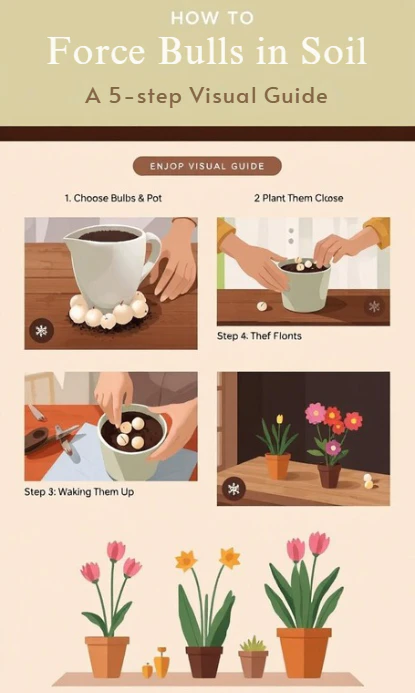
- Step 3: The Crucial Chilling Period (Mimicking Winter). This is the magic step where patience is key. Water the pot thoroughly. Now, you need to place it in a consistently cold (but not freezing) and dark location for the required chilling time. Ideal temperatures are between 35-48°F (2-9°C).
- Where I Chill Mine: An unheated garage, a cold cellar, a spare refrigerator (away from ripening fruit!), or even digging a hole in the garden and burying the pot can work.
- How Long? This varies by bulb type, but plan on:
- Tulips & Daffodils: 12-15 weeks
- Hyacinths: 10-12 weeks
- Don't Forget Them! Check the pot every few weeks and water lightly if the soil feels dry. You want it barely moist, never soggy.
- Step 4: Waking Them Up Gently. After the chilling period, you'll start to see little green shoots emerging from the bulb tips. When the shoots are about 1-2 inches tall, it's time to bring them out. But don't shock them! First, move the pot to a cool, indirectly lit spot (like a cool room or basement) for about a week. This lets them slowly acclimate.
- Step 5: Bring on the Sunshine (and the Blooms!). After a week in the cool light, move your pot to a warmer, sunny windowsill. Keep the soil consistently moist now that they are actively growing. Within a few weeks, you should see flower buds forming. Prepare for the show!
(H2) The Simpler Magic: Forcing Paperwhites & Hyacinths in Water
This method is wonderfully easy, especially for Paperwhites.
- For Paperwhites (No Chilling Needed!): Choose a shallow container with no drainage holes. Fill it with a layer of pebbles or decorative stones. Place the Paperwhite bulbs snugly on top of the pebbles, pointy-side up. Add water until it just reaches the base of the bulbs don't let the bulbs themselves sit submerged in water, or they will rot. Place the container in a bright spot, and watch them grow!
- For Hyacinths (Chilling Required): You can use a special hyacinth forcing glass (which holds the bulb just above the water) or the same pebble method as Paperwhites. Plant the bulb, add water to just below the base, and then place the container in your cold, dark chilling spot for 10-12 weeks. Check the water level occasionally. Once chilled and showing roots and a small green shoot, bring it into the light following Step 4 and 5 above.
(H2) A Few Mistakes I've Made (So You Can Avoid Them)
My journey with forcing bulbs wasn't always smooth sailing. Here are a few hard-won lessons:
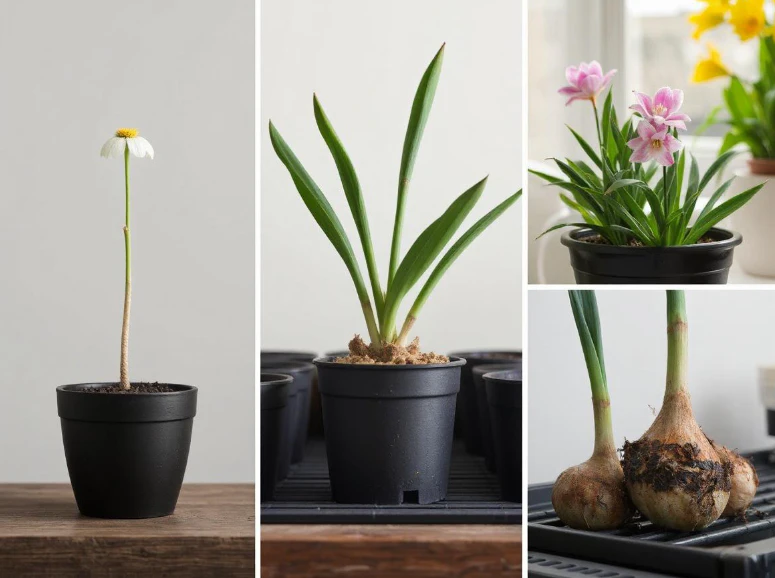
- Impatience is the Enemy: I got impatient one year and brought my tulips out of the cold after only 8 weeks. The result? Lots of beautiful green leaves, but not a single flower! They simply hadn't had enough cold time to trigger blooming. Lesson learned: respect the chilling period!
- Too Much Heat Too Soon: My first Paperwhites grew super tall, weak, and floppy, eventually falling over. I realized I had placed them right next to a heating vent. They prefer a cooler spot while growing to stay compact and strong.
- The Rotten Bulb Disaster: I once tried forcing hyacinths in a beautiful jar without ensuring the water level stayed below the bulb base. The bottom of the bulb sat in water and turned into a mushy, rotten mess. Lesson: only the roots should touch the water.
(H2) Conclusion: A Pocketful of Spring in the Dead of Winter
There is something truly magical about watching a tulip or a hyacinth unfold its vibrant petals indoors while the world outside is still locked in winter's grip. It feels like a small miracle, a tangible promise that warmth and color will return.
Forcing bulbs is a lesson in patience, a quiet act of faith in the cycles of nature. But the reward that burst of fragrance and beauty in the depths of winter—makes every moment of waiting completely worthwhile.
You don't have to start with anything complicated. This winter, try forcing just one or two Paperwhite bulbs in a simple dish of pebbles. Experience the magic for yourself. It might just become your favorite winter tradition.