A Beginner’s Guide to Using Trellises in Your Vegetable Garden
I’ll never forget my first cucumber plant. I was so proud when the little seedling took off, but my pride quickly turned to panic. It sprawled all over the ground like a giant green monster, taking up a huge amount of space in my small raised bed. The fruits that did grow were often muddy, yellowed from sitting on the wet soil, or half-eaten by slugs before I could even get to them. It was a chaotic mess.
Then I discovered the simple magic of growing vertically. A trellis isn’t just a piece of wood or wire; it’s a game-changer that unlocks a whole new dimension in your garden—literally. It’s the secret to a more productive, healthier, and tidier garden.
In this guide, I’ll show you why you should be using trellises, explore some easy and affordable types you can use, and share my favorite climbing vegetables that absolutely love to ‘grow up’.
Why Go Vertical? The Amazing Benefits of Using a Trellis
Before we get into the different types, let me convince you why you should even bother. For me, the benefits were so immediate and obvious that I now can’t imagine a garden without trellises.
You Will Save a Ton of Space
This is the most obvious and impactful benefit. When you train a vining plant to grow upwards, it takes up a tiny fraction of the ground space it would otherwise occupy. This means in the same small square footage, you can grow your climbing vegetables and still have room for other plants like lettuce or herbs at their base. It’s a core principle of the small space garden designs we love.
You’ll Have Healthier Plants and a Bigger Harvest
Lifting your plants off the ground dramatically improves air circulation around the leaves. This is a huge deal. Better airflow means leaves dry faster, which significantly reduces the risk of common fungal diseases like powdery mildew that thrive in damp conditions. Healthier plants naturally produce a bigger and better-quality harvest.
Harvesting Becomes an Absolute Breeze
Honestly, this might be my favorite part. There’s no more hunting for cucumbers hidden under a jungle of giant leaves or finding that a perfect bean pod has rotted on the damp soil. With a trellis, your vegetables hang right in front of you at a comfortable height. It makes spotting, picking, and assessing ripeness so much easier and more enjoyable.
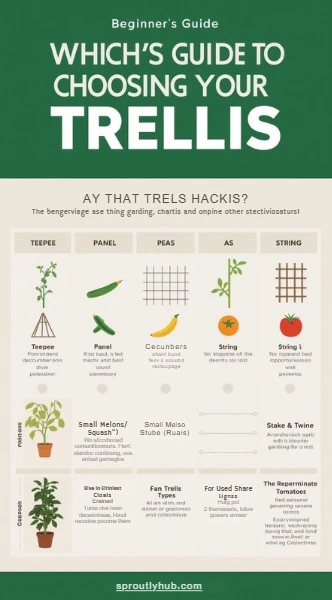
A Trellis for Every Garden: 5 Easy and Popular Types
“Trellis” can sound like a fancy word, but it doesn’t have to be complicated or expensive. Here are a few simple and effective types that I’ve used in my own garden.
1. The Classic A-Frame Trellis
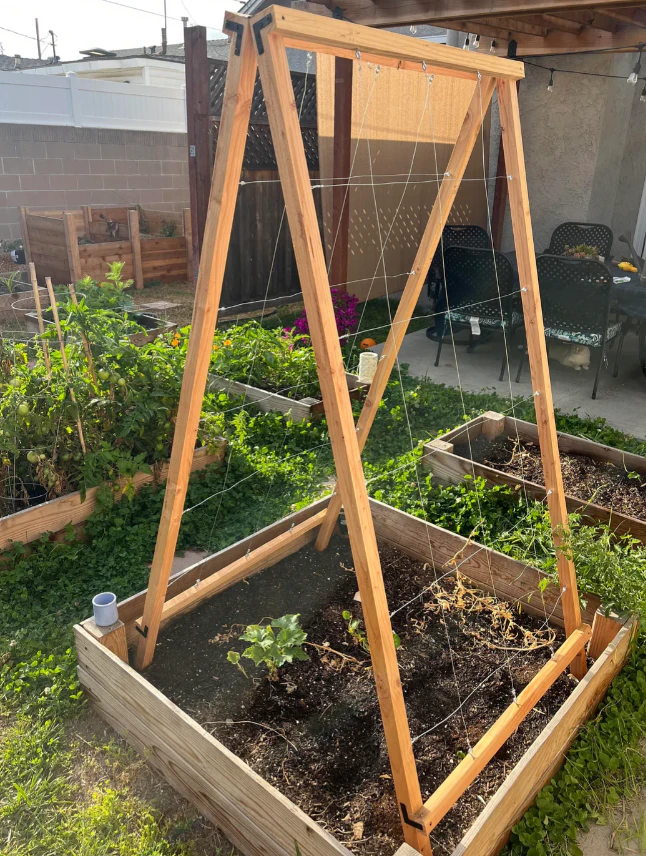
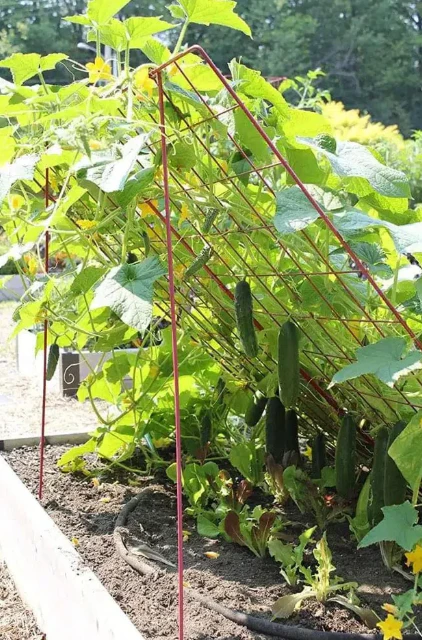
This is a sturdy, freestanding, A-shaped structure that is fantastic for heavy climbers like cucumbers and small melons. I built my first one out of a few pieces of scrap lumber and some netting. Because it’s freestanding, you can place it anywhere in your garden, and the slanted sides make harvesting from both sides incredibly easy.
2. The Simple Panel Trellis
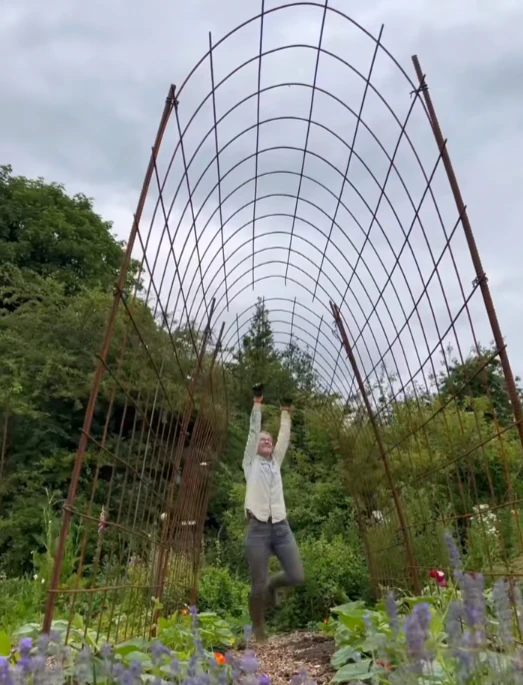
This is perhaps the most versatile option. It’s a flat panel of sturdy wire mesh, often called a “cattle panel” or “hog panel.” You can lean it against a fence or a wall, or you can stake it in the middle of a raised garden bed. My favorite trick is to gently bend it into an arch between two beds, creating a beautiful and productive tunnel to walk through.
3. The Stake & Twine Weave
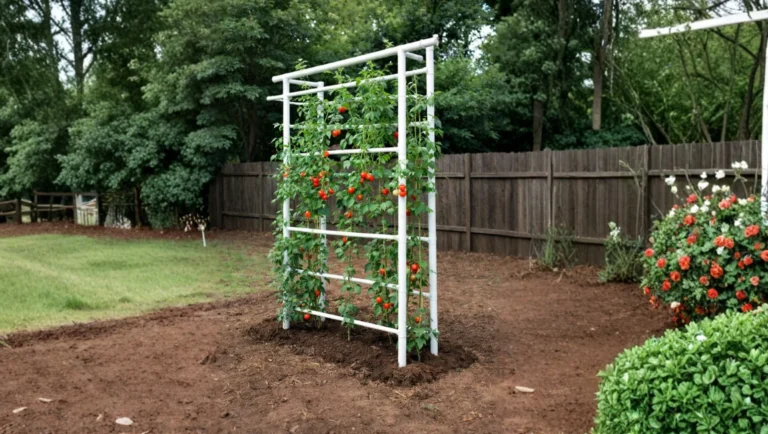
For vining plants that aren’t overly heavy, like indeterminate tomatoes or peas, this is the cheapest and easiest DIY method. You simply drive stakes into the ground at either end of your row and then weave garden twine between them to create a supportive net for the plants to cling to as they grow.
4. The Fan Trellis
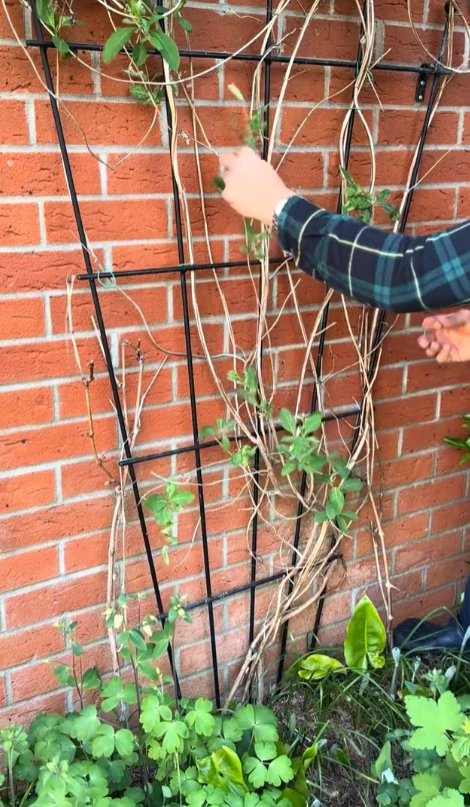
A fan trellis is a beautiful, decorative option that works perfectly against a wall or a fence. As its name suggests, it fans out from a narrow base to a wide top. It’s not just functional; it’s a piece of garden art. I find it’s perfect for training a single indeterminate tomato plant or even a climbing flower like a clematis.
5. The Teepee Trellis
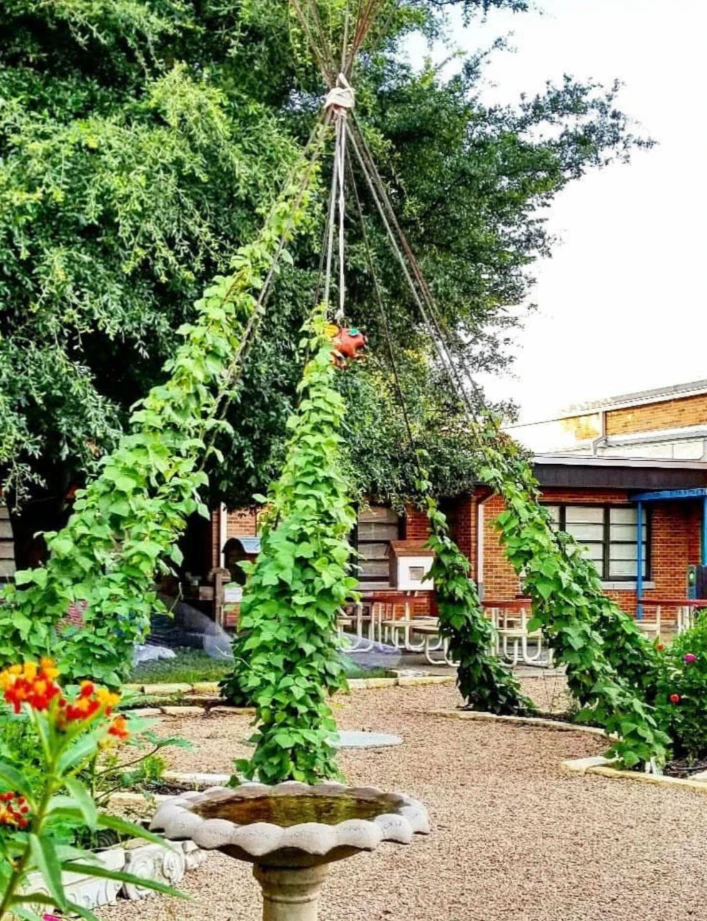
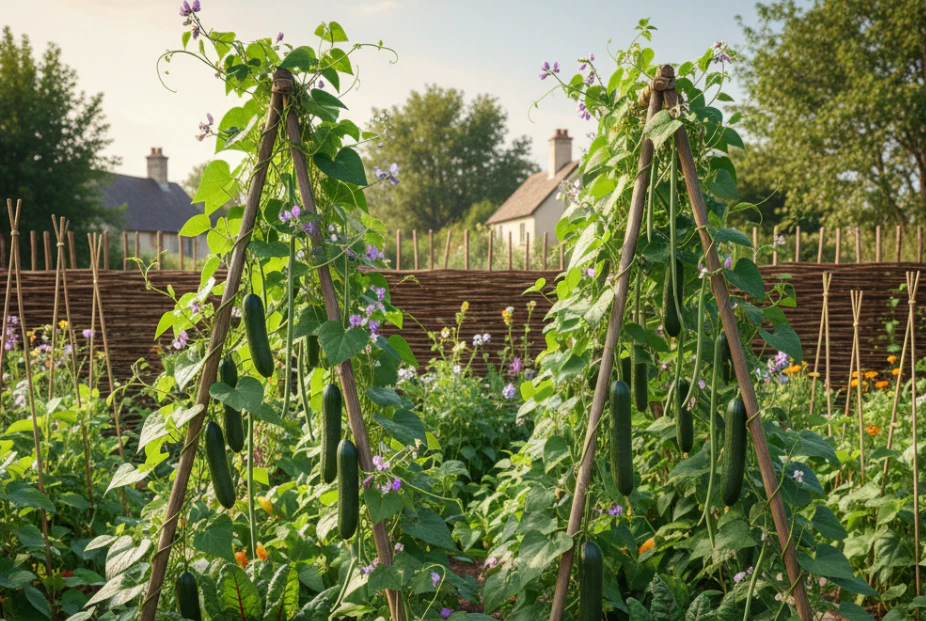
This is a fantastic project to do with kids and it’s great for pole beans. You simply take 3-5 long bamboo poles or sturdy branches, stand them up, and tie them together at the top to form a teepee shape. The beans will happily scramble their way to the top. It creates a wonderful, living playhouse in the garden.
My Favorite Climbing Vegetables: Plants That Love to Grow Up
Now for the fun part! Not all vegetables will climb, but the ones that do are some of the most productive plants you can grow.
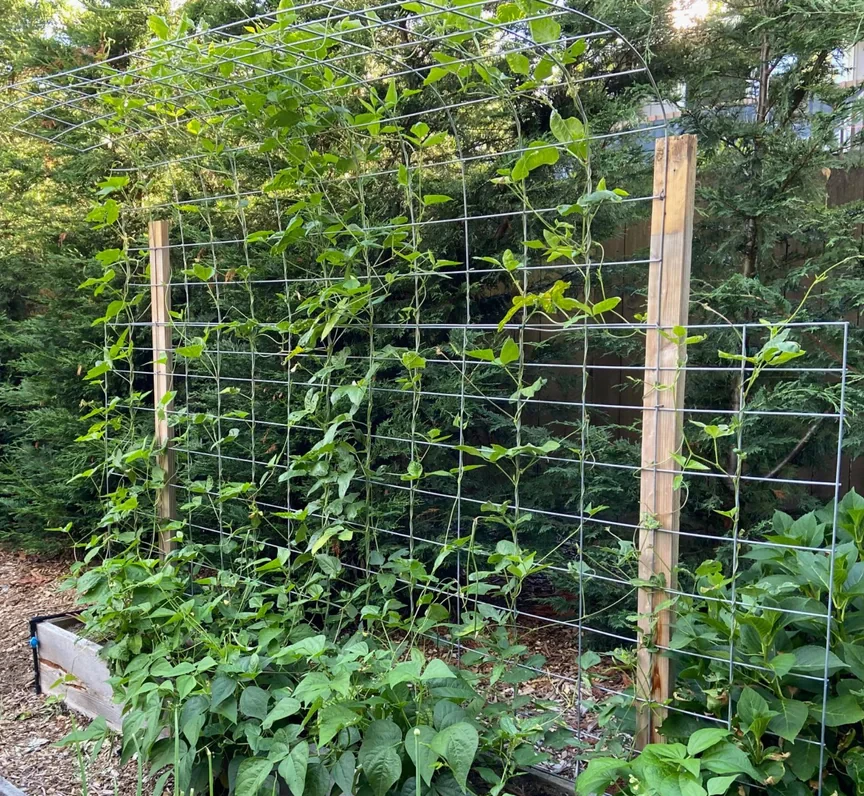
Pole Beans (Not Bush Beans!)
This is a crucial distinction. Bush beans are compact and produce their crop all at once. Pole beans, however, are climbers and will continue to produce beans all season long, as long as you keep harvesting them. Giving them a tall trellis is the secret to a never-ending supply.
Vining Cucumbers
When you buy cucumber seeds or plants, always check the label. “Bush” varieties are compact, but “vining” varieties are the ones that want to climb. Training them on a trellis results in straighter, cleaner, and healthier fruit. It’s a complete game-changer for cucumber growing.
Climbing Peas (Snap, Snow, & Shelling)
Peas are a cool-season delight, and watching their delicate little tendrils grab onto a trellis is one of the simple joys of spring. Whether you’re growing sweet snap peas, flat snow peas, or traditional shelling peas, they will all be happier and more productive with something to climb on.
Small Melons and Squash (Yes, Really!)
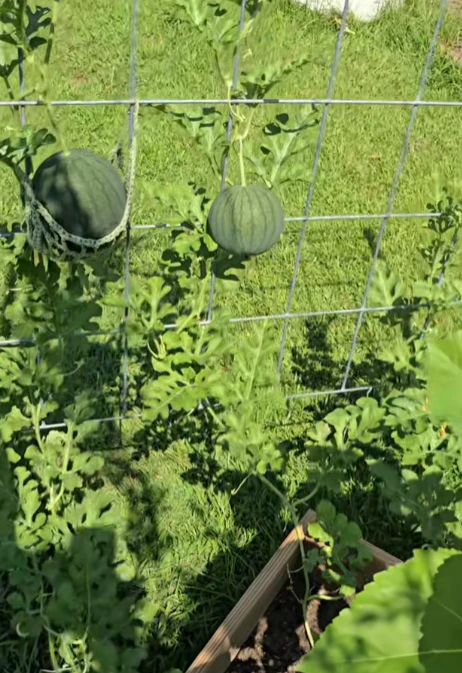
This is my “pro-level” tip that always amazes people. Yes, you can grow vining plants like small watermelons (look for ‘Sugar Baby’ variety) or winter squash vertically! The key is to provide a very strong trellis and to create little “hammocks” out of old t-shirts, pantyhose, or mesh bags to support the weight of the developing fruit. It’s an incredible space-saver.
Indeterminate Tomatoes
Tomatoes come in two main types. “Determinate” tomatoes are bush-like and grow to a fixed size. “Indeterminate” tomatoes are vines that will keep growing and producing fruit all season long until the first frost. These are the ones that absolutely need a tall, strong stake or trellis to support their vigorous growth. This is one of the 11 simple vegetables I always recommend, but choosing the right type for your space is key.
A Few Simple Tricks I’ve Learned for Trellis Success
- Install It Early: Put your trellis in place at the same time you plant your seedlings. Trying to add a support structure later can damage the plant’s delicate root system.
- Guide Them Gently: Your plants might need a little help finding the trellis at first. When the vines are young and flexible, gently weave them through the supports or loosely tie them with a piece of soft garden twine.
- Don’t Tie Too Tightly: When you do tie your plants to the trellis, always use soft, stretchy material (like strips of an old t-shirt) and tie them in a loose loop. This prevents the tie from cutting into the stem as it grows thicker.
Conclusion: Don’t Just Think Out, Think Up!
When I first started gardening, I was always thinking about how much ground space I had. Learning to think vertically completely changed my perspective. A trellis is one of the simplest, most effective tools for making your garden more productive, healthier, and, in my opinion, more beautiful and interesting.
You don’t need to build a giant, complicated structure. This season, just try one. A simple bamboo teepee for some beans, or a few stakes and string for a tomato plant. I promise you’ll be amazed at the results.