A Beginner’s Guide to Creating a Cut Flower Garden (10 Easy Flowers to Start With)
There’s a special kind of magic in bringing a bouquet of fresh, fragrant flowers from your own garden into your home. It’s a small act that can completely change the feeling of a room, making it feel alive and full of joy. For years, I thought this was a luxury, something for people with huge, fancy country gardens. I’d admire beautiful bouquets in shops, never dreaming I could create them myself.
I was completely wrong.
I eventually discovered the concept of a “cutting garden”—a simple, dedicated space for growing flowers specifically for arranging. It turned out to be one of the most joyful and rewarding projects I’ve ever started. In this guide,
I’ll demystify the process and walk you through the simple steps to start your own. And to make it even easier, I’ll share my top 10 foolproof flowers that will give you endless, beautiful bouquets all season long. Let’s grow some happiness!
What’s a Cutting Garden, Anyway? (And Why You’ll Love It)
So, what’s the difference between a regular flower bed and a cutting garden? Think of it this way: a flower bed in your front yard is usually for show—it’s ornamental. You plant it to look beautiful and you hesitate to cut the flowers because it will spoil the display.
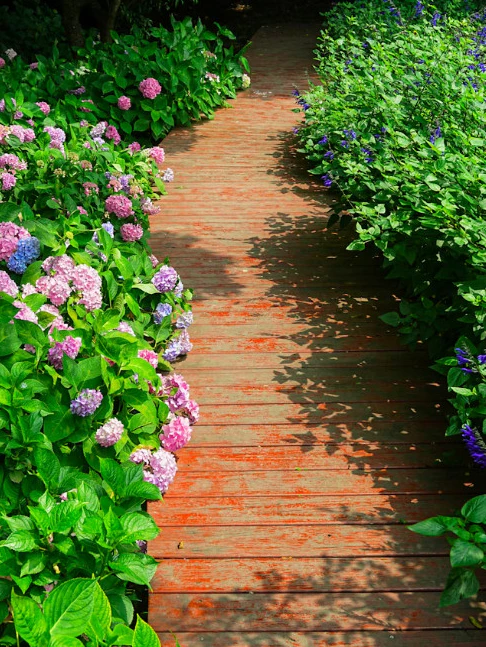
A cutting garden, on the other hand, is a working garden. Its entire purpose is to be harvested. Here, plants are often grown in simple rows, much like a vegetable garden, to make cutting and maintenance easy. The main benefits are incredible:
- Endless Bouquets: You can have fresh, homegrown flowers for your home, your office, or to give as beautiful gifts from spring until the first frost.
- You’ll Save So Much Money: A single store-bought bouquet can be expensive. A few packets of seeds can provide you with dozens of bouquets for a fraction of the cost.
- It’s a Creative Outlet: Designing and arranging your own bouquets is a wonderfully creative and relaxing hobby.
- You’ll Help the Pollinators: A garden full of flowers is a paradise for bees and butterflies.
My 3 Simple Secrets to a Successful Cutting Garden
Before you start choosing your flowers, there are just three foundational secrets I’ve learned that make all the difference.

Find Your Sunniest Spot
Most of the best and most productive flowering plants are sun-worshippers. To get an abundance of blooms, you need to find a spot in your yard that gets at least 6-8 hours of direct sunlight per day. This is non-negotiable for most of the flowers on our list.
Prepare Rich, Healthy Soil
Flowers, like vegetables, are heavy feeders. They need nutrient-rich soil to produce a constant supply of blooms. Before you plant, it’s essential to amend your soil with a few inches of good quality compost. This one step, which I talk about in my guide to common beginner mistakes, is the secret to strong stems and vibrant flowers.
Embrace the “Cut and Come Again” Philosophy
This is the most important mindset shift for a cutting garden. Many of the best cutting flowers are “cut and come again” varieties. This means the more you cut their flowers, the more the plant is stimulated to produce new flowers. So don’t be shy! Harvesting is what keeps the garden productive.
My Top 10 Easiest Flowers for a Beginner’s Cutting Garden

Here are my tried-and-true favorites. These are all easy to grow from seed, incredibly productive, and will make you feel like a professional florist.
1. Zinnias: The Unstoppable Champions

If you can only grow one flower on this list, make it the Zinnia. They are the absolute workhorses of the cutting garden. They are incredibly easy to grow from seed directly in the garden, they thrive in the heat of summer, and they will produce flowers non-stop until the first frost. The variety of colors and shapes is simply astonishing.
2. Cosmos: The Whimsical Dancers
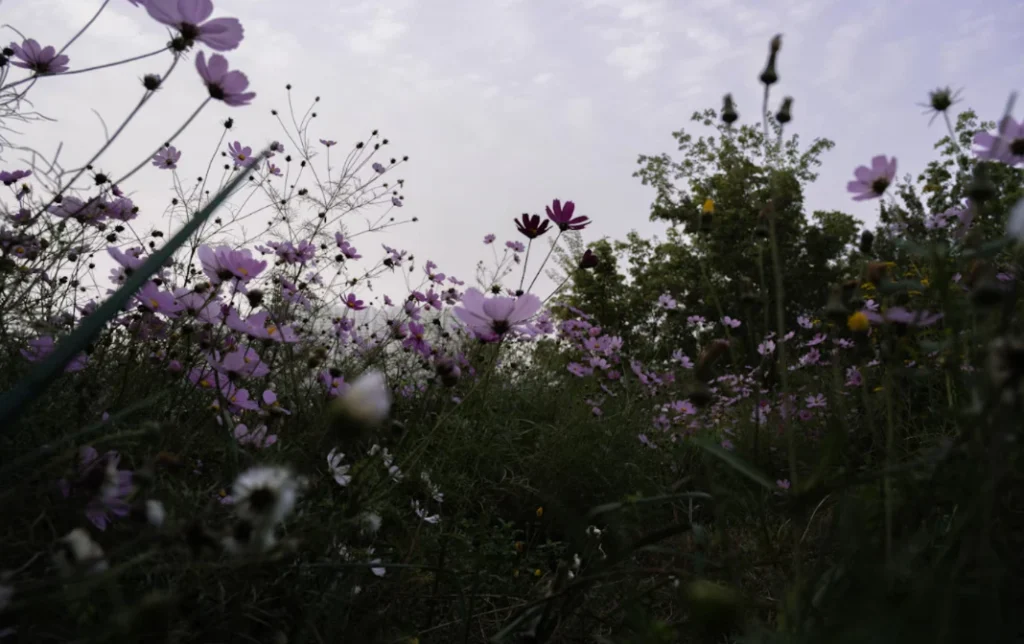
Cosmos add a touch of airy, whimsical grace to any garden or bouquet. Their delicate, daisy-like flowers on long, slender stems dance in the breeze and are incredibly easy to grow. They make any bouquet feel a little more romantic and wild. I love the classic ‘Sensation’ mix for its beautiful pinks and whites.
3. Sunflowers: More Than Just One Giant Flower

While we all love the giant, single-headed sunflowers, they aren’t great for cutting. Instead, for your cutting garden, look for “branching” varieties like ‘ProCut Orange’ or ‘Autumn Beauty’. These types produce many smaller flowers on a single plant, giving you a season-long supply of cheerful blooms for your arrangements.
4. Dahlias: The Breathtaking Showstoppers

Dahlias can seem intimidating to new gardeners, but their stunning, geometric blooms are worth every bit of effort. Starting with tubers in the spring is surprisingly easy. There are so many types, but for cutting, the “dinnerplate” varieties are unbelievably dramatic, and the smaller “ball” or “pompon” varieties last an incredibly long time in a vase. They truly are the queens of the late summer garden.
Related: 14 Stunning DIY Fountain Ideas to Transform Your Garden
5. Snapdragons: Adding Height and a Touch of Nostalgia

Snapdragons are essential for adding a beautiful vertical element, or “spire,” to your bouquets. I love them because they remind me of my childhood, pinching the flowers to make the “dragon’s mouth” open and close. If you cut the main, central stem when it blooms, the plant will send up multiple side shoots, giving you even more flowers to cut.
6. Sweet Peas: The Scent of Pure Perfume

While many of the flowers on this list are beautiful to look at, Sweet Peas are all about their incredible, sweet fragrance. They are climbers, so you’ll need to give them a trellis or netting to climb on. Just a few stems of Sweet Peas in a bouquet can perfume an entire room. They love cool weather, so be sure to plant them early in the spring.
7. Marigolds: The Cheerful, Hard-Working Companions

Don’t underestimate the humble Marigold! They are incredibly hardy, reliable, and their warm yellow, orange, and deep red tones are perfect for late summer and fall bouquets. As a bonus, their scent is known to deter certain pests in the garden, making them a great companion plant for your vegetables. It’s one of my favorite natural garden hacks.
Related: 15 Stunning Flower Pots Outdoor Ideas for a Beautiful Spring Patio
8. Black-Eyed Susans (Rudbeckia): A Ray of Sunshine That Returns

For a truly low-maintenance option, you can’t beat Black-Eyed Susans. These cheerful, golden-yellow, daisy-like flowers are perennials, meaning they will come back on their own every year. They are tough, drought-tolerant, and last a very long time in a vase, making them a reliable backbone for any summer bouquet.
9. Salvia: The Elegant Spires That Bees Adore

Similar to snapdragons, Salvia provides a beautiful and elegant “spire” shape that adds height and texture to arrangements. Their long stems are covered in tiny flowers, usually in stunning shades of deep blue, purple, or red. And as a huge bonus, the bees and hummingbirds absolutely love them, bringing life and energy to your garden.
10. Ammi Majus (False Queen Anne’s Lace): My Secret Weapon

This is my personal “pro tip” for making your bouquets look like they came from a high-end florist. Ammi Majus produces large, delicate, lacy white flower heads that are the absolute perfect “filler” flower. They make any arrangement look fuller, more airy, and more professional. It’s incredibly easy to grow from seed and will produce abundantly all summer long.
The Art of the Harvest: How to Make Your Bouquets Last
Growing the flowers is only half the battle. How you harvest them makes a huge difference in how long they’ll last in a vase.

- The Best Time to Cut: I always go out with my scissors in the early morning, right after the dew has dried but before the sun gets too hot. The stems are full of water at this time, making them firm and less likely to wilt.
- The Right Way to Cut: Always use a clean, sharp pair of scissors or pruners. Cut the stems at an angle. I always make my cut right above a set of leaves or a “node,” which often encourages the plant to send out new blooming shoots from that spot.
- The Immediate Aftercare: This is a crucial step I learned from a flower farmer. I take a bucket of cool water out into the garden with me. As soon as I cut a stem, it goes directly into the water. This prevents air bubbles from getting into the stem and blocking water uptake.
Conclusion: The Joy of a Homegrown Bouquet

There is a unique and profound satisfaction that comes from creating something beautiful with your own two hands. A cutting garden allows you to do just that, week after week. The joy of walking through your own private flower shop, selecting the perfect blooms, and creating an arrangement to brighten your home or give to a friend is truly special.
It doesn’t need to be a huge or complicated project. A small, sunny patch of your yard is all you need to get started. I hope this guide has inspired you to plant a little more beauty in your life.