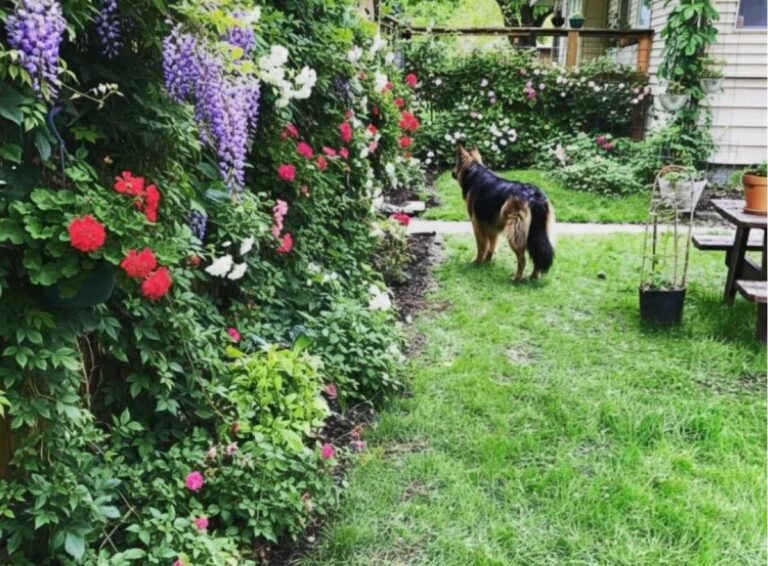
16 Vertical Herb Garden Ideas to Grow Fresh Flavors in Small Spaces
Living in small apartments or having a small balcony, many of us think that having a proper garden is out of reach. But I started Especially a herb garden! I love cooking, and the thought of snipping fresh basil or mint right when I need it felt like a distant dream. Then, I discovered the magic of growing up.
Vertical herb gardens are an absolute game-changer for anyone short on space. They turn bare walls, fences, or even sunny windows into productive, beautiful, and delicious green spaces. Plus, having your herbs right near the kitchen? It’s life-changing.
Over the years, inspired by my own needs and seeing clever setups in my friends’ homes, I’ve gathered quite a few ideas. Here are 16 of my favorite vertical herb garden concepts – from super simple DIYs to stylish statement pieces – to get you growing fresh flavors, no matter how little room you have.
Why Take Your Herbs Vertical?
Before we jump into the ideas, why bother growing up instead of out?
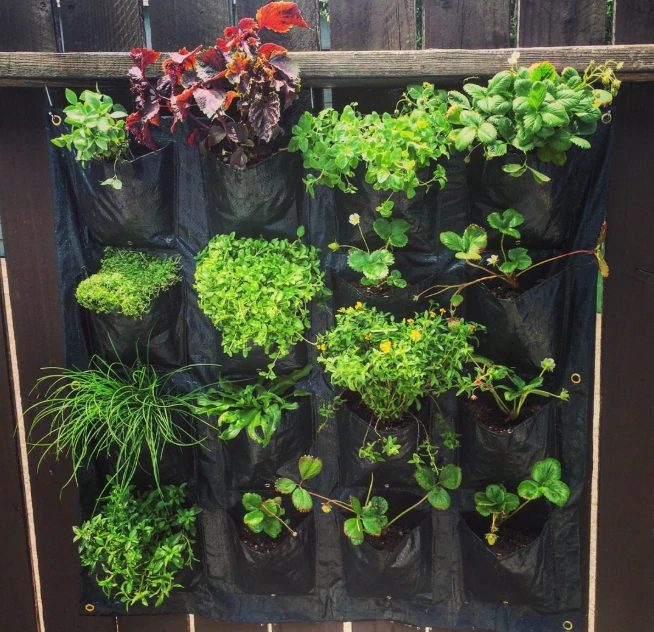
- Space Saving Superstar: This is the biggest win. A vertical setup uses minimal floor space, making it perfect for balconies, patios, and even indoor walls. It’s a key strategy in small space garden design.
- Easy Kitchen Access: Imagine snipping fresh parsley without even putting your shoes on! Vertical gardens near your kitchen door or window make harvesting incredibly convenient.
- Beautiful Living Decor: Let’s be honest, a wall covered in lush green herbs looks amazing. It’s functional and beautiful.
- Better Air Circulation: Lifting herbs off the ground can sometimes improve airflow, potentially reducing issues with pests or diseases.
16 Inspiring Vertical Herb Garden Ideas
Ready to find the perfect setup for your space? Let’s explore some options.
1. The Classic Wall Pocket Planter
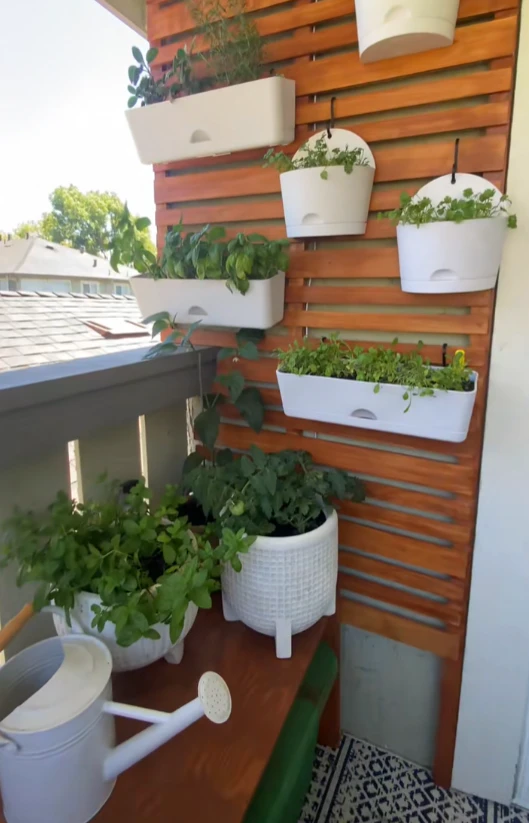
You’ve probably seen these fabric or plastic pockets designed to hang on a wall. They’re readily available and super easy to set up. My friend Sarah uses a large fabric one on her tiny city balcony, and it’s packed with herbs all summer. Just make sure the wall gets enough sun and be mindful that fabric pockets can dry out quickly.
2. Stacked Terracotta Pots
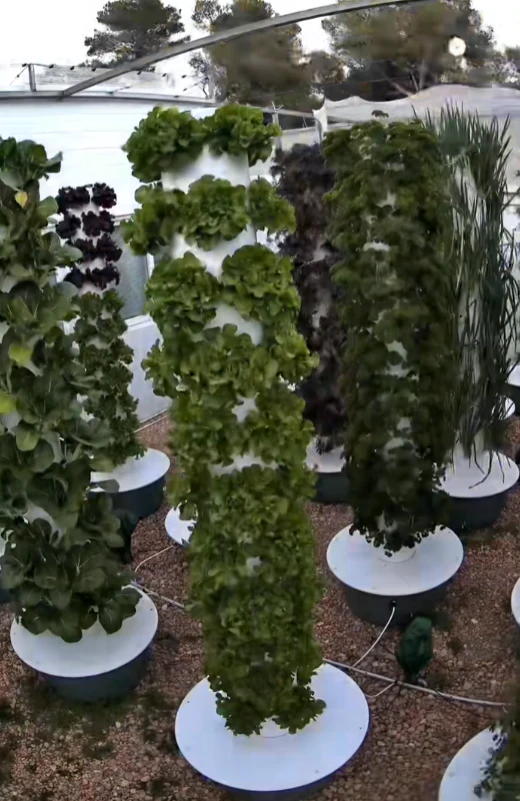
This creates a lovely, rustic “herb tower.” You use a central rod and stack terracotta pots of decreasing size, planting in the side pockets created. It looks charming and works well for herbs that don’t need tons of root space, like thyme or oregano.
3. Upcycled Pallet Garden
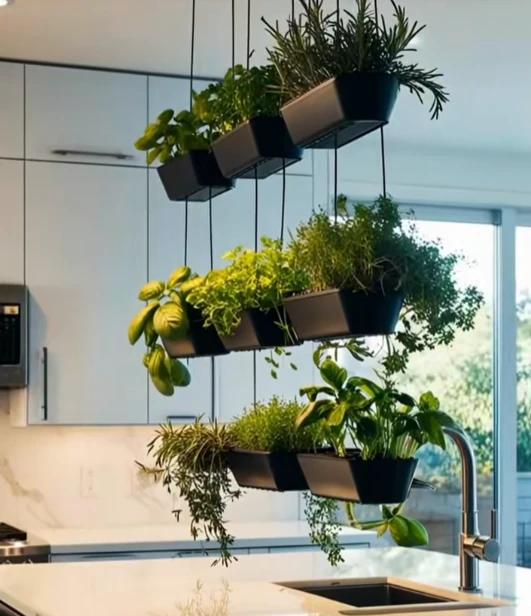
This is a classic DIY favorite and a fantastic eco-friendly garden hack. Stand a wooden pallet upright, staple landscape fabric to create pockets between the slats, fill with soil, and plant your herbs. It’s rustic, cheap, and surprisingly effective. Just ensure your pallet is heat-treated (HT stamp), not chemically treated.
4. Gutters on the Wall

Old rain gutters (or new ones!) can be mounted horizontally on a wall or fence to create shallow planters. Drill drainage holes, fill with soil, and they become perfect, linear homes for shallow-rooted herbs like lettuce mixes or chives.
5. Mason Jar Window Garden
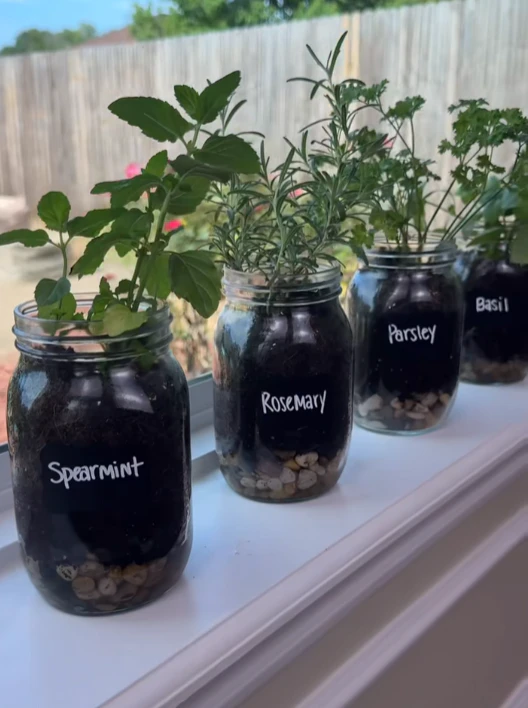
For a sunny kitchen window, this looks beautiful. Mount small hose clamps or rings onto a piece of wood, and hang mason jars filled with water or soil. It’s perfect for rooting cuttings or growing water-loving herbs like mint. Just remember drainage can be tricky with jars without holes.
6. A Leaning Ladder Shelf
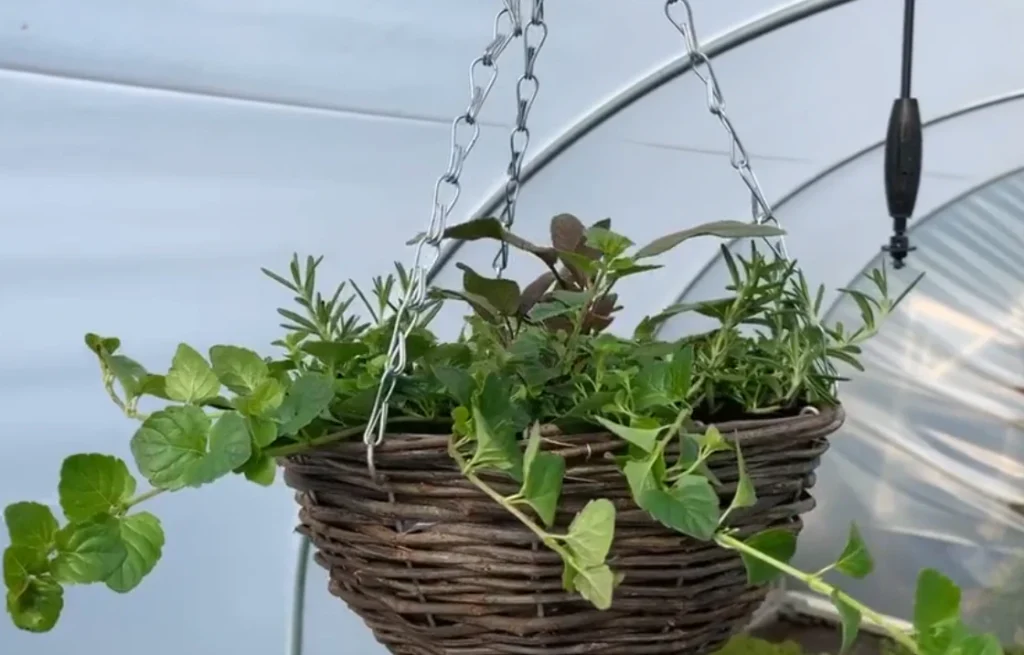
Find an old wooden ladder or buy a decorative ladder shelf. Each rung becomes a platform for small herb pots. It adds a lovely vertical element and allows you to display your collection beautifully. It’s less about maximizing space and more about stylish display.
7. Hanging Shoe Organizer Garden
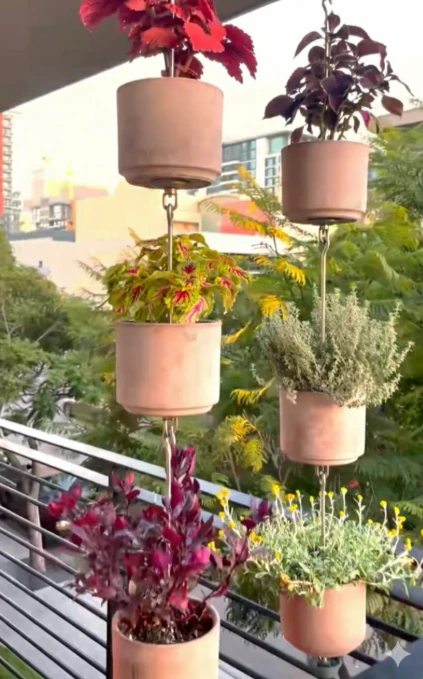
Yes, really! Those cheap, over-the-door canvas shoe organizers with multiple pockets make surprisingly good vertical planters, especially for smaller herbs. Again, keep an eye on watering, as the small pockets dry out fast.
8. DIY Tin Can Wall
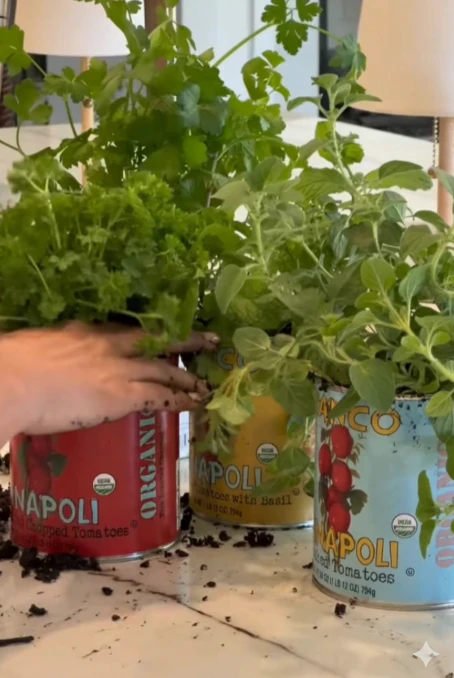
Collect some old tin cans, paint them in bright colors (or leave them rustic), drill drainage holes, and mount them onto a wooden board or directly onto a fence. It’s a cheerful, budget-friendly, and totally customizable option. I saw a neighbor do this, and it looked fantastic.
9. Tiered Planter Boxes
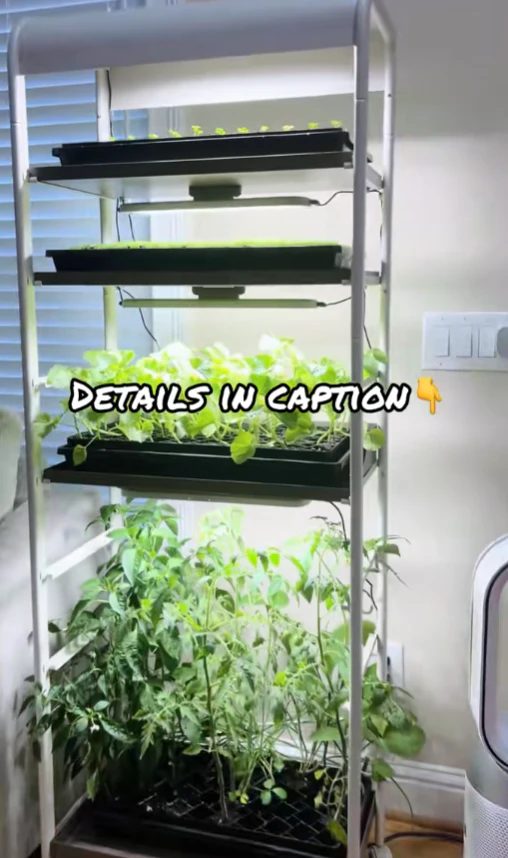
These often come as pre-made kits, featuring several planter boxes stacked vertically on a frame. They offer more soil volume than pockets, making them suitable for slightly larger herbs like rosemary or small basil plants. They often have a modern look.
10. Trellis with Hanging Pots
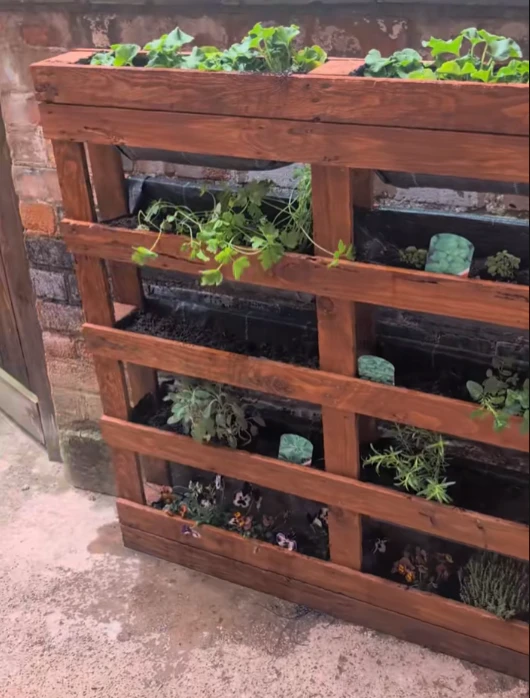
Install a simple wooden or metal trellis against a wall. Instead of growing climbing plants, use S-hooks to hang small pots filled with your favorite herbs. This creates a flexible and easily changeable display. It’s a technique I recommend in my guide to using trellises for vegetables, but it works great for herbs too!
11. Living Wall Frame
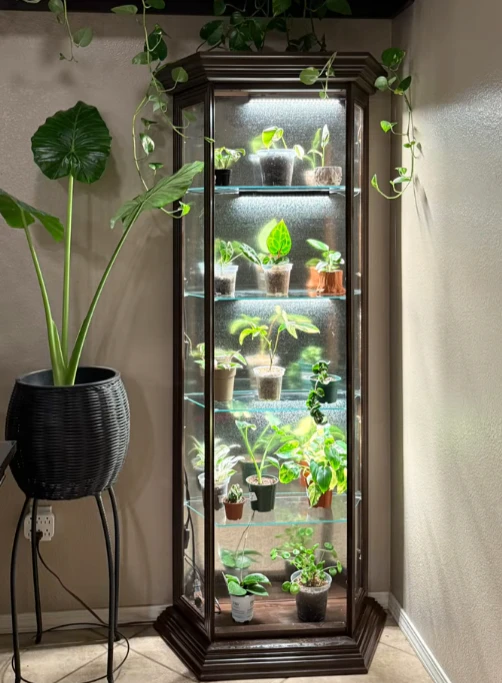
These are like picture frames designed to hold soil and plants, usually succulents or small, drought-tolerant herbs like thyme. They create a stunning piece of living wall art, perfect for indoors or a sheltered patio. They do require careful watering.
12. Concrete Block Tower
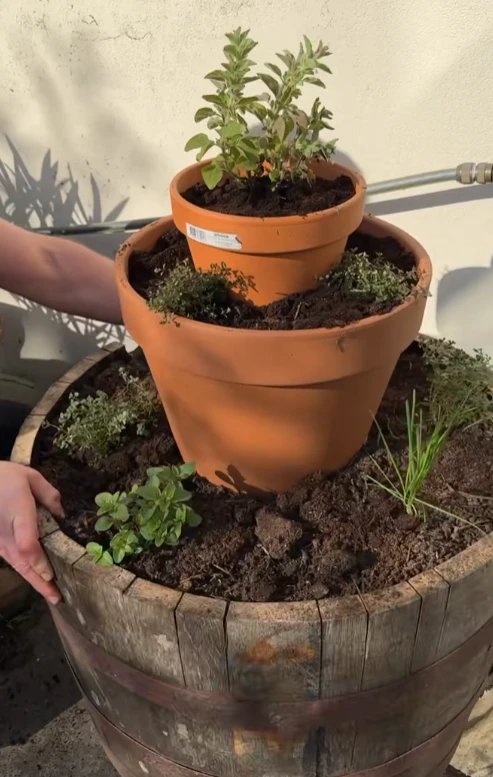
Similar to the DIY plant stand idea using cinder blocks, you can stack them strategically, leaving openings to fill with soil and plant herbs. The blocks retain heat, which some herbs like rosemary appreciate. Painting them can create a very modern look.
13. Hanging Basket Tiers
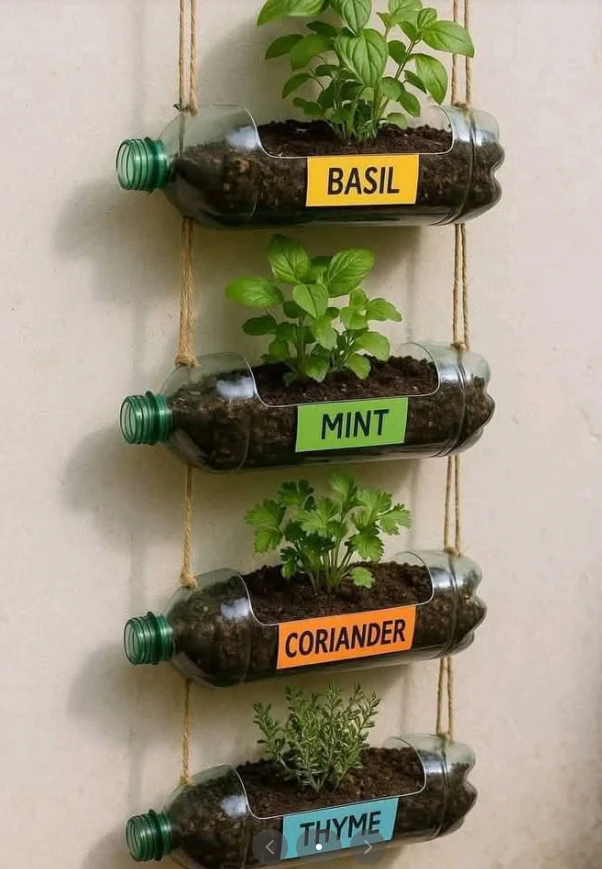
Use a sturdy S-hook system to hang multiple hanging baskets one below the other. Plant trailing herbs like creeping thyme or prostrate rosemary in the lower baskets for a beautiful cascading effect.
14. Window Box Shelves
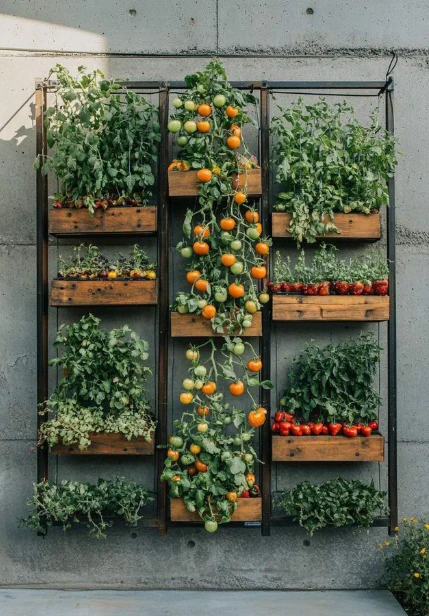
Mount several window boxes vertically on a wall using sturdy brackets. This provides good soil depth and a classic look, suitable for a wide range of herbs.
15. Repurposed Shutter Planter
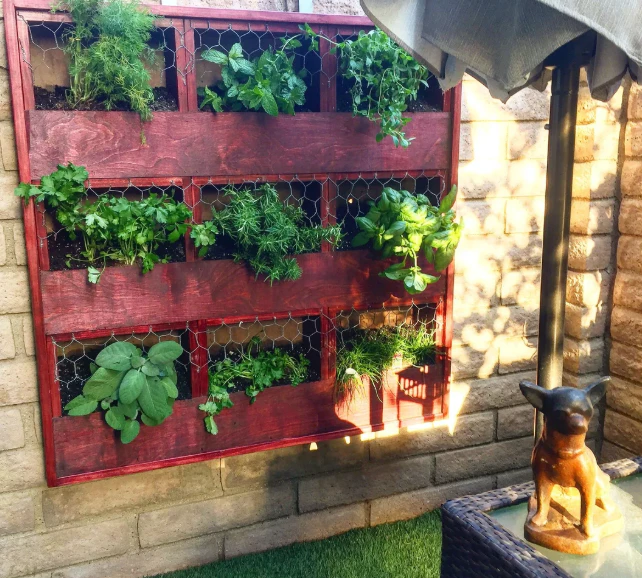
Find an old wooden shutter with adjustable louvers. Mount it vertically, create small pockets behind the louvers with landscape fabric, and plant small herbs. It adds fantastic vintage charm.
16. Bookshelf Herb Garden
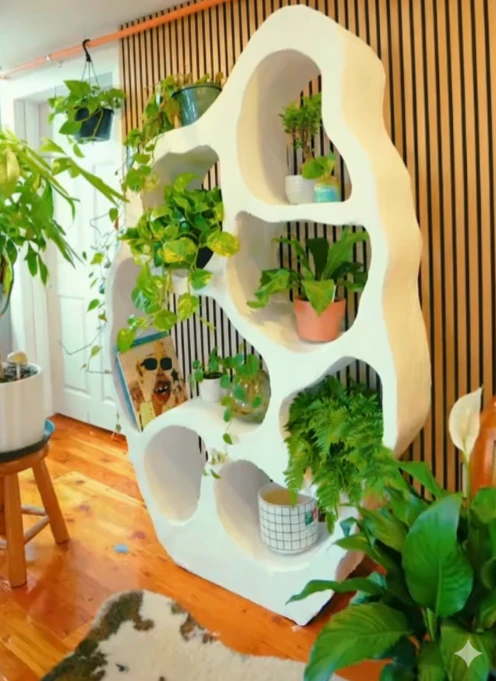
A narrow, open-backed bookshelf placed against a sunny wall can become an instant vertical herb garden. Just make sure the shelves can handle moisture (use trays under pots!).
(H2) Quick Tips for Vertical Herb Success
Growing vertically has a few unique considerations:
- Light is Still King: Most herbs need at least 6 hours of sun. Position your vertical garden in the sunniest spot possible, or supplement with grow lights if growing indoors.
- Watering Wisely: Vertical gardens, especially those with small pockets or fabric containers, tend to dry out much faster than pots on the ground. Check moisture daily and water thoroughly when needed. Drip irrigation can be a lifesaver here.
- Choose the Right Soil: Use a high-quality, lightweight potting mix, not heavy garden soil. Good drainage is crucial. Our DIY potting mix recipe works great.
- Feed Regularly: Because you’re watering frequently, nutrients wash out faster. Feed your herbs with a diluted liquid fertilizer every 2-4 weeks during the growing season.
(H2) Conclusion: Reaching New Heights with Fresh Flavors
Don’t let a lack of ground space stop you from enjoying the incredible taste and aroma of fresh herbs. Vertical gardening opens up a whole new world of possibilities, turning overlooked walls and fences into productive and beautiful mini-gardens.
I hope these 16 ideas have sparked your imagination. Pick one that fits your style and space, grab a few pots or build something simple, and start growing up. The satisfaction of snipping your own fresh herbs for dinner is closer than you think.