

Why Indoor Plants Are Dying in Winter (And How to Save Them)
Winter is widely considered the toughest season for indoor gardening. Every year, millions of plant parents face the same frustrating issues: leaves turning yellow, stems drooping, growth stalling, leaves dropping off, or plants that suddenly look lifeless. Many people instantly blame themselves, thinking the plant is sick or they are “bad at gardening,” but in most cases, the harsh winter environment inside the home is the real culprit.
If your indoor greenery is struggling this season, you are certainly not alone. The silver lining is that most winter-related plant issues are both preventable and reversible. Once you understand exactly how the season changes your home’s environment and how plants react to it, saving them becomes a much simpler task.
In this article, you’ll learn why indoor plants die in winter, how to spot the early warning signs, and exactly what steps you can take to keep your leafy friends healthy until spring arrives.
Why Indoor Plants Are Dying in Winter
Indoor plants might seem safe and cozy inside your house, but winter shifts the indoor environment in ways that plants naturally dislike. Even though they are protected from snow and frost outside, several hidden stressors inside can damage them during the colder months.
Related: 7 Amazing Houseplants That Make Your Home Healthier
1. Reduced Sunlight
One of the biggest hurdles during winter is the lack of quality light. The days are shorter, and the sunlight itself is weaker and sits lower in the sky. Since most indoor plants rely on bright, indirect light to photosynthesize and generate energy, this drop in light levels causes them to slow their growth dramatically.
This biological slowdown means your plants now need:
- Significantly less water
- Little to no fertilizer
- Less overall maintenance
However, many plant owners make the mistake of treating their plants the same way they did in summer, which creates serious problems.
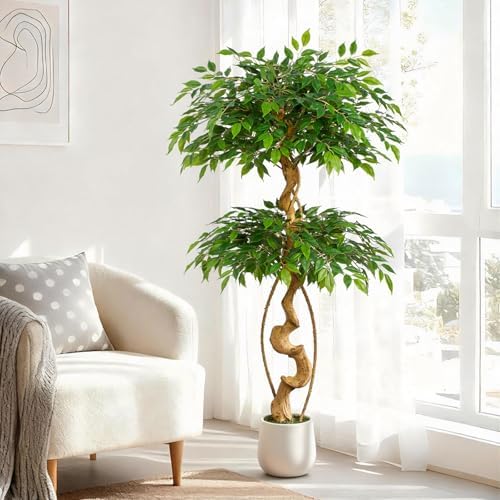
- Lush and Realistic Design: This 5ft ficus artificial Tree features 1488 silk leaves with curved trunk, offering a vibran…
- Perfect Size for Indoor Decor: Standing at an impressive 60 inches tall, this tall artificial tree provides height and v…
- Sturdy & Stylish Planter: The fake tree is 5ft tall which comes with a durable white pot measuring 8″ x 7″ x 6″, offerin…
2. Overwatering (The #1 Winter Plant Killer)
Without a doubt, overwatering is the leading reason indoor plants die during winter. Because plants enter a “rest mode” and grow slowly in cold months, their roots absorb much less water than usual. This causes the soil to stay wet for too long, which suffocates the roots and leads to root rot.

Common signs of overwatering include:
- Yellowing leaves (often starting at the bottom)
- Soft, mushy, or black stems
- Soil that smells musty or damp
- Green leaves dropping off suddenly
Ironically, when people see a plant looking “sad,” their instinct is to give it more water, which only accelerates the damage.
3. Cold Temperatures and Drafts
Indoor plants are incredibly sensitive to temperature swings. Cold drafts leaking in from windows, doors, or poorly insulated walls can send plants into shock, even if the room feels warm enough to you.
On the flip side, placing plants too close to artificial heat sources like radiators, fireplaces, or space heaters exposes them to hot, dry air that scorches their leaves and dehydrates their roots. Sudden fluctuations between hot and cold are especially harmful.

Most indoor plants thrive in stable temperatures between 65–75°F (18–24°C).
4. Low Humidity
Winter air inside modern homes is notoriously dry due to central heating systems running constantly. Many of our favorite houseplants (like Monsteras and Ferns) are native to tropical regions where humidity is high. When indoor humidity plummets, plants lose moisture through their leaves much faster than their roots can drink it up.
Low humidity often results in:
- Brown, crispy leaf edges or tips
- Leaves curling inward
- General drooping of foliage
5. Natural Dormancy
It is important to remember that many plants naturally slow down or enter a state of semi-dormancy in winter. During this phase, they prioritize survival over producing new leaves. This is a normal biological cycle, but it means plants cannot handle heavy watering, feeding, or the stress of being repotted.
Signs Your Indoor Plant Is Dying in Winter
Winter plant stress doesn’t happen overnight; it usually develops slowly. Keep an eye out for these common warning signs:
- Yellow or pale, washed-out leaves
- Leaves falling off with the slightest touch
- Drooping or limp stems that don’t perk up after watering
- Brown leaf tips or crispy edges
- Absolutely no new growth for several weeks
Seeing one or two of these signs doesn’t necessarily mean your plant is doomed, but it is a clear signal that your care routine needs an immediate adjustment.
How to Save Indoor Plants in Winter (Step-by-Step)
Saving indoor plants in winter is often about doing less, not more. Follow these actionable steps to help your plants recover and survive.
1. Water Less, But Water Correctly
Throw away your schedule and always check the soil before watering. Insert your finger about two inches deep into the pot:
- If the soil feels dry: Go ahead and water lightly.
- If it feels moist or cool: Wait a few more days and check again.
Always ensure your pots have drainage holes so excess water can flow out freely. Never leave plants sitting in a saucer full of standing water.
Pro Tip: Use room-temperature water. Ice-cold tap water can shock sensitive plant roots.
2. Improve Light Exposure
Since the sun is weaker, move your plants closer to the brightest windows in your home. South-facing windows typically offer the best light during winter. If your natural light is limited, try rotating your plants a quarter turn every week so all sides receive equal light.

Be careful, though avoid placing plants directly against freezing cold glass panes, especially at night.
3. Protect Plants from Cold and Heat
You need to find a “sweet spot” for your plants. Keep them away from:
- Drafty windows, doors, and entryways
- Air conditioning or heating vents
- Radiators, heaters, and fireplaces
If necessary, move plants slightly deeper into the room at night to avoid the cold, and move them closer to windows during the day for light.
4. Increase Humidity Naturally
You don’t need to buy expensive humidifiers to fix dry air. Simple, low-cost methods include:

- Placing a bowl of water near your plants (evaporation adds moisture)
- Using “pebble trays” filled with water under your pots
- Grouping plants together (they create their own micro-climate)
Even a small increase in humidity can significantly reduce leaf crisping.
Related: 15 Vegetables You Can Easily Grow Indoors for Fresh Harvest
5. Stop Fertilizing During Winter
Most indoor plants do not need any food in winter. Forcing them to grow with fertilizer during their dormancy period can burn their roots and result in weak, leggy growth. Pause all feeding and resume only in spring when you see new leaves forming.
6. Avoid Repotting in Winter
Repotting is a traumatic experience for a plant and should generally be avoided during winter unless it is an emergency (like severe root rot). Wait until spring when the plant’s energy is high and it can recover quickly.
Common Winter Mistakes That Kill Indoor Plants
To keep your green friends alive, avoid these common errors that lead to winter plant death:
- Watering on a strict weekly schedule instead of checking the soil.
- Assuming yellow leaves always mean the plant is thirsty (it’s often the opposite!).
- Using freezing cold water straight from the tap.
- Keeping plants too close to heaters or drafts.
- Repotting or pruning heavily while the plant is resting.
Correcting these small habits can save most indoor plants very quickly.
Best Indoor Plants That Survive Winter Easily
If you find yourself struggling to keep plants alive during the colder months, try switching to hardy, low-maintenance varieties such as:

- Snake Plant: Tolerates low light and neglects water easily.
- ZZ Plant: Extremely drought-tolerant and tough.
- Pothos: Adapts beautifully to various indoor conditions.
- Peace Lily: Handles low light situations better than most flowering plants.
These plants are incredibly forgiving and are ideal for beginners dealing with winter conditions.
Frequently Asked Questions
Should I water indoor plants less in winter?
Yes. Most indoor plants need significantly less water in winter because their growth rate slows down, and they consume less moisture.
Should I water indoor plants less in winter?
Yes. Most indoor plants need significantly less water in winter because their growth rate slows down, and they consume less moisture.
Can indoor plants die from cold rooms?
Yes. Temperatures that drop below 55°F (13°C) can damage the cell structure of many houseplants, especially tropical varieties.
Is leaf drop normal in winter?
Some minor leaf drop is normal as plants adjust to lower light, but heavy leaf loss usually indicates stress from overwatering, cold drafts, or lack of light.
Should I fertilize indoor plants in winter?
In most cases, no. You should only fertilize during active growth seasons like spring and summer to avoid root burn.
Final Thoughts
Indoor plants don’t die in winter because you are a careless owner they struggle because winter creates a difficult, unnatural environment inside our homes. By simply adjusting your watering habits, maximizing light, and managing temperature and humidity, you can protect your plants and help them survive until spring returns.
Winter plant care is essentially an exercise in patience and observation. Small changes make a massive difference, and you’ll find that most indoor plants will bounce back with vigor once the warmer days return.


