Herbs That Grow Well Together Companion Planting Guide
For gardening enthusiasts who want to get the most out of their herb garden, there are various approaches that can be applied. Companion planting follows the same principle as crop rotation. In addition to maximizing herb garden spaces by growing various herbs at once without having to devote an entire garden bed to them, companion plants offer an herb garden an opportunity to thrive. That said, let’s look at the advantages of herb garden companions.
- Key Takeaways
- The Science of Herb Companion Planting.
- Advantages of Companion Planting in Herb Gardens
- How Herbs Can Help Growth of Each Other
- Herbs That Grow Well Together: Perfect Pairings
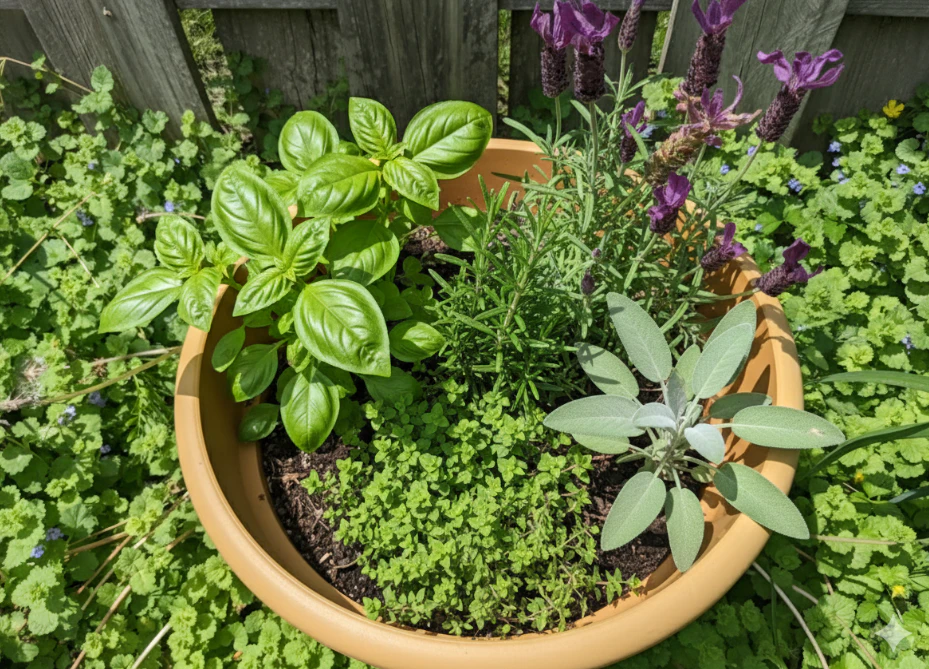
- Mediterranean Herb Companions: Rosemary, Thyme, and Sage
- Basil's Best Friends: Oregano, Parsley, and Cilantro
- Mint Family Companions and Considerations
- Herbs that Repel Pests and Protect Your Garden
- Herb Mixtures that Repel Garden Pests
- Companion Herb Garden Design
- Establishing a Flourishing Herb Garden through Companion Planting
- Conclusion
Key Takeaways
- Companion planting increases the effectiveness of herb gardening.
- Some herb pairings may help enhance flavor and texture.
- Herb pairings may assist with pest resistance.
- Having a well-planned herb garden can both be aesthetically appealing and functional.
- Companion planting is an organic and successful gardening method.
The Science of Herb Companion Planting.
The science of herb companion planting has long been known to increase the efficacy of your herb garden by understanding herb interactions. Herb gardeners can gain from the interactions that occur in herb companion planting. Herb gardeners should familiarize themselves with the interactions that occur in herb garden plants.
Advantages of Companion Planting in Herb Gardens
Companion planting in herb gardens offers various advantages. These include the use of herbs that act as a repellent to pests that consume herbs. Some herbs may add flavor or texture to an herb. For instance, basil can be used to improve the flavor of tomatoes.
How Herbs Can Help Growth of Each Other
Herbs help each other’s growth in several ways. Some herbs like mint tend to spread out and may shade the soil. This may suppress growth of weeds and retain soil moisture. Some herbs like rosemary may enhance the flavor of other herbs.
Additionally, it may possess qualities that help prevent certain pests from growing. can also improve the flavor of herbs that may be nearby and may have growth-inhibiting properties against some pests.
improve the flavor of nearby herbs and may even have properties that inhibit the growth of certain pests.
| Herb | Benefit | Companion Herbs |
| Basil | Improves flavor, repels pests | Tomatoes, oregano, parsley |
| Mint | Repels pests, shades soil | Cilantro, dill, chamomile |
| Rosemary | Improves flavor, repels pests | Sage, thyme, lavender |
Through understanding the science of companion planting and knowing the appropriate herbs that should be paired together, gardeners can create a diverse and thriving herb garden.
Herbs That Grow Well Together: Perfect Pairings
Planting herbs alongside each other can prove to be an ideal strategy for improving herb growth and overall herb health, as long as the herb pairings work well. Herb pairings can create an ideal herb garden environment. Another gardening concept that uses herb pairing as an herb garden technique includes herb garden companion planting. Companion planting is an herb garden technique.
Mediterranean Herb Companions: Rosemary, Thyme, and Sage
Mediterranean herbs such as rosemary, thyme, and sage are enjoyed due to their scent and cooking properties.
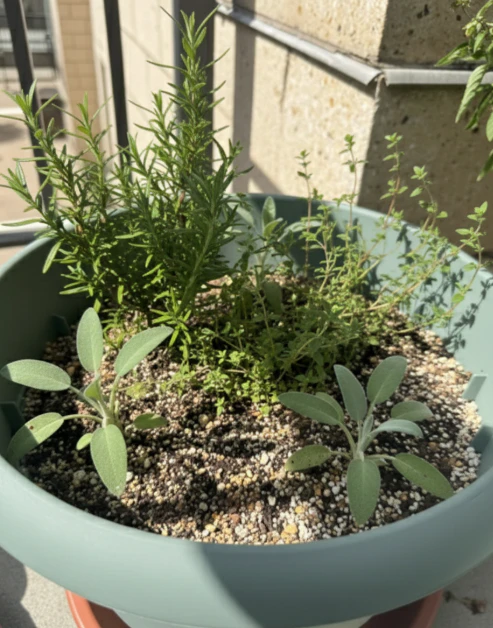
The plants can thrive in dry climates and can be combined for a fragrant herb garden. Rosemary and thyme can be planted together as both like well-drained soil and full sun. Sage can also be added to the list of herb pairs since it has similar preferences.
Rosemary and thyme can be paired as rosemary grows high above the ground. This offers shade to the thyme and lowers soil temperature.
The shade helps retain soil moisture. Additionally, thyme’s foliage prevents weeds from growing that may compete with rosemary and sage for soil moisture and nutrients. These factors make rosemary and thyme an ideal herb pair. Similarly, sage herb can be paired with rosemary and thyme due to similar garden preferences.
Basil’s Best Friends: Oregano, Parsley, and Cilantro
Basil is an herb that can commonly be used in cooking, and it can be grown alongside other herbs to increase the yield of basil. Oregano can be grown alongside basil since it helps protect it from pests like aphids and whiteflies.
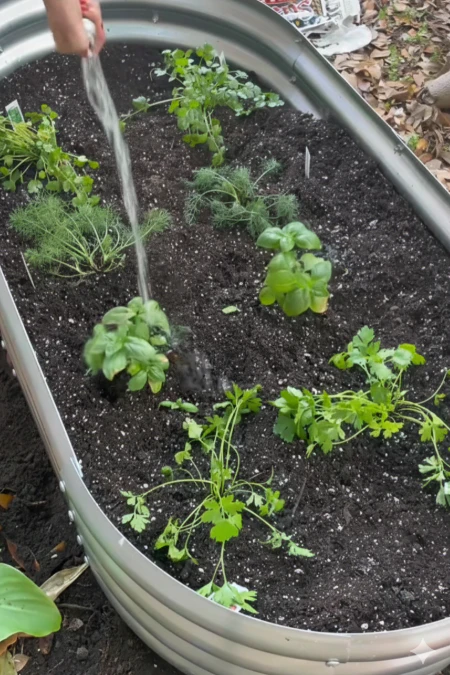
Another herb that can be grown alongside basil is parsley and cilantro since it grows in a different manner. Additionally, basil grown alongside oregano may add to the flavor of the herb since oregano contains a strong flavor that may increase the scent of the garden. In contrast, parsley and cilantro may increase the population of beneficial insects that may feed on those pests that target basil.
Mint Family Companions and Considerations
The mint family of plants includes such popular herbs as peppermint, spearmint, and chocolate mint. Although mint may be considered an invasive herb in gardening terms, it can also be used in combination with other herbs to create a pleasant and colorful garden design.
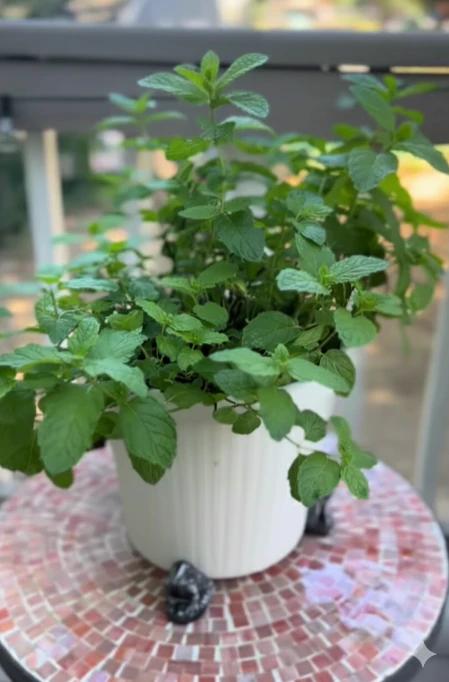
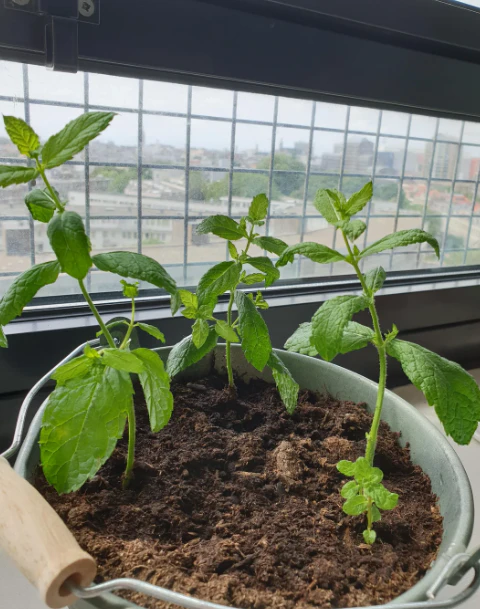
In order to prevent mint from becoming an invasive problem in gardening, it may be helpful to plant it in pots. Mint may be used in conjunction with such herbs as lemon balm and bee balm to create a colorful and fragrant garden design.
In order to prevent it from becoming an invasive problem in gardening, it may be helpful to keep it pruned. This may be another reason that the herb mint may be better off on its own as discussed in the next section. The next section of this paper discusses herb gardeners.
Herbs that Repel Pests and Protect Your Garden
By combining the strategic planting of various herbs in your garden, you can develop an effective garden ecosystem that keeps pests at bay. Planting herbs in your garden as companions helps your garden get rid of pests as well as infections. By working on your garden environment in this manner, you ensure that your garden supports biodiversity. These tips work alongside those from our Slugs & Snails article
Herb Mixtures that Repel Garden Pests
Herb mixtures have been identified as potent garden pest repellents. For instance, basil herb can act as an aphid and mite garden pest repellent.
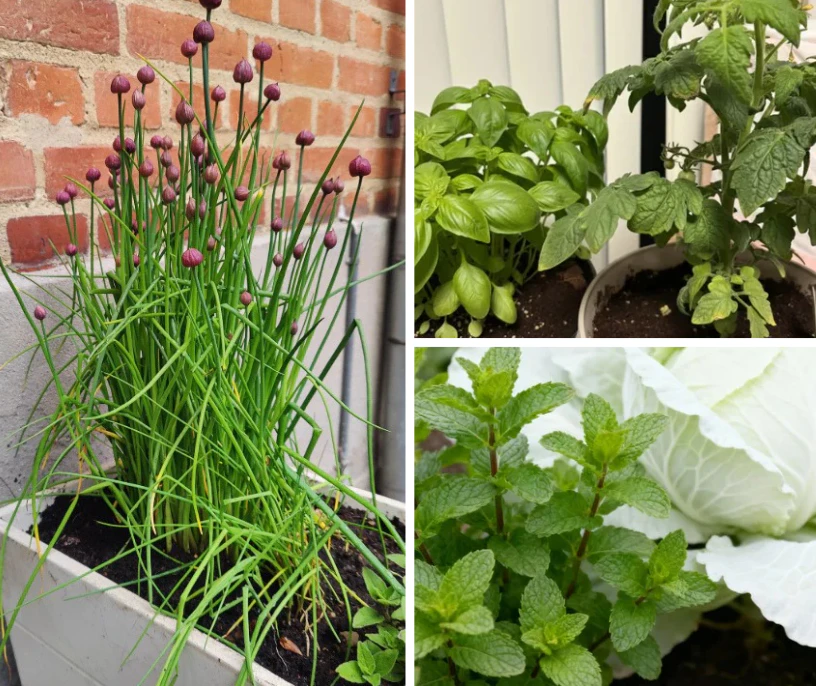
Mint herb, on the other hand, can serve as an ant and aphid garden pest repellent. Chives herb has been identified as an aphid garden pest repellent. Using these herb mixtures may prove an effective garden pests management strategy. These herb mixtures include: Some effective pest-repelling herb combinations include:
Some effective pest-repelling herb combinations include:
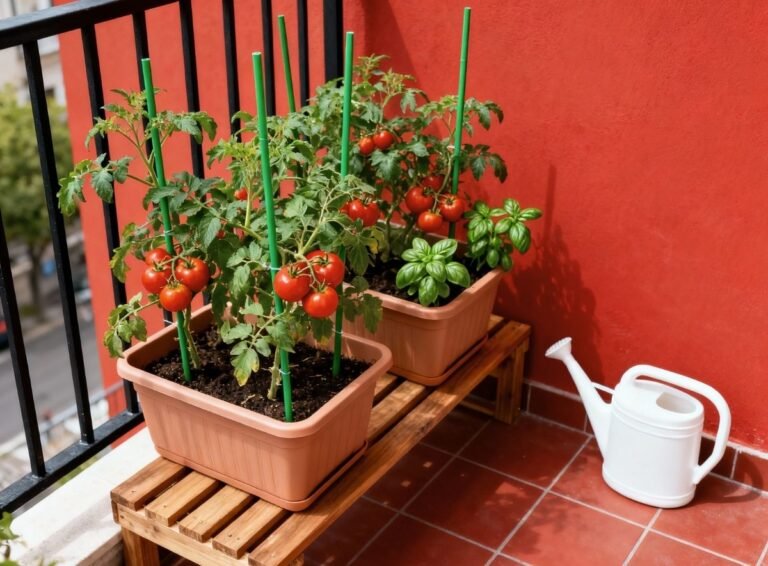
- Basil and tomatoes: Basil repels whiteflies and aphids that target tomatoes.
- Mint and cabbage: Mint repels cabbage moths and other pests that damage cabbage and related crops.
- Chives and roses: Chives help protect roses from aphids and other pests.
| Herb Combination | Pest Repelled | Benefit |
| Basil & Tomatoes | Whiteflies, Aphids | Healthier tomato plants |
| Mint & Cabbage | Cabbage Moths | Reduced cabbage damage |
| Chives & Roses | Aphids | Protected rose plants |
Herbs That Attract Beneficial Insects
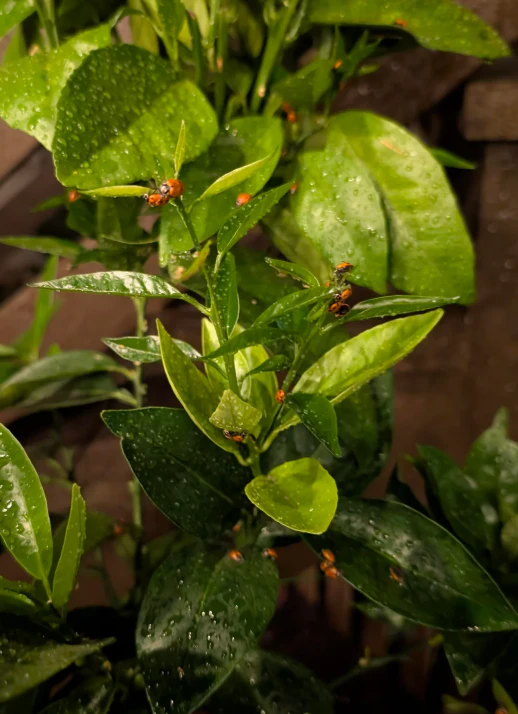
Besides being used for controlling pests in your garden, some herbs also have the ability to attract beneficial insects that may assist in protecting your garden. For example, dill herb can attract ladybugs that eat aphids, and fennel herb can attract parasitic wasps that attack caterpillars. Herb examples that attract beneficial insects include:
- Dill: Attracts ladybug beetles and lacewings.
- Fennel: Attracts parasitic wasps.
- Parsley: This herb attracts helpful insects such as hoverfly. The addition of such plants in your garden helps you develop a healthy ecosystem that regulates pests. This perfectly matches the theories underlying our Companion Planting (Vegetables).
Companion Herb Garden Design
For your herb garden to be successful and healthy by design, there needs to be an understanding of herb interactions. Using your knowledge of herb interactions will not only create a beautiful herb garden but ensure your herbs taste better and enjoy improved health.
Container Companion Planting for Small Gardens
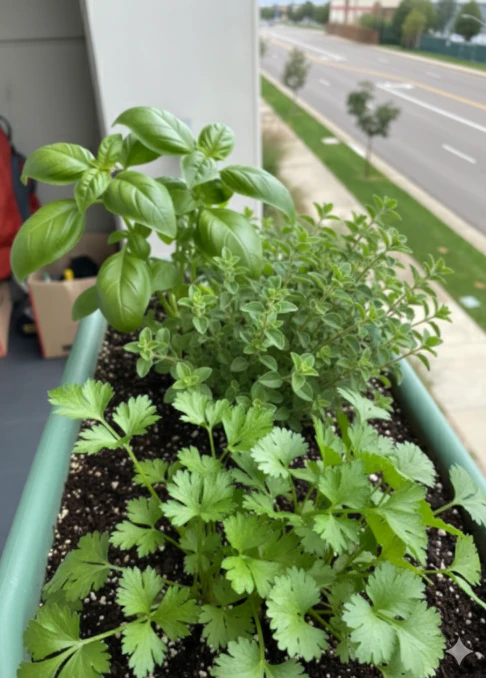
For those gardeners who may have limited garden space, container gardening offers an ideal solution for starting a container herb garden. In herb container gardening, it’s important that herbs that require similar conditions be paired. For instance, planting mint and basil side by side in a container garden offers an ideal aesthetic.
Another consideration that gardeners may want to observe when it comes to growing herbs in a container garden is that of combining herbs such as mint. In such instances, it may be ideal to use separate containers. More on that in the Container Gardening section.
Raised Bed Designs for Herb Companion Planting
Raised beds also represent another design alternative that can be used to create an herb garden that utilizes herb companions.
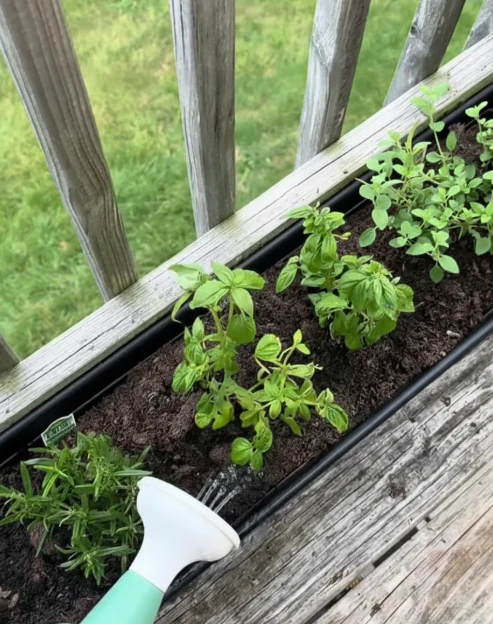
Raised beds offer improved drainage and soil aeration that may be needed by certain herbs such as rosemary or thyme.
In arranging a raised bed garden, it should be considered that certain herbs may be taller than others. For example, an herb garden may include taller herbs such as sage, as well as others such as parsley that only grow to be shorter. Similarly to above, explore ideas to Raised Bed Ideas.
Seasonal Factors of Herb Companion Planting
In companion herb gardening, it’s important to take into consideration the seasonal factors that herb plants undergo. Some herb plants such as cilantro tend to bolt when it’s hot, while others such as rosemary remain strong throughout the seasons.
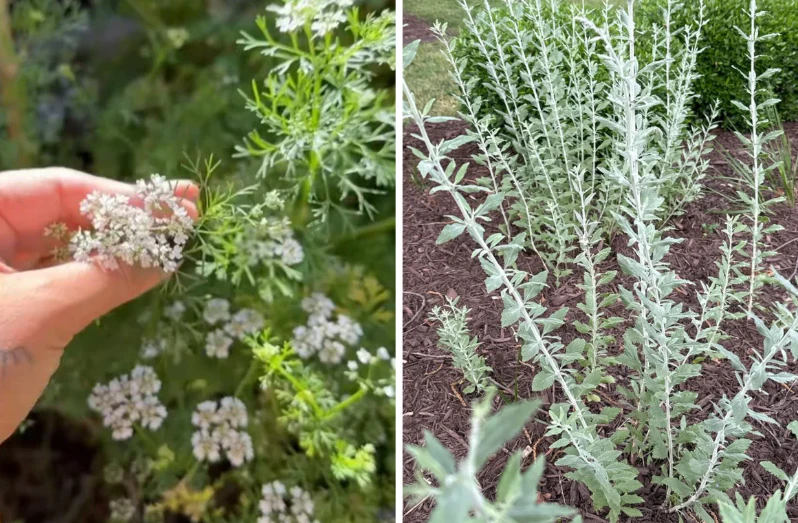
Through understanding the seasonal factors of herb plants, you’ll be better positioned to plan your garden accordingly.
For instance, during cooler seasons, you’ll cultivate strong herb plants such as sage and thyme. In contrast, during hot seasons, you’ll cultivate herb plants such as basil. Preparing for cooler seasons is discussed in our Indoor Garden section.
Establishing a Flourishing Herb Garden through Companion Planting
Through herb companion planting, it is possible to develop a rich herb garden ecosystem. Herb garden companion planting not only helps plants develop well but also increases the taste and scent of these plants.
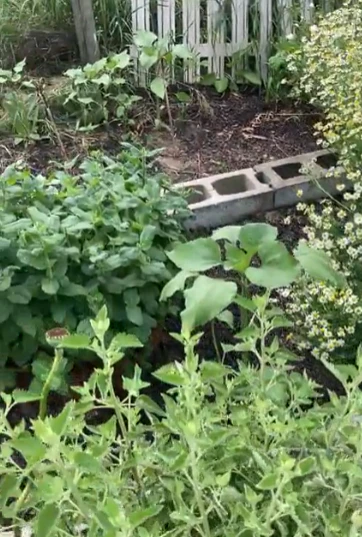
Various herbs that develop well by herb garden companion planting include rosemary plants and thyme. These herbs should be planted alongside others that complement each of these plants in order to develop a successful herb garden ecosystem.
Mixing various herbs for garden plants could assist you in developing an ideal herb garden combination.
Conclusion
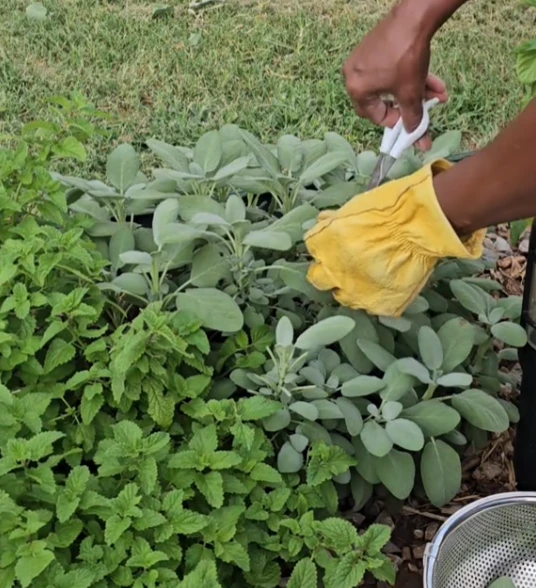
As you plan your herb garden companion, take advantage of the principles of container herb gardening, herb garden bed designs, and seasonal factors.
In this way, you’ll be able to create a balanced herb garden that will yield fresh herbs for your cooking. Begin your exploration of herb garden companions and discover the true possibilities of your garden. In a short while, you’ll be able to enjoy an abundant harvest of your aromatic herbs.