Plant Now for Spring Beauty: A Beginner’s Guide to Fall-Planted Bulbs
For me, the end of the summer garden is always a little bittersweet. There’s a certain beautiful sadness in pulling out the last of the tomato vines and seeing the vibrant colors of summer fade away. But over the years, I’ve learned that fall isn’t just about endings; it’s also a secret season of beginnings. Planting bulbs in the cool, welcoming autumn soil is an act of pure hope a quiet promise you make to your future self that spring, with all its vibrant, glorious color, will return.
It feels like burying little treasures. You tuck these funny-looking, onion-like things into the ground, and then you wait. You trust. And after the long, quiet sleep of winter, your faith is rewarded with the most spectacular flower show imaginable.
In this guide, I want to demystify this simple, magical process. I’ll share everything I’ve learned—the successes and the squirrel-related heartbreaks and walk you through the exact steps to ensure your garden puts on an unforgettable performance next spring.
Best Soil for Planting Fall Bulbs
One of the most common reasons fall bulbs fail to bloom in spring is poor soil drainage. Bulbs sit underground for months, and if the soil stays wet, they can easily rot before spring arrives.
The best soil for planting fall bulbs is loose, well-draining soil that allows excess water to escape. Heavy clay soil should be improved with compost or sand before planting.
Ideal soil conditions for fall bulbs:
- Well-draining garden soil
- Organic compost for nutrients
- Slightly loose texture (not compacted)
- Neutral to slightly acidic pH
Using the right soil dramatically increases your chances of strong spring blooms.
- The Secret Life of a Bulb: Why We Plant in the Fall
- Meet the Stars of the Spring Garden: My 5 Easiest Bulbs for Beginners
- The 5 Simple Steps to Planting Bulbs for a Perfect Spring Show
- A Little Design Magic: Planting Bulbs Like a Pro
- Common Problems When Planting Fall Bulbs (And How to Avoid Them)
- Conclusion: An Investment in Future Happiness
The Secret Life of a Bulb: Why We Plant in the Fall
It seems counterintuitive, doesn’t it? Planting flowers just as the world is preparing for a deep freeze. For years, I didn’t understand the science, I just followed the instructions. But knowing the “why” makes the process so much more fascinating.

Think of a spring-blooming bulb as a tiny, self-contained plant with its own packed lunch. Inside that bulb is everything the plant needs to produce its first leaves and a beautiful flower. But to trigger this amazing process, it needs one crucial thing: a long period of cold.
This is called the “chilling period“ or vernalization. When you plant a bulb in the fall, you are allowing it to go through its necessary “long winter’s nap.” The cold temperatures of the soil work a kind of magic inside the bulb, initiating the biochemical changes required to produce a flower stalk. Without this cold treatment, most tulips, daffodils, and crocuses simply won’t bloom. They need this quiet, cold rest to gather the energy for their spectacular spring awakening.
Meet the Stars of the Spring Garden: My 5 Easiest Bulbs for Beginners
Walking into a garden center in the fall can be overwhelming with all the choices. If you’re just starting, my advice is to stick with the classics. These five are reliable, beautiful, and have brought me endless joy.
1. Tulips: The Icons of Elegance
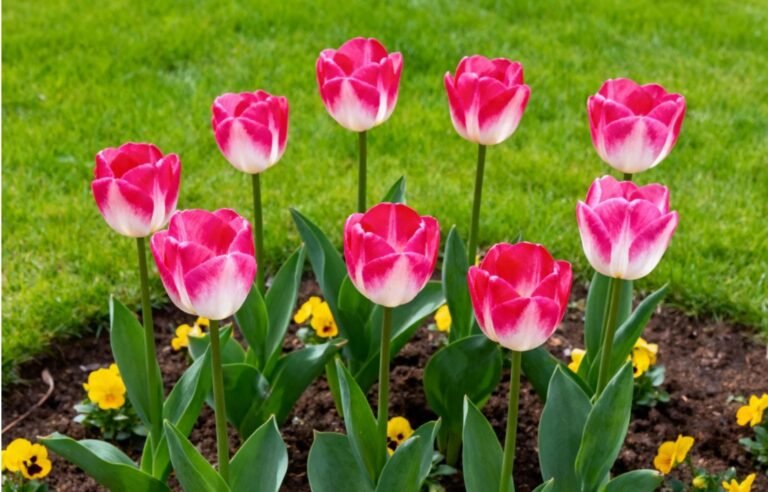
When people think of spring, they often picture tulips. They come in every color imaginable and have a simple, classic elegance that is unmatched. My first attempt with tulips was both a joy and a heartbreak. The ones that bloomed were stunning, but I learned a hard lesson when I discovered several had been dug up and eaten by squirrels, who find them absolutely delicious.

- What I Love About Them: The sheer variety of colors and shapes is endless. They are the perfect flower for creating a bold statement.
- My Go-To Varieties for Beginners: Look for ‘Triumph’ or ‘Darwin Hybrid’ tulips. They are known for being strong, reliable, and having the classic tulip shape.
- A Crucial Tip: To deter squirrels, I now plant my tulips a little deeper (about 8 inches) and sometimes lay a piece of chicken wire over the soil surface after planting, covering it with mulch.
2. Daffodils: The Cheerful and Reliable Sunshine
If I could only plant one type of bulb, it would be the daffodil (also known as Narcissus). Why? Because they are the most cheerful, reliable, and foolproof sign that spring has truly arrived. And best of all, they are critter-proof!
- What I Love About Them: Their sunny yellow and white faces are pure happiness. But the real reason I love them is that squirrels, deer, and other rodents absolutely hate them. They contain a bitter toxin, making them the perfect choice for a garden with wildlife visitors.
- My Favorite Varieties to Try: The classic yellow ‘Dutch Master’ is a can’t-miss choice. For something a little different, try the fragrant, multi-flowered ‘Tete-a-Tete’ which is perfect for pots.
- A Simple Joy: They will multiply over the years (a process called “naturalizing”), so a small patch of daffodils you plant this year will become a larger, more beautiful drift of color in the years to come.
3. Crocuses: The Brave First Responders of Spring
There is a special kind of magic in seeing the first crocus of the year. These small but mighty flowers are so eager to bloom that they often push their way up through a late-spring snow, bringing a splash of purple, yellow, or white to a dormant landscape.
- What I Love About Them: They are the ultimate symbol of hope and resilience. They signal the end of winter like nothing else.
- Varieties to Look For: Any variety of ‘Crocus vernus‘ (Giant Dutch Crocus) is a great choice for a beginner.
- Planting Tip: Because they are small, they look best when planted in large, dense groups or “drifts.” Don’t just plant one or two; plant a cluster of a dozen or more for the biggest impact. They are also perfect for planting in lawns.

4. Hyacinths: The Perfume of the Spring Garden
While many bulbs are a feast for the eyes, hyacinths are a feast for the nose. Their fragrance is one of the most powerful and beautiful scents of spring. A small cluster planted near a doorway or window can fill your home with its sweet perfume on a spring day.
- What I Love About Them: The scent is simply intoxicating. The flowers are also densely packed and come in stunning shades of blue, purple, pink, and white.
- A Word of Caution: The bulbs themselves can be irritating to the skin, so I always recommend wearing gloves when handling them.
- Great for Pots: Hyacinths do exceptionally well in containers, allowing you to place them on a patio or balcony where you can best enjoy their fragrance.
5. Alliums: The Dramatic Fireworks of Late Spring
Alliums, or Ornamental Onions, are the showstoppers. They produce these incredible, globe-shaped purple flowers that stand on tall, straight stems, looking like giant lollipops or purple fireworks.
- What I Love About Them: They add a unique architectural element and a touch of playful drama to the garden. They bridge the gap between the end of the spring bulbs and the beginning of the summer perennials.
- My Favorite Variety: The classic ‘Purple Sensation’ is the most popular for a reason—it’s stunning and reliable.
- Another Critter-Resistant Choice: Because they are part of the onion family, deer and squirrels tend to leave them alone.
The 5 Simple Steps to Planting Bulbs for a Perfect Spring Show
The process of planting bulbs is wonderfully simple and forgiving. Follow these five steps, and you’re almost guaranteed success.

Step 1: Get Your Timing Right for Your Region
The golden rule for planting is to get your bulbs in the ground about 6-8 weeks before the ground freezes solid in your area. For most of Europe and the US, this means anytime from late September through November. The goal is to give the bulbs enough time to grow some roots before winter sets in.
Step 2: Pick the Perfect Spot
Most spring-blooming bulbs need a good amount of sun to produce strong flowers. Remember to think about your garden’s springtime conditions. A spot under a large deciduous tree (one that loses its leaves) is often perfect, as it will be drenched in sun in the early spring before the tree’s leaves grow back.
Step 3: Prepare a Welcoming Bed for Your Bulbs
This is a simple but crucial step. Bulbs have one major enemy: rot. That’s why the most important requirement for them is well-draining soil. You don’t want them sitting in a puddle of icy water all winter.

- The Quick Fix: While we won’t go into heavy detail here, the key is to ensure the soil is loose and not compacted. I always mix in a handful of compost and a little “bone meal” (a natural fertilizer high in phosphorus) into the bottom of the planting hole.
- For a Deep Dive: If you’re starting a brand new garden bed, you can read our complete, step-by-step guide on how to start your yard garden from scratch.
Step 4: The Golden Rule – How Deep to Plant?
This is the question I get asked most often. It’s surprisingly simple to remember:
- The Rule of Thumb: Plant a bulb 2 to 3 times as deep as the bulb is tall. For example, a 2-inch tall daffodil bulb should be planted about 4-6 inches deep. A 1-inch tall crocus bulb should be planted 2-3 inches deep.
- Pointy-Side Up! This is the other critical rule. Most bulbs have a flatter, root-end and a pointed top where the shoot will emerge. Plant them with the pointy end facing the sky. I confess, I once planted a whole bag of tulips upside down. They still grew, but they had to waste a lot of energy making a U-turn underground!
Step 5: Water, Mulch, and Dream of Spring
After you’ve placed your bulbs in the ground, cover them back up with soil, pressing down gently.
- Give Them a Good Drink: Water the area thoroughly right after planting. This helps settle the soil and encourages the roots to start growing.
- Tuck Them In for Winter: After the ground has had its first light frost, I like to cover the bed with a 2-3 inch layer of mulch (shredded leaves or straw work perfectly). This acts as an insulating blanket for the winter.
- Then, Forget About Them: Now comes the easiest—and hardest—part: patience. Trust that magic is happening under the cold soil and dream of the beautiful spring to come.
A Little Design Magic: Planting Bulbs Like a Pro
If you want to take your garden from “nice” to “stunning,” here are a couple of simple design tricks I’ve learned.

- Plant in Drifts, Not Soldier Rows: It’s tempting to plant bulbs in straight, neat lines. My advice? Don’t do it! Bulbs look far more natural and impactful when they are planted in large, informal clusters or “drifts.” A simple trick is to gently toss a handful of bulbs onto the prepared soil and plant them more or less where they land.
- Try “Lasagna” Planting in Pots: This is a brilliant technique for small spaces. Get a large, deep pot. Start by planting your largest, latest-blooming bulbs (like tulips) at the bottom. Add a layer of soil. Then plant your mid-sized, mid-season bulbs (like daffodils). Add another layer of soil. Finish with your smallest, earliest-blooming bulbs (like crocuses) at the top. In the spring, you’ll get a continuous, multi-layered flower show from a single pot!
Common Problems When Planting Fall Bulbs (And How to Avoid Them)
Even when planted correctly, fall bulbs can face problems that prevent them from blooming in spring.
Common issues include:
- Bulbs rotting due to poor drainage
- No blooms because bulbs were planted too shallow
- Damage from squirrels or rodents
- Weak flowers caused by nutrient-poor soil
Most of these problems can be avoided by improving soil drainage, using the correct planting depth, and applying the right fertilizer during planting.
Q: What is the best soil for planting fall bulbs?
Loose, well-draining soil enriched with compost works best.
Q: Can fall bulbs rot over winter?
Yes, bulbs can rot if soil stays wet or drainage is poor.
Q: Do fall bulbs need fertilizer before winter?
Yes, a light application of bulb fertilizer at planting helps.
Q: How deep should fall bulbs be planted?
Most bulbs should be planted 2–3 times deeper than their height.
Conclusion: An Investment in Future Happiness
Planting a bulb in the cool, crisp air of autumn is a profound act of hope. It’s a quiet conversation with the future, a tangible investment in the beauty of a season that seems a long way off. It has taught me more about patience and trust than almost any other gardening task.
When that first crocus pushes its way through the last of the snow, or when that first cheerful daffodil opens its face to the sun, you’ll feel a jolt of pure joy. You’ll remember this quiet autumn day and be so glad you took the time to bury these little treasures. You didn’t just plant a flower; you planted a promise of spring.