

15 Mosquito Repelling Plants That Actually Work (Backed by Science)
As spring fades into summer, spending time outdoors becomes one of life’s absolute simplest pleasures. Whether you are hosting a weekend BBQ family or friends, gardening, or relaxing on the patio, the weather is perfect.
But there is one tiny, buzzing problem that can ruin it all: mosquitoes. Many people immediately turn to harsh chemical sprays to fix this annoying issue.
However, these commercial repellents often come with strong chemical odors, sticky skin residue, and unwanted side effects. That is exactly why more homeowners are searching for natural, plant-based solutions to keep their yards bug-free.
The good news is that certain greenery actually contains natural compounds proven to deter these pests. When used correctly, they can make a massive difference in your outdoor comfort.
In this article, you will learn about 15 mosquito repelling plants that actually work, backed by science. We will also show you exactly how to arrange them for maximum protection.
Do Mosquito Repelling Plants Really Work?
Yes,but you need to have a realistic expectation of how they function. A single potted plant sitting in the corner of your yard will not create a magical forcefield against all bugs.
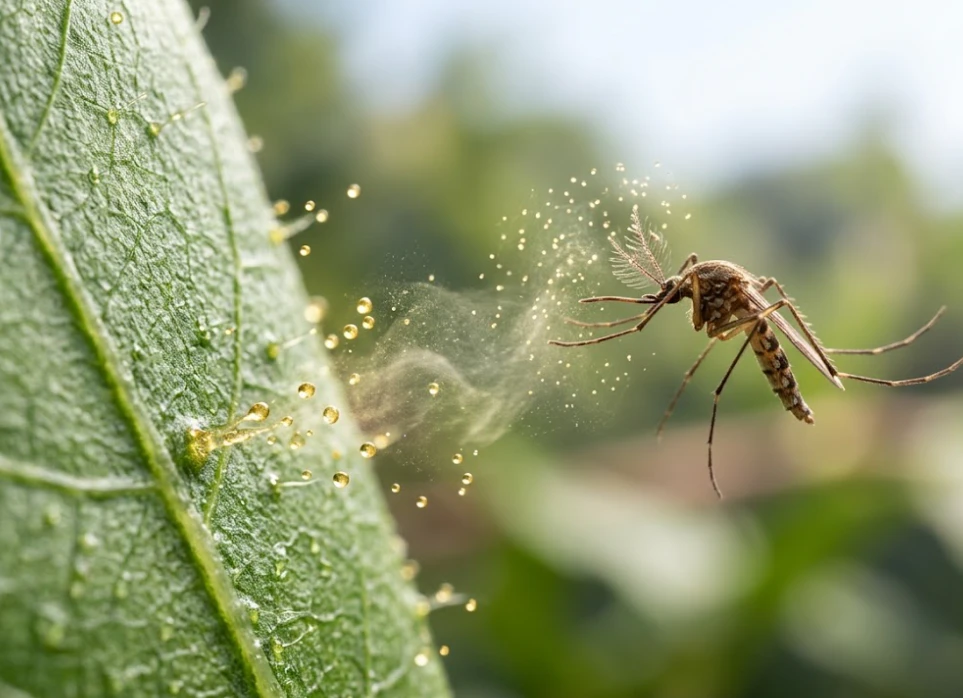
However, many mosquito-repelling plants release highly effective natural compounds that disrupt a bug’s senses. These include:
- Citronellal
- Linalool
- Eugenol
These powerful compounds actively interfere with a mosquito’s ability to detect human scent. If they cannot smell your sweat or carbon dioxide, they cannot bite you.
The repelling effect is incredibly strong when the leaves are physically crushed or when multiple plants are grouped together. Think of these plants as a natural support system, rather than a total replacement for all bug protection methods.
Related: Herbs That Grow Well Together Companion Planting Guide
How to Use These Plants Effectively
To get the absolute best results from your anti-mosquito garden, you cannot just plant them and forget them. Strategic placement and interaction are the keys to success.
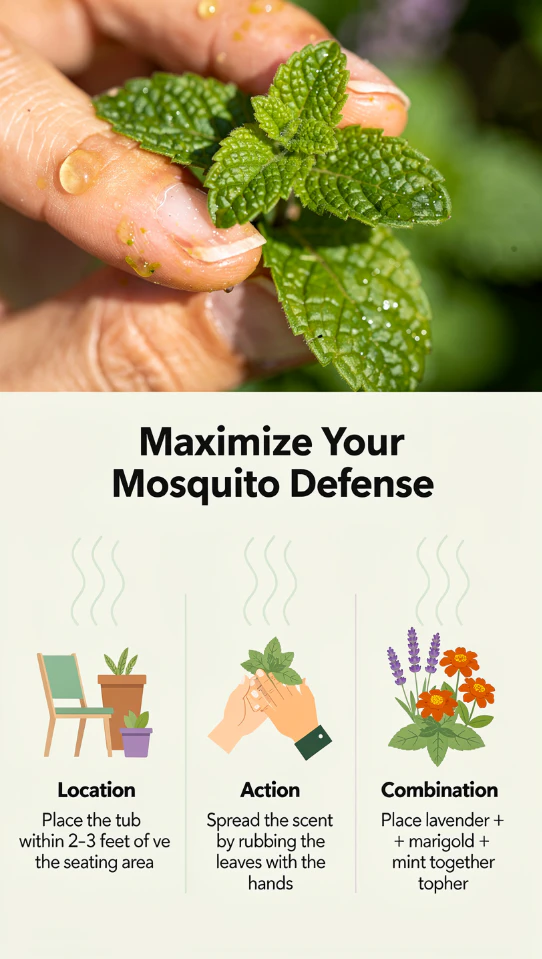
Follow these simple, science-backed tips to maximize your plant power:
- Place near seating areas: Keep pots directly next to your patio chairs, doors, and open windows.
- Use containers: Growing them in pots allows you to move the plants to wherever you are sitting.
- Crush the leaves: Gently rub or crush the leaves with your fingers to release the essential oils into the air.
- Group them together: Mix 3 or 4 different repellent plants in one area for a stronger, combined scent barrier.
Related: Grow Herbs Without Soil! A Super Simple Hydroponic Mason Jar Herb Garden DIY
15 Mosquito Repelling Plants That Actually Work
Here are the top science-backed plants you need to add to your garden or balcony this summer to enjoy a bite-free evening.
1. Lavender
Lavender is famous for its relaxing scent, but mosquitoes absolutely hate it. It contains a high concentration of linalool, a proven mosquito-repelling compound.

While humans find the smell soothing and sweet, insects find it overwhelming. It effectively blocks their ability to smell human skin.
- Ideal Placement: Patios, garden borders, and sunny windowsills.
- Expert Hack: Break off a small piece and rub the oils directly on your pulse points (wrists and neck) for a natural, safe skin repellent.
2. Citronella Grass
Citronella is the most famous natural mosquito repellent in the world. This tall, clumping grass is the direct source of citronella oil, which is used in almost every commercial bug candle.
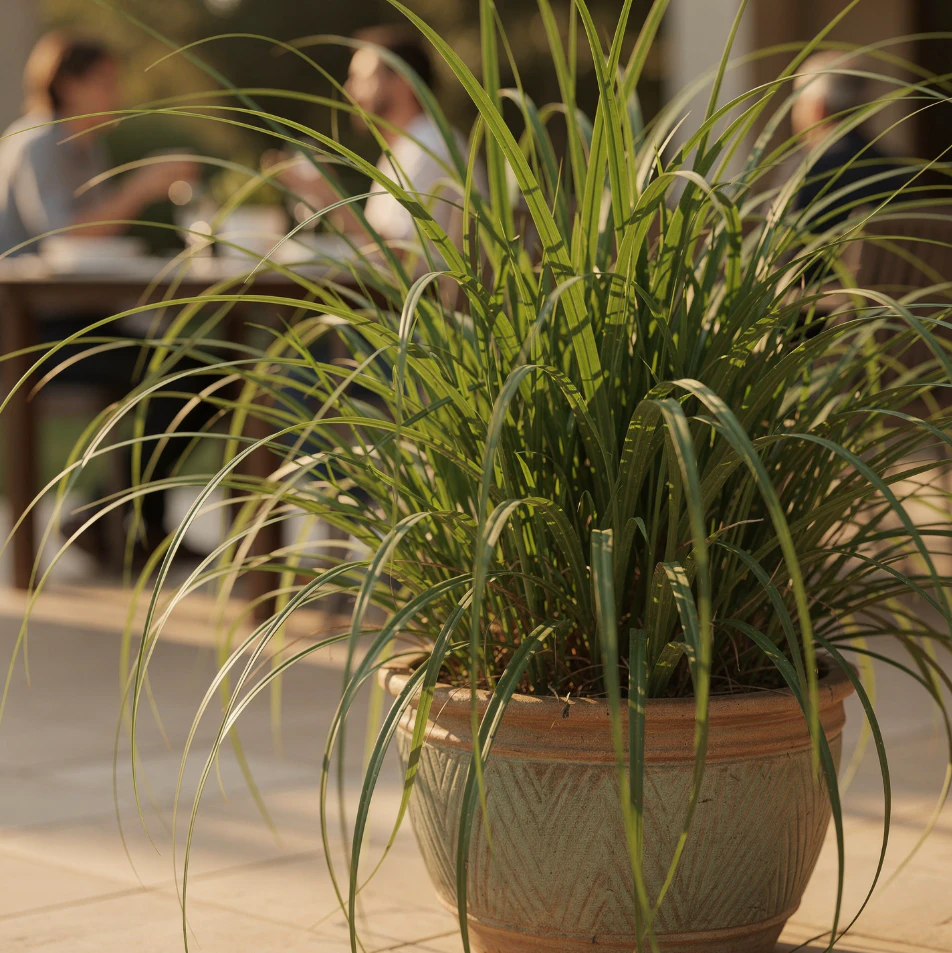
It produces a very strong, lemony-citrus scent that masks the smell of carbon dioxide that humans exhale.
- Where It Thrives: Large outdoor spaces and warm, sunny climates.
- Clever Trick: Plant this tall grass in large mobile containers with wheels, so you can easily roll it right next to your seating area when entertaining guests.
3. Basil
Basil is not just for making delicious pesto; it is a heavy hitter against bugs. The leaves naturally contain eugenol, a compound known to severely irritate insects.
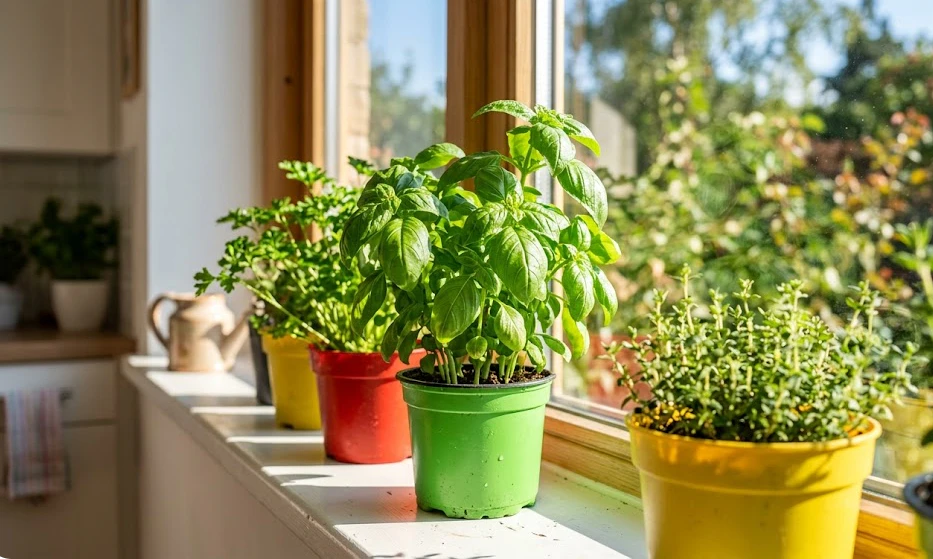
Unlike many other plants, basil releases its strong scent automatically without you having to crush the leaves.
- Perfect Spot: Both indoor kitchen windows and outdoor dining tables.
- Quick Advice: Keep a small pot of basil right in the center of your outdoor dining table. It acts as a beautiful centerpiece and keeps flies and mosquitoes away from your food.
Related: Companion Planting for Beginners: 13 Perfect Pairs for a Healthier Vegetable Garden
4. Mint
Mint is incredibly refreshing for humans, but its strong menthol scent acts as a powerful deterrent for mosquitoes, ants, and spiders.

Because it is a fast-growing and highly aggressive plant, it is incredibly easy to maintain even for beginners.
- Great For: Balconies and controlled container gardens.
- Warning: Never plant mint directly in the ground, as it will aggressively take over your entire garden. Always keep it contained in pots and crush the leaves often.
5. Rosemary
Rosemary offers a beautiful, woody scent that instantly confuses and repels mosquitoes trying to find a human host.
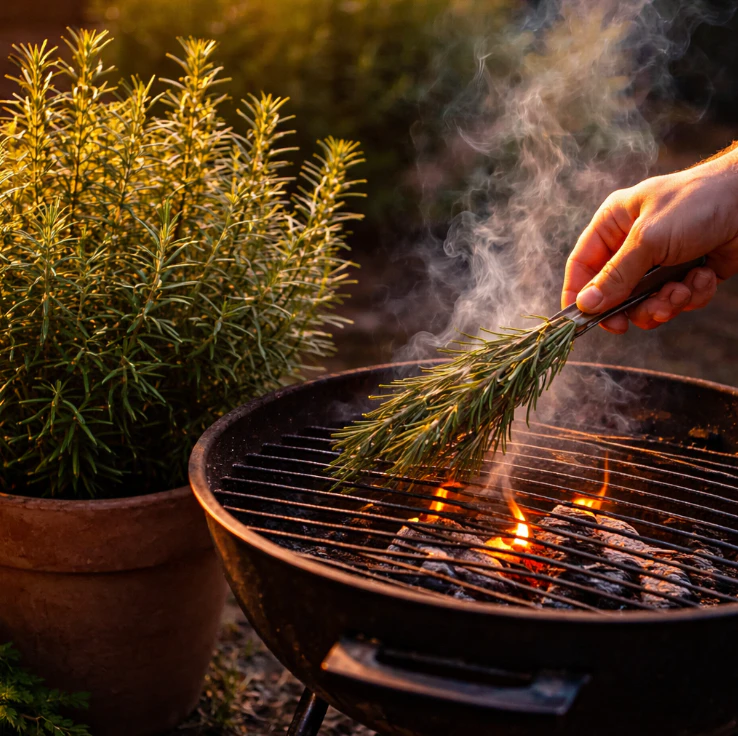
It is a tough, drought-resistant plant that thrives in hot, dry weather, making it perfect for peak summer months.
- Best Suited For: Outdoor grilling areas, fire pits, and hot patios.
- BBQ Secret: If you are having a barbecue, toss a few sprigs of rosemary directly onto the hot coals. The scented smoke will create a massive mosquito-free zone around the grill.
6. Marigold
Marigolds are incredibly popular for their bright, cheerful colors, but they possess a secret weapon. They naturally contain pyrethrum, a compound used in many commercial insect repellents.
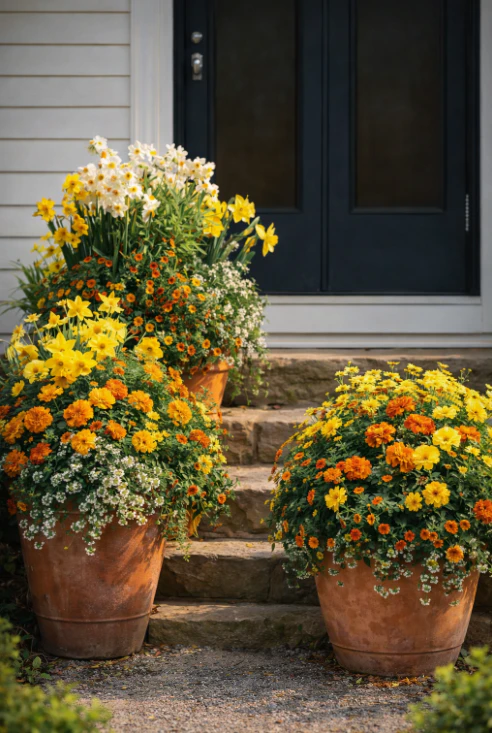
These flowers emit a slightly pungent smell that mosquitoes, aphids, and even rabbits try to avoid.
- Top Locations: Front doorways, open windows, and tomato garden borders.
- Action Step: Plant marigolds strategically near all the entrances of your home to stop bugs from flying inside when you open the door.
7. Lemongrass
Closely related to Citronella, Lemongrass is rich in the exact same citronella compounds but has a slightly sweeter, more culinary scent.
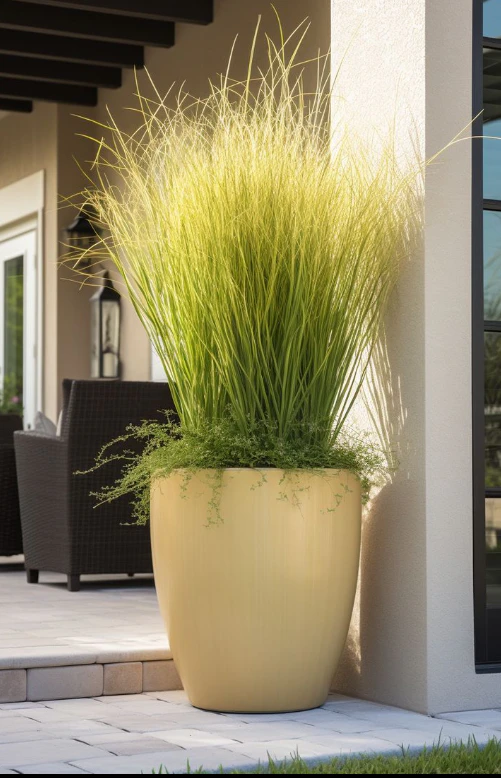
It is a fantastic ornamental grass that adds elegant height and movement to your patio design while working hard to block bugs.
- Works Well In: Warm climates, large floor pots, and modern garden designs.
- Winter Care: Lemongrass cannot survive freezing winters. If you live in a cold area, grow it in a large pot and move it inside to a sunny room before the first frost.
8. Catnip
Catnip drives felines absolutely crazy, but it is a total nightmare for mosquitoes. In fact, research shows that it contains nepetalactone, a chemical that is heavily repulsive to bugs.
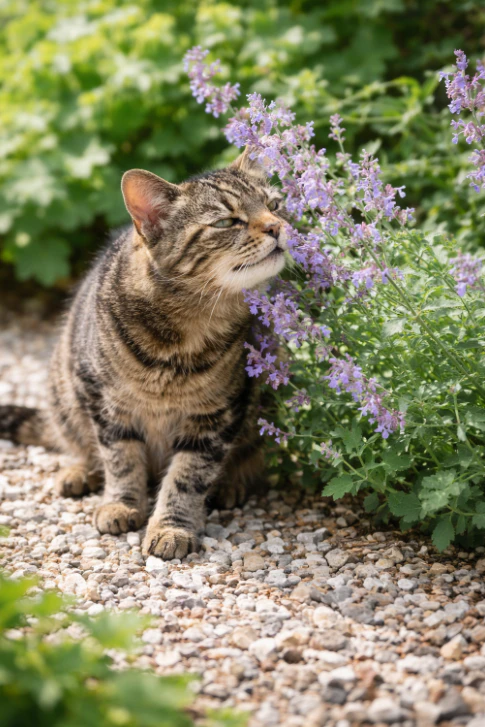
Studies have actually found that the essential oil in catnip can be up to 10 times more effective than DEET at repelling mosquitoes.
- Where to Plant: Backyards, hanging pots, and anywhere away from delicate flowers.
- Did You Know? While it is a bug super-weapon, it will attract neighborhood cats. If you don’t want stray cats visiting, hang this plant high up in a secure basket.
9. Sage
Sage is a powerful herb with a strong, earthy, and slightly peppery scent that humans love to use in cooking. However, the strong aroma is incredibly confusing and unpleasant to most flying insects.
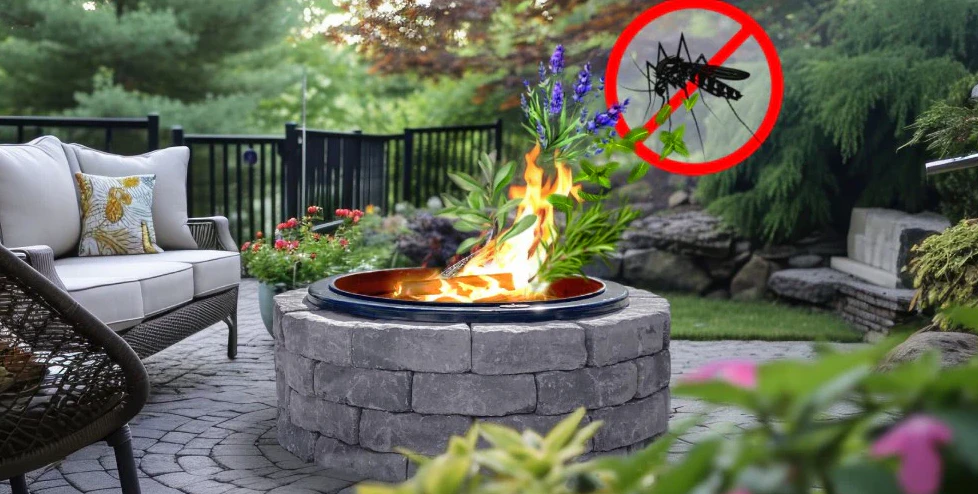
When the leaves of the sage plant are crushed, or better yet, burned, they release thick, aromatic oils into the air. This completely masks the smell of human sweat, leaving mosquitoes unable to locate you.
- Good Fit For: Vegetable garden borders and outdoor fire pits.
- Campfire Hack: If you are spending the evening around a backyard campfire, toss a handful of dried sage leaves directly into the flames. The scented smoke creates a massive, bug-free zone.
10. Thyme
Thyme is a low-growing, creeping herb that is perfect for filling in the empty spaces between stepping stones or patio pavers. While it looks delicate, it packs a serious punch against pests.

The leaves contain volatile oils that act as a natural deterrent. However, these oils are tightly locked inside the plant. To get the mosquito-repelling benefits, you must actively interact with it.
- Ideal For: Sunny rock gardens, walkways, and small pots.
- How to Use: Plant creeping thyme between your patio stones. Every time you step on it, the gentle crushing action will automatically release the oils into the air around your ankles.
11. Lemon Balm
Lemon balm is a member of the mint family, which means it grows incredibly fast and is very hard to kill. It produces a strong, sweet, and highly concentrated lemon scent that is a nightmare for bugs.

Because it contains high levels of citronellal the exact same compound found in citronella candles it is one of the most effective natural options available for home gardeners.
- Top Choice For: Small patio gardens, window boxes, and hanging baskets.
- Must Remember: Like mint, lemon balm is an aggressive grower and will take over your garden. Always keep it confined to a designated pot to prevent it from becoming a weed.
12. Scented Geranium
Scented geraniums are popular because they offer the best of both worlds: beautiful, delicate flowers and highly functional, bug-repelling foliage. The “Mosquito Plant” variety is specifically bred for this purpose.
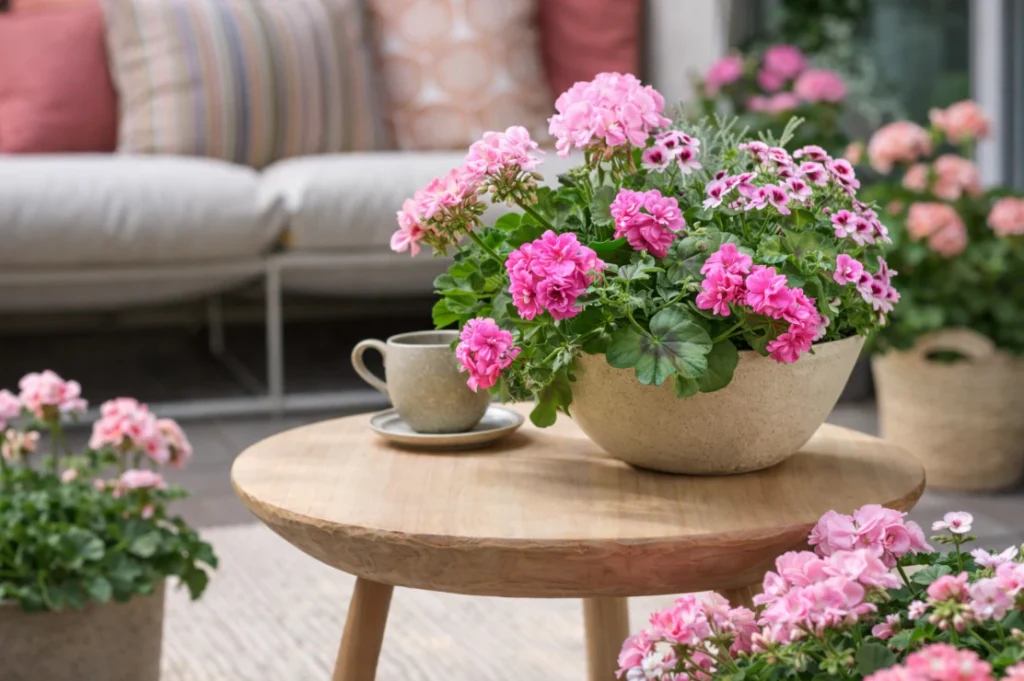
These plants have a strong scent that resembles citronella, making them a very popular choice for porches and balconies where people relax in the evening.
- Where It Shines: Decorative patio pots and sunny window sills.
- Design Tip: For maximum protection, place two large pots of scented geraniums on either side of your main patio seating area. The cross-breeze will carry the scent over you.
13. Eucalyptus
Eucalyptus trees and bushes are famous for their incredibly strong, medicinal scent. The oil extracted from eucalyptus leaves is an active ingredient in many commercial, chemical-free bug sprays.
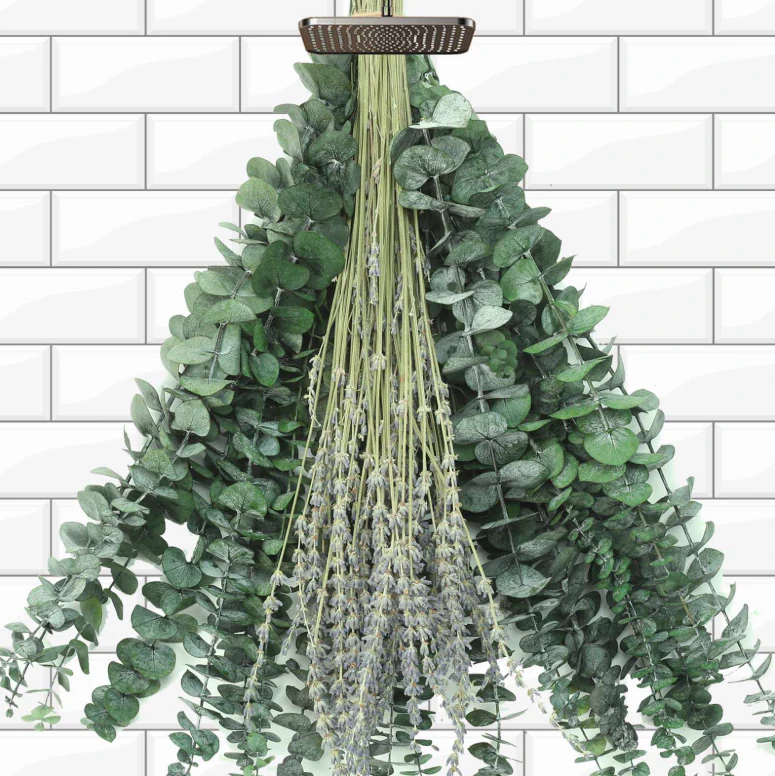
While eucalyptus is typically a large tree, you can easily grow dwarf varieties in large containers on your patio. The strong scent naturally repels mosquitoes, ticks, and even sandflies.
- Perfect For: Large outdoor gardens, hot climates, and spacious patios.
- Spa Trick: Cut a few fresh branches of eucalyptus and hang them upside down in your outdoor shower. The heat and humidity will release the oils naturally.
14. Bay Laurel
Bay Laurel is an evergreen shrub that produces the culinary bay leaves used in soups and stews. But beyond the kitchen, its aromatic leaves are excellent at deterring a wide variety of insects.

The strong, slightly bitter scent of the leaves naturally repels mosquitoes, flies, and even pantry moths if brought indoors. It is a slow-growing plant that looks very elegant.
- Excellent In: Formal container gardens, patios, and indoor kitchens.
- Dining Hack: Plant a bay laurel bush in a large, decorative pot and place it near your outdoor dining table. It acts as a beautiful centerpiece that keeps flies away from food.
15. Allium (Garlic/Onion Family)
Alliums are the flowering members of the garlic and onion family. They produce stunning, globe-shaped purple or white flowers that look like fireworks exploding in your garden.
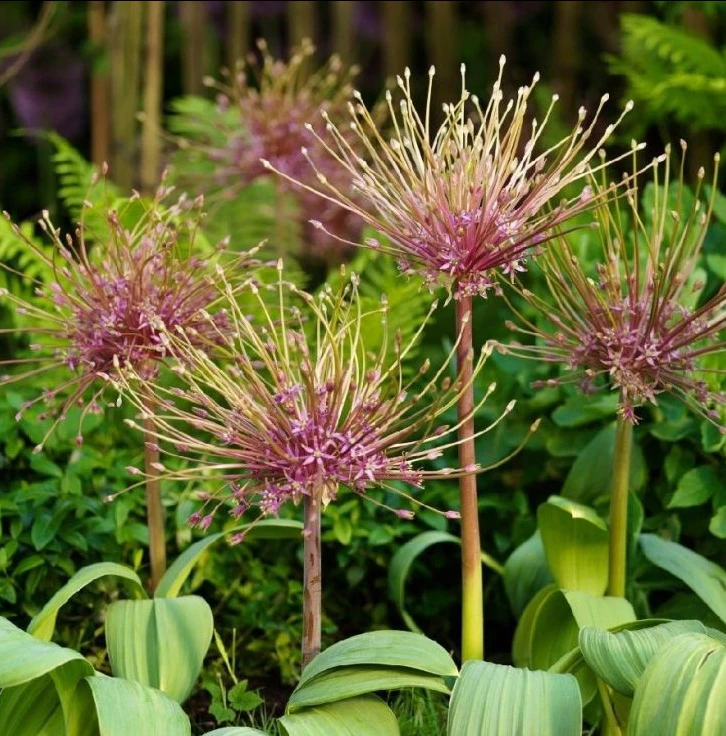
While they are beautiful, their stems and bulbs contain strong sulfur compounds. These compounds are highly offensive to mosquitoes, aphids, and even larger pests like deer and rabbits.
- Best Used In: Vegetable beds, flower borders, and deterring larger garden pests.
- Garden Strategy: Plant tall alliums in the back of your flower borders or directly next to your tomato plants. They act as a natural, stinky shield that protects delicate plants.
Best Setup Ideas for Maximum Effect
To create a truly mosquito-free zone, you need a strategy. One plant won’t work, but a combination of plants placed in the right locations will create a powerful, natural barrier.
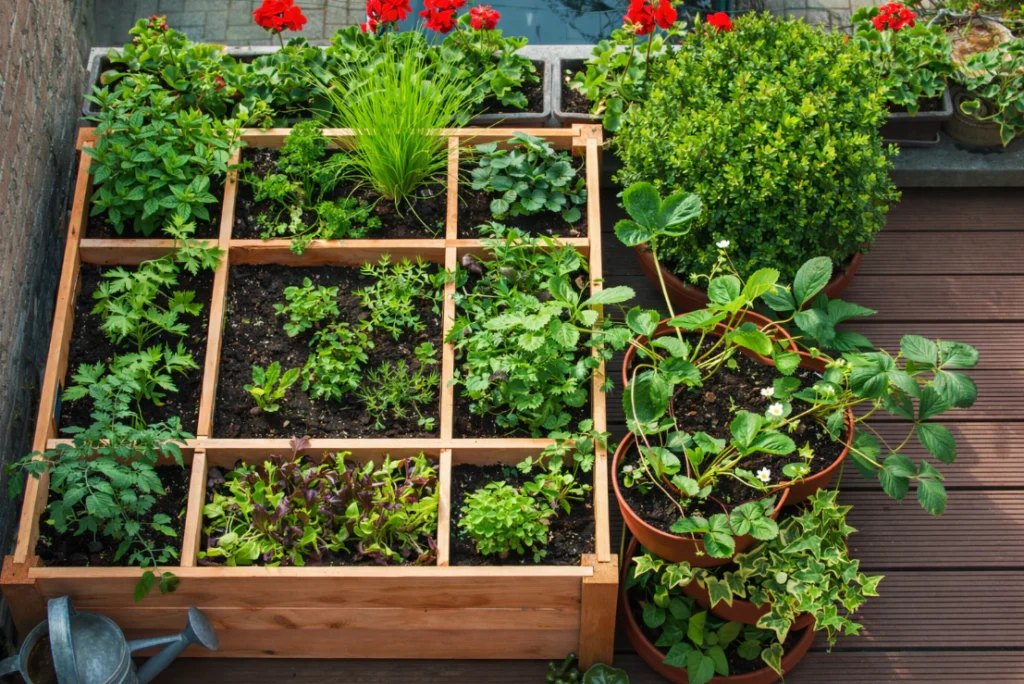
Here are the best ways to set up your bug-repelling garden:
- The Balcony Setup: If you have limited space, focus on strong-smelling herbs. Combine a pot of Basil, a pot of Mint, and a pot of Lavender on a small table next to your chair.
- The Backyard Patio Setup: For larger areas, you need bigger plants. Place Citronella Grass in the corner, Rosemary near the BBQ, and line the edge with bright Marigolds.
- The Indoor Window Setup: To stop bugs from flying inside, place pots of Basil and Lemon Balm directly on your sunny kitchen windowsill.
The key to success is combining beauty with function. Group plants with different scents together to overwhelm the mosquitoes’ senses completely.
Common Mistakes to Avoid
Many people buy a “mosquito plant,” stick it in the corner of the yard, and are disappointed when they still get bitten. Avoid these common mistakes to ensure your natural repellents actually work:

- Using Only One Plant: Mosquitoes are persistent. A single small pot of lavender will not protect a 20-foot patio. You need multiple plants to create a strong enough scent barrier.
- Placing Plants Too Far Away: The repelling oils are only effective within a few feet of the plant. If the citronella is 15 feet away, it cannot protect you. Keep the plants close.
- Expecting Instant Results: Plants are not a chemical bug bomb. They take time to establish, grow, and release their oils. Don’t expect zero bugs on day one.
- Not Maintaining Plant Health: A sick, underwatered plant will not produce the essential oils needed to repel bugs. You must water and care for them regularly.
Bonus: Extra Natural Mosquito Control Tips
Even with the best plants, you might need a little extra help during peak mosquito season. Combine your plant strategy with these natural control methods for ultimate protection:
- Remove Standing Water: Mosquitoes breed in stagnant water. Empty birdbaths, old tires, and clogged gutters every few days to stop them from multiplying.
- Use Outdoor Fans: Mosquitoes are incredibly weak flyers. A simple oscillating fan blowing across your patio will make it physically impossible for them to land.
- Add Citronella Candles: While the plants are growing, supplement them with high-quality, pure citronella candles placed around your seating area.
- Keep the Garden Clean: Tall weeds and piles of dead leaves are perfect daytime hiding spots for mosquitoes. Keep your lawn mowed and your garden beds tidy.
Frequently Asked Questions
Do mosquito repelling plants really work?
Yes, but they work best when used properly and combined with other methods. You must actively crush the leaves to release the oils and place the plants very close to where you are sitting.
Which plant works the best?
Citronella grass, lavender, and catnip are consistently ranked among the most effective. Catnip, in particular, contains nepetalactone, which is highly repulsive to bugs.
Can I grow them indoors?
Yes! Basil, mint, and lemon balm thrive indoors on sunny windowsills. They are excellent at preventing mosquitoes from flying into your house when the windows are open.
Final Thoughts
Using mosquito-repelling plants is one of the easiest, safest, and most beautiful ways to enjoy your outdoor living space naturally. While they will not completely eliminate every single mosquito from your yard, they can significantly reduce the problem.

By mixing different plants, placing them close to your seating areas, and gently crushing the leaves to release their powerful oils, you can create a much more comfortable, chemical-free summer.
So, ditch the harsh sprays, grab some potting soil, and start planting your natural mosquito defense today!


