15 Best Vegetables to Grow in Winter in Your Garden
Think your gardening season is over when winter arrives? Think again. With the right selection of plants, you can enjoy a fresh harvest even in the coldest months. Many vegetables not only survive the cold but actually taste sweeter after a frost.
This guide reveals 15 of the best cold-hardy vegetables you can grow for a fresh, homegrown harvest all winter long. Let’s dive in and discover how you can keep your garden productive year-round.
Before we dive into our list, it’s important to understand the basic principles that make a winter garden successful. It’s not just about what you grow, but how you create the right environment for them.
Embrace the Cold: Understanding Frost Tolerance
Not all cold is created equal. A “light frost” (28–32°F / -2 to 0°C) will kill tender summer plants but is perfectly fine for winter vegetables. A “hard freeze” (below 28°F / -2°C) is more challenging, but many of the plants on our list can survive even this with proper care. The key is choosing plants that are adapted to your specific climate’s level of cold.
The Foundation: Sun and Well-Drained Soil
Winter days are short, so choosing the sunniest spot in your yard is critical. Your plants will need every bit of light they can get. Additionally, well-draining soil is non-negotiable in winter. Cold, waterlogged soil will quickly rot roots and kill even the hardiest plants. If you have heavy clay soil, consider using raised beds where you can control the soil mix.
Your Winter Toolkit: Essential Protections
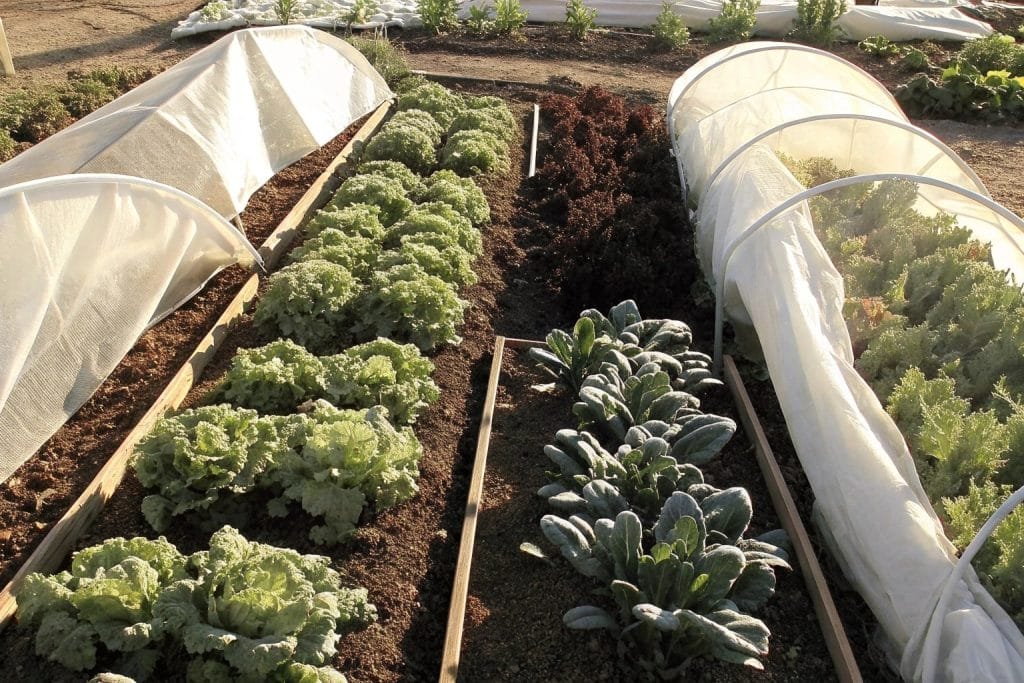
While the vegetables on our list are tough, a little protection goes a long way. Simple tools like a thick layer of mulch (straw or shredded leaves), row covers (fabric tunnels), or a cold frame (a mini-greenhouse) can create a warmer microclimate, protecting your plants from the harshest winds and deepest freezes. For a detailed guide on these methods, be sure to check out our article on how to protect your plants during winter.
A Quick Guide to Harvesting in Winter
Harvesting in winter is a unique experience. Follow these simple rules for the best results:
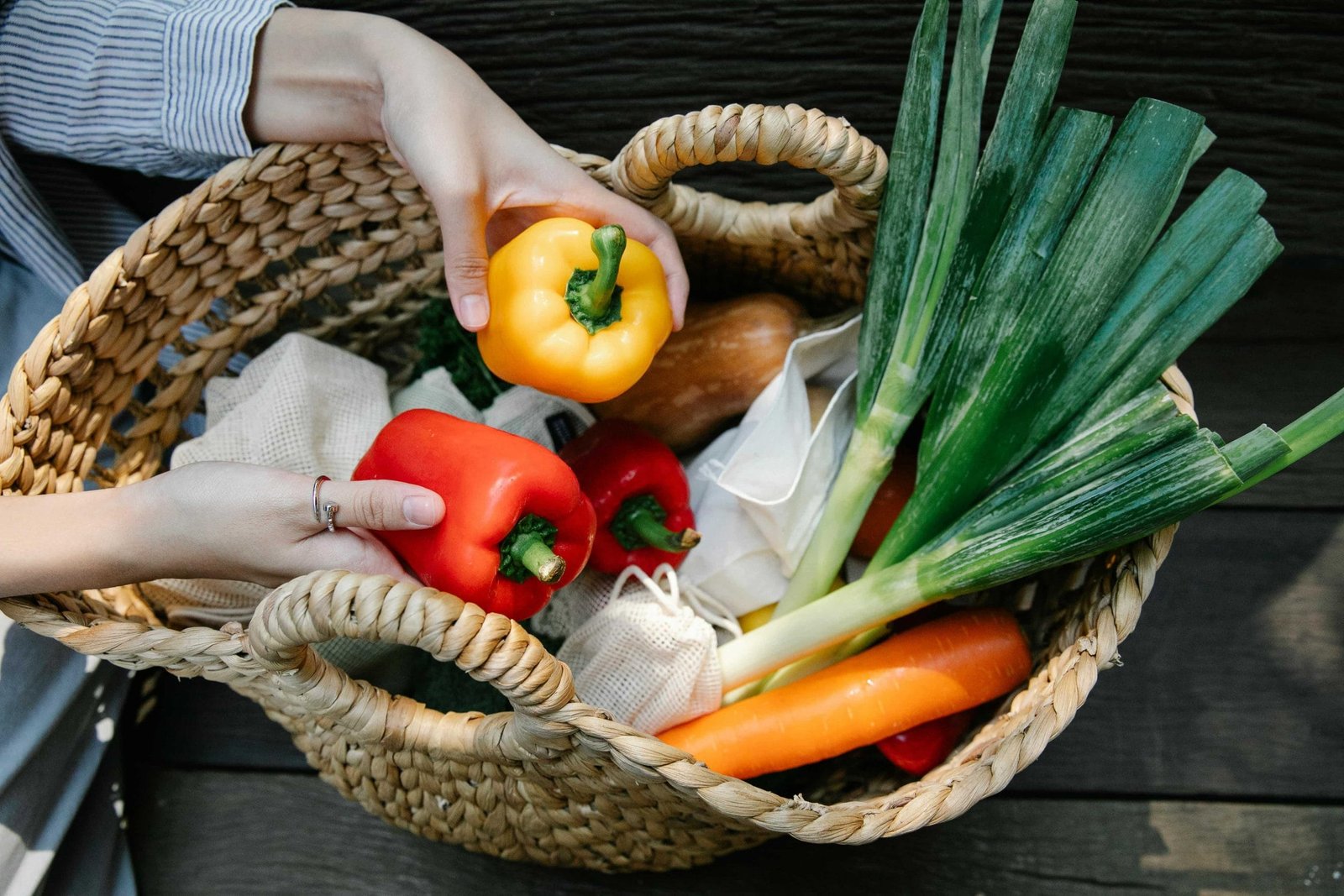
- Harvest Mid-Day: Try to harvest in the afternoon when the plants are most likely to be thawed and less brittle.
- Use Sharp Tools: Use scissors or a sharp knife to cut leafy greens. This causes less damage to the dormant plant than pulling.
- Be Gentle: Frozen plant stems and leaves can be fragile. Handle them with care to avoid snapping them.
- Store Roots in the Ground: For root vegetables like carrots and parsnips, the cold ground is the best storage cellar. Simply mulch them heavily and harvest as needed.
The Ultimate List: 15 Vegetables for Your Winter Garden
Here are 15 of the most reliable and rewarding vegetables you can grow for a winter harvest in a European or American climate.
1. Kale: The Undisputed King of the Winter Garden
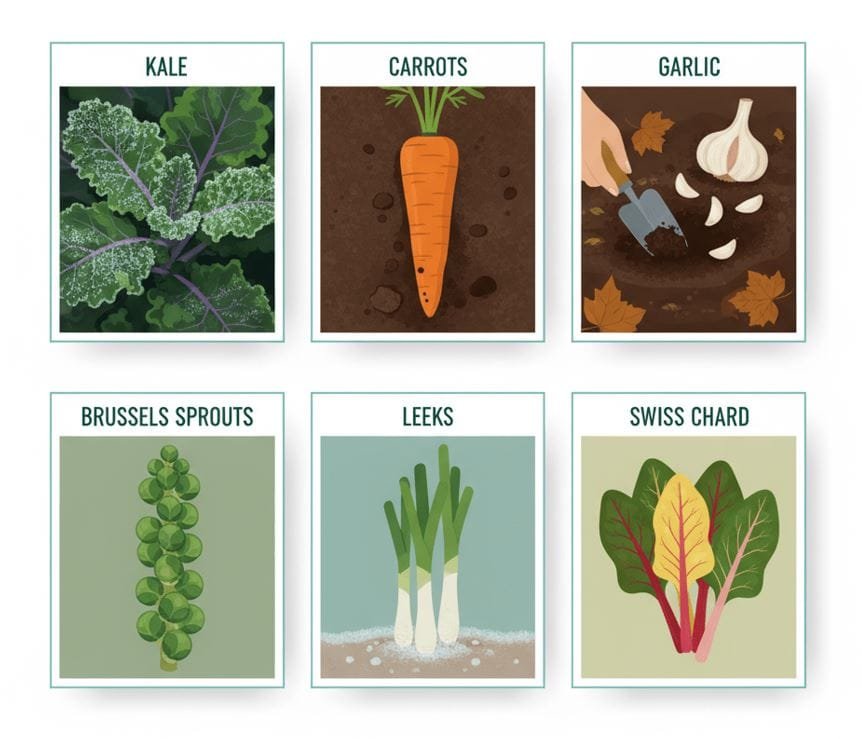
Kale is one of the toughest leafy greens imaginable. It doesn’t just tolerate the cold—it embraces it. Frost actually triggers a chemical reaction in the leaves, converting starches into sugars and making them wonderfully sweet and tender.
- Best Winter Varieties: ‘Winterbor’, ‘Siberian’, ‘Red Russian’, ‘Lacinato’ (also known as Dinosaur Kale).
- Planting & Growing Guide:
- When to Plant: Sow seeds directly in the garden in late summer or early fall, about 6-8 weeks before your first expected frost date.
- Soil: Prefers well-drained soil enriched with plenty of compost.
- Spacing: Thin seedlings to about 12-18 inches apart to give them room to mature.
- Winter Care: Kale is so hardy it often needs no protection in moderate climates. In very cold regions, a row cover can help.
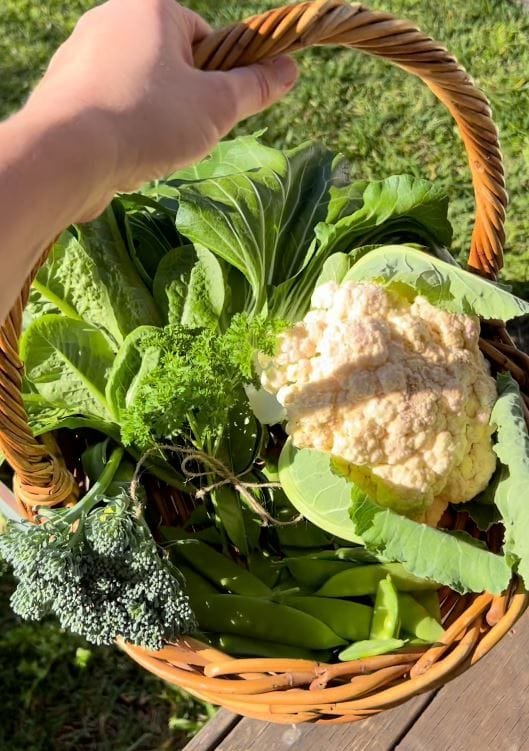
- Harvesting Secrets: For a continuous supply all winter, harvest the outer, lower leaves first. This encourages the central bud to keep producing new growth.
2. Spinach: The Fast and Frost-Friendly Green
Spinach is another leafy green that thrives in cool weather. It grows relatively quickly and, like kale, becomes noticeably sweeter after a light frost. Its shallow root system makes it an excellent choice for raised beds, containers, and cold frames.
@plantedinthegarden This was a very calming harvest. Tons of greens left in the garden, most should still be okay as the weather starts to cool down. Some kale varieties can actually survive winter if left on the ground. The leaves will die back but the roots can still survive. For a winter kale harvest, protect and grow them under cover and harvest on warm winter days#calming #gardenharvest #asmrvideo #asmr #asmrsounds ♬ original sound – Planted in the Garden
- Best Winter Varieties: ‘Bloomsdale Long Standing’, ‘Giant Winter’, ‘Tyee’.
- Planting & Growing Guide:
- When to Plant: Sow seeds in early fall for a winter harvest. You can plant another crop in a cold frame in late winter for early spring greens.
- Soil: Requires fertile, well-drained soil.
- Watering: Keep the soil consistently moist but never waterlogged.
- Harvesting Secrets: You can harvest the whole plant at once or use the “cut-and-come-again” method by trimming the outer leaves, which allows for multiple harvests from the same plant.
3. Carrots: The Sweet Treat Beneath the Snow
Carrots are a classic root vegetable that transforms in the cold. As temperatures drop, the plant begins to store energy in its root in the form of sugars, acting as a natural anti-freeze. This makes winter-harvested carrots exceptionally sweet and crisp.
- Best Winter Varieties: ‘Danvers’, ‘Napoli’, ‘Chantenay’, ‘Bolero’.
- Planting & Growing Guide:
- When to Plant: Sow seeds directly into loose, rock-free soil about 10-12 weeks before your first frost date.
- Soil Prep: Loose soil is key for straight roots. Avoid adding fresh manure, which can cause carrots to fork.
- Winter Care: After the first few frosts, cover your carrot bed with a thick (6-12 inch) layer of straw or shredded leaf mulch. This insulates the ground, preventing it from freezing solid and allowing you to harvest all winter.
- Harvesting Secrets: Simply pull back the mulch and dig up carrots as you need them.
4. Beets: The Two-in-One Winter Gem
Beets are another fantastic root crop for the winter garden because they offer two harvests in one: the sweet, earthy root and the nutritious, delicious leafy tops. They thrive in cool conditions, developing a deep color and a rich, sweet flavor that is hard to beat.
- Best Winter Varieties: ‘Cylindra’, ‘Detroit Dark Red’, ‘Bull’s Blood’ (especially prized for its dark red leaves).
- Planting & Growing Guide:
- When to Plant: Sow seeds directly in the garden 8-10 weeks before your first expected frost.
- Soil & Spacing: They prefer loose, well-drained soil. Thin seedlings to about 3-4 inches apart to give the roots enough space to swell.
- Winter Care: Like carrots, a thick layer of straw mulch applied after a few light frosts will protect the roots and allow you to harvest them even when the ground is frozen.
- Harvesting Secrets: You can start harvesting the outer leaves (the beet greens) when they are a few inches tall, but be sure to leave the inner leaves to nourish the root. The roots are sweetest when they are about 2-3 inches in diameter.
5. Garlic: The Overwintering Flavor Powerhouse
Garlic is one of the easiest and most rewarding crops to grow. It’s a true winter warrior, planted in the fall and left to “overwinter” in the soil. The cold period is essential for the cloves to divide and form a full head.
- Best Winter Varieties: Hardneck varieties like ‘German Extra Hardy‘ or ‘Spanish Roja’ are extremely cold-tolerant.
- Planting & Growing Guide:
- When to Plant: Plant individual cloves in mid-autumn, a few weeks before the ground freezes.
- Method: Separate a healthy head of garlic into individual cloves. Plant them pointy-side up, about 2 inches deep and 4-6 inches apart.
- Winter Care: Cover the bed with a thick layer of mulch to protect the young shoots from “heaving” out of the ground during freeze-thaw cycles.
- Harvesting Secrets: Your patience will be rewarded in late spring or early summer when the lower leaves start to turn yellow. This is the signal that the bulbs are ready to be harvested.
6. Onions: The Kitchen Staple That Loves the Cold
Similar to garlic, certain “overwintering” or “short-day” onion varieties are perfect for a winter garden. Planted as small bulbs (called “sets”) in the fall, they establish their roots during the cold months and are ready for an early harvest the following year.
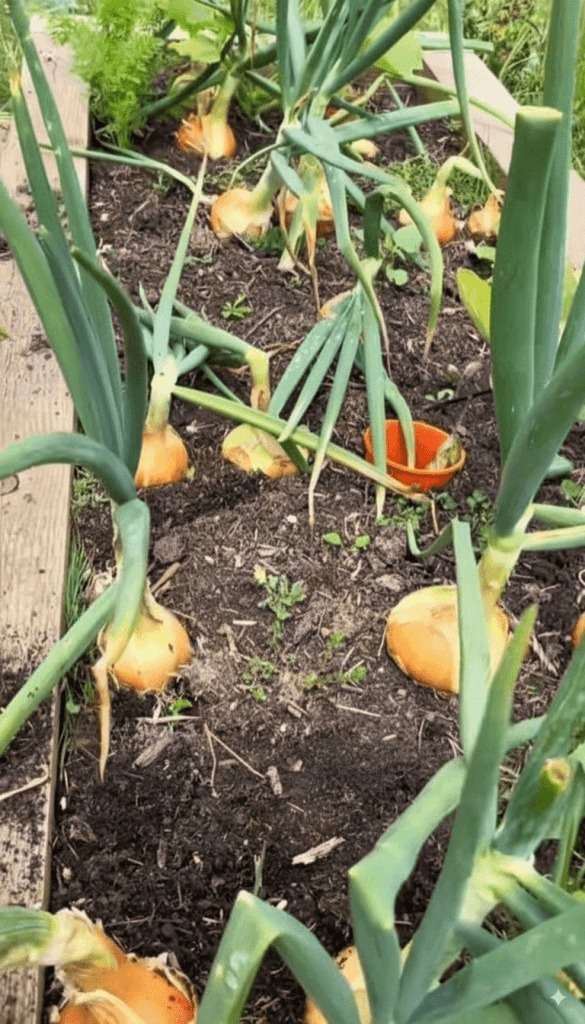
- Best Winter Varieties: ‘Walla Walla’, ‘Yellow Globe’, ‘Ebenezer’.
- Planting & Growing Guide:
- When to Plant: Plant onion sets in early to mid-autumn.
- Soil: They need well-drained, fertile soil. Avoid planting where other onion-family crops grew the year before.
- Winter Care: Mulch the bed heavily to provide insulation and suppress weeds.
- Harvesting Secrets: Harvest them in the spring as “spring onions” or let them mature until early summer when the tops begin to yellow and fall over, indicating the bulbs are fully formed.
7. Radishes: The Fastest Harvest in the Winter Garden
While many winter crops require patience, radishes provide near-instant gratification. They thrive in the cool soil of autumn and can be grown well into the winter in a protected spot like a cold frame.
- Best Winter Varieties: While spring radishes are fast, look for larger winter varieties like ‘Daikon’, ‘Black Spanish’, or ‘China Rose’ which grow slower but are very cold-tolerant and store well.
- Planting & Growing Guide:
- When to Plant: Sow seeds directly in the garden in early fall and continue planting every few weeks for a continuous harvest.
- Care: They require minimal care. Just keep the soil moist for the best texture and flavor.
- Harvesting Secrets: Harvest them promptly when they reach their desired size. Leaving them in the ground for too long can cause them to become woody or “hot.”
8. Brussels Sprouts: The Iconic Frost-Kissed Treat
These are the quintessential winter vegetable. Growing on a tall, single stalk, these tiny cabbages are best harvested after they have experienced several frosts, which dramatically improves their flavor and sweetness.
- Best Winter Varieties: ‘Long Island Improved’, ‘Jade Cross E’.
- Planting & Growing Guide:
- When to Plant: Brussels sprouts need a very long growing season. Start seeds indoors in late spring and transplant them into the garden in mid-summer.
- Support: Taller plants may need staking to protect them from strong winter winds.
- Winter Care: They are incredibly hardy and can often stand in the garden with no protection, even in the snow.
- Harvesting Secrets: Begin harvesting the sprouts from the bottom of the stalk upwards as they reach about 1-2 inches in diameter. The plant will continue to produce new sprouts at the top.
9. Cabbage: The Hearty and Versatile Winter Staple
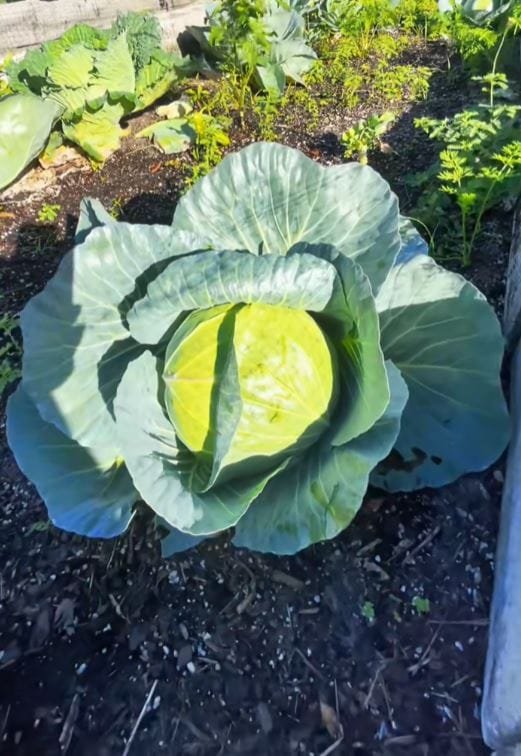
Cabbage is another cold-hardy hero from the brassica family. Its dense, tightly packed leaves are naturally protected from the cold. Like its cousins, its flavor becomes sweeter and milder after a frost.
- Best Winter Varieties: Look for hardy savoy types like ‘January King’ or late-season storage cabbages.
- Planting & Growing Guide:
- When to Plant: For a winter harvest, plant seedlings in the garden in late summer or early fall.
- Spacing: Give them plenty of room to grow, typically 12-18 inches between plants.
- Pest Control: Protect young plants from cabbage worms with row covers.
- Harvesting Secrets: Harvest the head when it is firm and dense. Cabbage is also an excellent storage vegetable, lasting for months in a cool, dark place.
10. Broccoli: The Cool-Weather Favorite
Broccoli thrives in cool temperatures, which is why it often “bolts” (flowers prematurely) in the summer heat. Certain varieties are bred specifically for overwintering.
- Best Winter Varieties: Look for “overwintering” or “sprouting” broccoli types, which are planted in fall for a late winter/early spring harvest.
- Planting & Growing Guide:
- When to Plant: Plant seedlings in late summer or early fall.
- Watering: Provide consistent water to encourage the development of large, tender heads.
- Harvesting Secrets: Harvest the main central head when the florets are still tight and green. Don’t pull the plant! It will continue to produce smaller side shoots for several more weeks.
11. Cauliflower: The Creamy Winter Delicacy
Cauliflower can be a bit more finicky than broccoli, but a successful winter harvest is incredibly rewarding. It prefers consistent, cool temperatures to form its dense, white head (or “curd”).
- Best Winter Varieties: ‘Snow Crown’, ‘Amazing’.
- Planting & Growing Guide:
- When to Plant: Start seeds indoors in late summer and transplant them into the garden in the fall.
- Blanching: To keep the head white and tender, many gardeners practice “blanching.” Once the head is a few inches across, fold the plant’s own outer leaves over it and secure them with a clothespin. This protects it from the sun.
- Harvesting Secrets: Harvest the head when it is full-sized, white, and firm, before the individual florets start to separate.
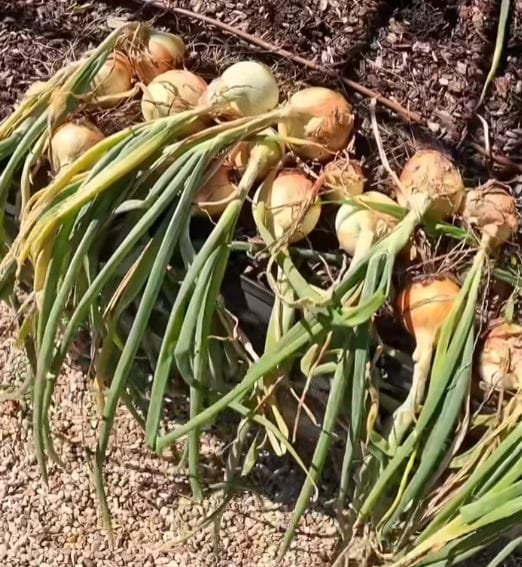
12. Leeks: The Hardy and Elegant Onion Cousin
Leeks are exceptionally resilient and a gourmet treat. They look like giant green onions but have a milder, sweeter flavor. They can be left in the garden through heavy frost and snow and harvested as needed.
- Best Winter Varieties: ‘Blue Solaise’, ‘American Flag’.
- Planting & Growing Guide:
- When to Plant: They have a long growing season. Start seeds in early spring and transplant them into the garden in early summer for a fall and winter harvest.
- Hilling: To get the long, white, tender stem, you need to “hill” them. As the leeks grow, gradually pile soil or mulch up around the base of the stalk.
- Harvesting Secrets: Use a garden fork to loosen the soil around the leek before gently pulling it from the ground. They can be harvested at any size.
13. Turnips: The Fast-Growing, Dual-Purpose Root
Turnips are a fantastic dual-purpose crop for the cool season. You can harvest the peppery leafy tops as “turnip greens” and the sweet, earthy roots for roasting, mashing, or adding to stews.
- Best Winter Varieties: ‘Purple Top White Globe’ is a classic and reliable choice.
- Planting & Growing Guide:
- When to Plant: Sow seeds directly in the garden in late summer or early fall for a winter harvest.
- Spacing: Thin the seedlings to about 4-6 inches apart to allow the roots to develop properly.
- Harvesting Secrets: For the most tender roots, harvest them when they are small (2-3 inches in diameter). The greens can be harvested sparingly throughout the growing season.
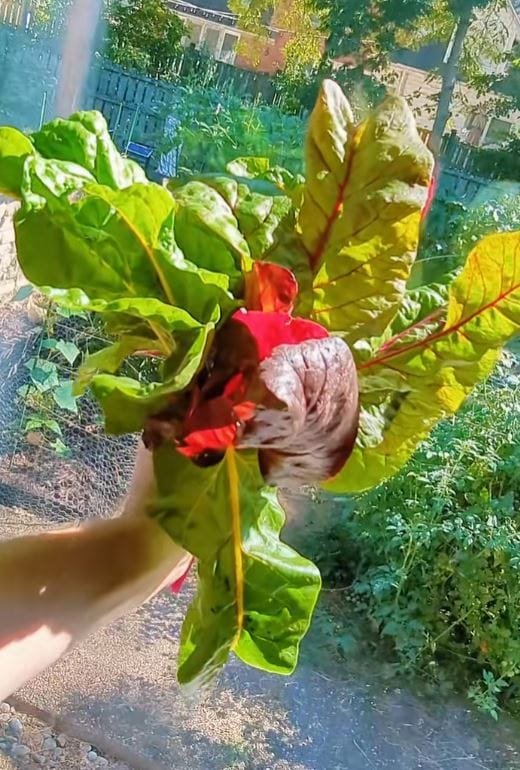
14. Swiss Chard: The Resilient Rainbow Green
Swiss chard is a beautiful, colorful, and nutrient-packed green that withstands winter better than many other leafy vegetables. Even if its leaves are damaged by a hard freeze, the roots often remain alive and will send out a flush of fresh, new growth as soon as the weather warms slightly.
- Best Winter Varieties: ‘Bright Lights’, ‘Fordhook Giant’, ‘Rhubarb Chard’.
- Planting & Growing Guide:
- When to Plant: Sow seeds in late summer for a fall and winter harvest.
- Care: It’s a relatively low-maintenance plant. Provide consistent water.
- Winter Protection: In colder zones, a thick layer of mulch and a row cover are recommended to keep it productive.
- Harvesting Secrets: Like spinach, harvest the outer leaves with a sharp knife or scissors to encourage continuous growth from the center of the plant.
15. Parsnips: The Sweetest Reward for a Patient Gardener
Parsnips are the ultimate winter root vegetable, famous for their nutty, sweet flavor that only develops after exposure to frost. They require a long growing season but are incredibly low-maintenance once established.
- Best Winter Varieties: ‘Hollow Crown’, ‘All American’, ‘Gladiator’.
- Planting & Growing Guide:
- When to Plant: Sow seeds in the spring or early summer, as they need a long time to mature.
- Patience is Key: Germination can be slow, so keep the soil moist.
- Winter Care: Like carrots, leave them in the ground all winter. After the first hard frost, cover the bed with a thick layer of straw mulch to make harvesting easier from unfrozen soil.
- Harvesting Secrets: Use a garden fork to carefully loosen the soil around the roots before pulling them up to avoid breakage. The flavor is best after the ground has experienced several good frosts.
Conclusion
Winter gardening is a rewarding adventure that proves your garden can be productive and beautiful in every season. You don’t need a huge space or a complex setup to enjoy the sweet taste of frost-kissed carrots or fresh spinach on a cold day.
You don’t have to grow all 15 vegetables on this list. Start small. Choose two or three that excite you, give them a little basic protection, and you’ll be amazed at the delicious results. Enjoy the unique satisfaction of harvesting fresh food from your own backyard, even on the chilliest days.