Companion Planting for Beginners: 13 Perfect Pairs for a Healthier Vegetable Garden
Ever looked at your vegetable garden and thought, “Why are my beans thriving while the cabbages next to them are getting eaten alive?” I’ve been there. At one point, I was losing half my tomato harvest to pests and was ready to blame my own (lack of a) green thumb.
That’s when I stumbled into the world of companion planting—the simple, brilliant idea of pairing up plants that actually support each other. It’s not some mystical garden voodoo; it’s just using nature’s own wisdom. Now, my garden feels less like a battleground and more like a friendly, bustling neighborhood where everyone helps each other out.
In this guide, I’m going to walk you through 13 of my go-to companion planting pairs that I’ve seen work in my own garden. You’ll get the “why,” the “how,” and a few of my own gardening war stories. Let’s do this, my fellow plant nerd.
So, What Exactly is Companion Planting? (And Why I Swear By It)
In plain English, companion planting means growing two or more different plants near each other for their mutual benefit. Think of it as strategic matchmaking for your vegetables. When you get the pairings right, you create a tiny, self-sustaining ecosystem that is healthier, more productive, and a lot less work for you.

I’ve seen this work with my own eyes. My first few years, my garden was a constant struggle. Now, by using these simple pairings, I spend way less time fighting pests and more time actually enjoying the harvest. Here’s why it’s so effective:
- It Creates a Natural Pest Patrol: This is the biggest win for me. Some plants, like basil or rosemary, release strong smells that confuse and repel pests looking for your prized tomatoes. Others, like nasturtiums, act as heroic "trap crops," luring aphids away from your other vegetables.
- It Invites the "Good Guys" to the Party: Certain flowers attract beneficial insects like ladybugs, hoverflies, and parasitic wasps. These are the garden's security guards—they prey on the bad bugs like aphids and caterpillars, doing your pest control for you.
- It Builds Healthier, Happier Soil: Some plants, particularly beans and peas, have a superpower: they "fix" nitrogen in the soil, providing free, natural fertilizer for their neighbors. Others, like carrots, help break up compacted soil.
- It’s a Smart Use of Space: Why leave empty space between your tall corn stalks? Plant beans to climb up them and squash to cover the ground below. This "stacking" of plants means you get a much bigger harvest from the same square footage.
My 13 Favorite Companion Planting Pairs for a Thriving Garden
Okay, got the basics? Now let’s meet the rockstar couples. I’ve grouped them by the main vegetable, so you can easily find the perfect partner for the crops you’re planning to grow.
1. Tomatoes & Basil: The Italian Classic
This is the most famous and, in my opinion, one of the most effective pairings.

- My Experience: The first year I planted a border of basil around my tomato plants, I noticed a dramatic drop in the pesky whiteflies and tomato hornworms that had plagued me before. It was like the basil was putting up an invisible, fragrant forcefield. Some old-school gardeners swear it even makes the tomatoes taste sweeter—I think there’s something to that!
- How it Works: The strong, aromatic oils in basil are believed to repel several common tomato pests. Plus, they both love the same conditions: full sun and rich, well-drained soil.
- Planting Tip: I plant my basil a few inches away from the base of each tomato plant. It acts as a beautiful, living mulch.
2. The Three Sisters: Corn, Beans, & Squash
This isn’t just a pairing; it’s an ancient and brilliant trio perfected by Native American farmers centuries ago.

- My Experience: My first attempt at this felt like conducting a plant symphony. It was amazing to watch how perfectly they all worked together. It’s the ultimate example of a self-sustaining system.
- How it Works: This is pure genius. The corn provides a tall, sturdy stalk for the pole beans to climb. The beans pull nitrogen from the air and "fix" it in the soil, providing essential fertilizer for the heavy-feeding corn. The large, sprawling leaves of the squash create a living mulch on the ground, which suppresses weeds, keeps the soil cool and moist, and deters pests with its prickly vines.
- Planting Tip: Plant the corn first. When it’s about 6 inches tall, plant the bean and squash seeds around the base of the stalks.
3. Carrots & Rosemary: The Scent-Masking Duo

The carrot root fly is the tiny, invisible villain of my carrot patch. For years, I had carrots that were riddled with their tunnels. I almost gave up until I learned their weakness: they find their targets by smell.
- My Experience: I now plant a border of a strong-smelling herb like rosemary or sage around my carrot bed. The powerful fragrance of the herb masks the sweet smell of the carrots, effectively making them invisible to the flies.
- How it Works: It’s a simple but effective strategy of aromatic confusion. Onions and chives also work well for this, as their strong smell throws pests off track.
4. Cucumbers & Nasturtiums: The Beautiful Bodyguards
Nasturtiums are not only beautiful, with their cheerful, edible flowers, but they are also one of the hardest-working plants in my garden.

- My Experience: Aphids love my cucumber plants. But they seem to love nasturtiums even more. I happily sacrifice a few nasturtium leaves to the aphids if it means my precious cucumbers are left alone. I call them my "bodyguard" plants.
- How it Works: Nasturtiums act as a "trap crop." They lure aphids and other pests to themselves, drawing them away from your more valuable crops. The flowers also attract pollinators, which is great news for your cucumbers. This is one of the easiest vegetables to grow for beginners, and this pairing makes it even more foolproof.
5. Squash & Mint: A Powerful (But Dangerous) Friendship
The squash bug is a real monster that can destroy a plant overnight. But I’ve found they can't stand the strong, clean smell of mint.

- My Experience (and a HUGE Mistake): My first year using this trick, I planted mint directly in the ground next to my squash. It worked—I had no squash bugs! But by the end of the season, the mint had taken over like an unwelcome guest who decides to move in permanently. It sent out runners everywhere!
- How it Works (The Safe Way): The mint's aroma repels squash bugs and other pests. But you must control it. Now, I plant my mint in a separate container and place that pot right next to my squash plants. You get all the pest-repelling benefits without the hostile takeover.
6. Lettuce & Chives: The Salad Guardians
My tender lettuce patch used to be an all-you-can-eat buffet for aphids. Planting a border of chives or garlic greens around it was like putting up a little "No Trespassing" sign.

- My Experience: The sharp, oniony smell of the chives seems to confuse the aphids, and they tend to stay away. It’s an easy, beautiful, and edible border.
- How it Works: The strong scent from the onion family (chives, garlic, onions) is a well-known repellent for many common garden pests. Plus, you get to snip fresh chives for your salad!
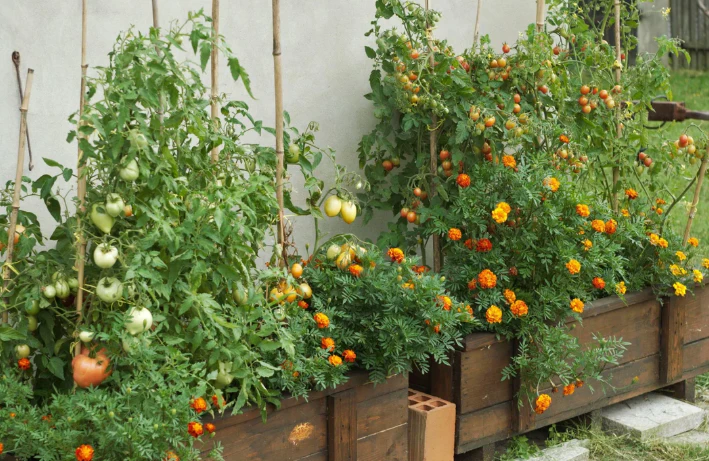
7. Peppers & Marigolds: The Underground Protectors
Marigolds are more than just a pretty flower; they are little powerhouses of pest control, especially for what's happening beneath the soil.

- My Experience: I always tuck a few French Marigolds into my pepper pots or at the edge of my pepper bed. Not only does the pop of orange and yellow look beautiful against the green pepper plants, but I've had far fewer issues with soil-borne pests since I started doing it.
- How it Works: Certain types of marigolds release a chemical into the soil that is toxic to root-knot nematodes—microscopic worms that can cause a lot of damage to the roots of vegetables. They also help deter other pests above ground and are perfect for adding color to your flower bed designs.
8. Beans & Calendula: A Match Made for Pest Patrol
For a long time, I only thought about companion planting in terms of repelling the bad bugs. Then I learned a more advanced strategy: attracting the good bugs. Calendula (also known as pot marigold) is one of the best flowers for this.

- My Experience: I now scatter calendula flowers all around my bean patches. Not only does the bright orange and yellow look beautiful against the green bean leaves, but my aphid problems have decreased significantly.
- How it Works: Calendula is a magnet for beneficial insects like hoverflies and ladybugs. These are your garden's best friends because their larvae are voracious predators that absolutely devour aphids. It's like inviting a tiny, helpful air force into your garden.
9. Cabbage (and its cousins) & Aromatic Herbs
I have a long and dramatic history of battling the white cabbage moth and its destructive little green caterpillar children. For years, it was a losing fight. Then I learned to use aromatic herbs as a fragrant cloak of invisibility.
- My Experience: Now, I never plant my broccoli, cabbage, or kale without surrounding them with strong-smelling herbs. My favorites for this job are dill, rosemary, and thyme.
- How it Works: The powerful scent of these herbs helps to mask the specific smell of the cabbage family plants, confusing the cabbage moth so it can't find a place to lay its eggs. Dill and other members of the carrot family also attract predatory wasps that happily take care of any caterpillars that do hatch.
10. Spinach & Strawberries: A Smart and Delicious Partnership
This is a brilliant space-saving technique I learned a few years ago. By interplanting spinach with my strawberry patch, I get two delicious harvests from the exact same piece of ground.
- My Experience: I plant my strawberries and then plant rows of spinach in between them in the spring. The spinach grows fast and is ready to harvest before the strawberry plants get big enough to need the extra space.
- How it Works: The spinach leaves act as a living mulch, shading the soil, keeping it cool, and suppressing weeds around the young strawberry plants. They have very similar needs for sun and water, making them peaceful and productive roommates.
11. Eggplant & Thyme: Protecting a Garden Diva

Eggplants can be a little fussy, and they are an absolute magnet for a tiny, annoying pest called the flea beetle, which chews dozens of little "shotholes" in the leaves. Thyme is their low-maintenance, fragrant bodyguard.
- My Experience: I now plant a low-growing border of creeping thyme around my eggplants. It looks beautiful, smells amazing when I walk by, and I've seen a noticeable reduction in flea beetle damage.
- How it Works: The strong, medicinal scent of thyme is a natural repellent for many pests, including flea beetles. The low-growing thyme also doesn't compete with the tall eggplant for sunlight.
12. Kale & Beets: The Unlikely Underground-Upstairs Duo
This is a pairing that works on a more subtle level. I was skeptical at first, but I've found that my kale seems to be healthier and more robust when it has beet neighbors.
- My Experience: I plant a row of kale and a row of beets right next to each other. They seem to grow happily without getting in each other's way.
- How it Works: The beet roots grow downward, helping to loosen and aerate the soil, which benefits the kale's root system. Some theories suggest that beets access minerals from deeper in the soil, which can then become available to the kale. Above ground, the large leaves of the kale can offer a bit of welcome shade to the beet roots during an unexpectedly hot day.
13. Roses & Garlic: A Classic Beauty-and-the-Beast Pairing
This one isn't for the vegetable garden, but it's too good not to share. If you grow roses, you need to know this trick.

- My Experience: My rose bushes used to be a constant battleground against aphids and black spot. A wise old gardener told me to plant garlic cloves around the base of each rose bush. I tried it, and the difference was incredible.
- How it Works: Garlic produces sulfur compounds that are a natural fungicide, which can help suppress fungal diseases like black spot. Its strong scent also repels aphids and other common rose pests. It’s the best bodyguard a beautiful rose could ask for.
My Garden Trials & "Oops" Moments (What NOT to Plant Together)
Learning who doesn't get along is just as important as learning who does. Trust me, I learned these the hard way.

- The Anti-Social Loner (Fennel): I once planted beautiful fennel throughout my vegetable garden. Big mistake. Fennel releases a substance that can inhibit the growth of most other plants, including tomatoes and beans. Now, I give fennel its own, very separate bed where it can't bother anyone.
- Beans vs. The Onion Family: Don't plant your bush beans or pole beans near onions, garlic, or chives. I did this once, and my beans were stunted and sad. For some reason, they just hate each other.
- Potatoes vs. Tomatoes: This is a classic mistake. They are in the same family and are susceptible to many of the same devastating diseases (like early and late blight). Planting them near each other is like putting all your eggs in one very risky basket. If a disease hits, you could lose both crops at once.
So, How Do You Get Started?
It's simple. You don't have to memorize a giant chart. Just start with one or two pairs this season.
- Pick Your Main Vegetable: What's the most important thing you want to grow? Let's say it's tomatoes.
- Choose a Companion: Look at our list and choose a simple companion. Basil is the perfect choice.
- Plant Them Together: When you plant your tomato, simply plant a small basil plant a few inches away from its base.
- Observe: Watch them grow. See if you notice a difference.
- Take a Note: Keep a simple garden journal. A quick note like, "Planted basil with tomatoes this year - way fewer whiteflies!" is invaluable data for next year.
Final Thoughts: Your Garden is a Community
Companion planting isn’t a magic wand that will solve all your garden problems. You still need good soil, enough sun, and the right amount of water. But when you start pairing plants thoughtfully, your garden becomes more than just a collection of plants it becomes a resilient, productive, and fascinating ecosystem.
So go ahead: start with one or two pairs, see how they behave in your garden, and build from there. Your garden (and your veggies) will thank you.
Let me know which pairs you try this season I’d love to hear your stories (or your own gardening "oops" moments 😄). Happy planting!