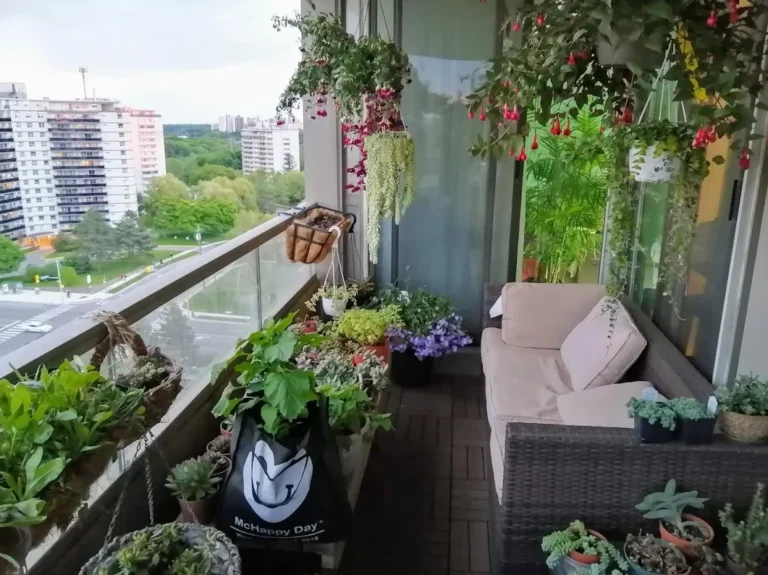
10 Easy Greenhouse Ideas for Small Spaces
The end of the growing season can be disappointing for any gardener. As temperatures drop, your options for growing fresh food or vibrant flowers become limited. But what if you could extend your season, or even grow all winter long? A greenhouse is the solution, and you don’t need a huge backyard or a massive budget to get one.
This guide explores 10 simple and effective greenhouse ideas specifically designed for small yards, patios, and even tiny apartment balconies.
What Can a Small Greenhouse Do for You?
Before choosing a design, it’s helpful to understand the powerful benefits these compact structures offer. A small greenhouse creates a “microclimate,” a tiny pocket of warmth and humidity that protects your plants from the harshest elements.
- Extend Your Growing Season: This is the biggest advantage. You can start your seeds (like tomatoes or peppers) weeks earlier in the spring, long before the last frost. In the fall, a greenhouse can protect your plants from the first frosts, giving you an extra month or more of harvest time for crops like lettuce.
- Protect Vulnerable Plants: Do you have tender plants like citrus trees in pots or delicate geraniums you want to save over winter? A small greenhouse is the perfect winter spa for them, shielding them from freezing temperatures and harsh winds without cluttering your house.
- Grow Fresh Greens in Winter: Many small greenhouses, especially cold frames, allow you to actively grow cold-hardy vegetables like spinach, kale, and winter lettuce right through the snow. This opens up the possibility of a year-round harvest.
10 Smart Greenhouse Ideas for Compact Yards & Balconies
Here are ten practical and popular ideas that prove you don’t need a lot of space to create a productive microclimate.
1. The Classic Cold Frame: The Original Mini-Greenhouse
A cold frame is the most traditional and arguably one of the most effective small-space solutions. It’s essentially a bottomless box that sits on the ground, with a transparent, sloped lid (often an old window or a plastic panel) that lets in sunlight.

It works by trapping the sun’s heat in the soil during the day and slowly releasing it at night. This simple box can keep the soil inside significantly warmer than the air outside. It’s the perfect environment for “hardening off” young seedlings in the spring or for growing a small patch of salad greens all winter. You can build a simple one from scrap wood or buy a pre-made kit.
2. The Space-Saving Lean-To Greenhouse
A lean-to greenhouse is exactly what it sounds like a structure that “leans against” the wall of your house, garage, or shed. It’s like a full greenhouse cut in half.

This design is incredibly efficient for small spaces. Because it shares a wall with your home, it benefits from the heat radiating from your house, making it warmer than a freestanding greenhouse. This makes it an ideal spot for starting seeds early or protecting half-hardy plants. It maximizes a narrow side yard or patio space perfectly.
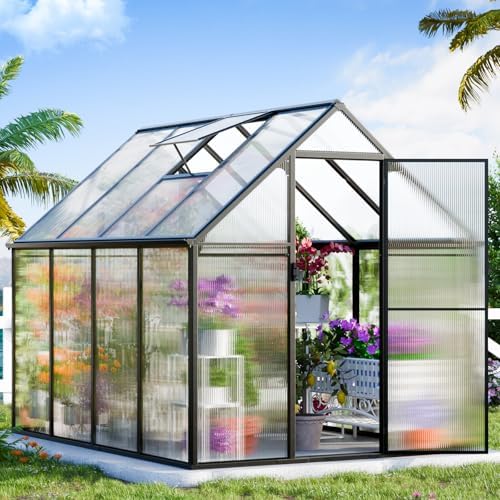
- 【Sturdy Frame】Our greenhouse kit boasts a robust rust-resistant aluminum frame designed to withstand various weather con…
- 【Durable Panels】 These 4mm twin-wall polycarbonate panels are nearly unbreakable. They allow 70% light transmission for …
- 【Thoughtful Design】 There are rain gutters on both sides to effectively drain rain and snow. Swing door provide easy acc…
3. The 4-Tier Balcony Greenhouse
You’ve likely seen these everywhere, and for good reason. This is one of the most popular and budget-friendly options for renters and balcony gardeners. It’s a simple metal shelving unit (usually 4 or 5 tiers) that comes with a fitted, clear plastic cover and a zip-up door.

This is not a high-performance, long-term structure, but it’s brilliant for its purpose: creating a temporary, vertical “plant closet” on a balcony. It’s perfect for storing your potted geraniums or a collection of small potted herbs, shielding them from frost and wind. A word of warning: they are very lightweight, so you must secure the frame to your balcony railing or wall to prevent it from blowing over in a storm.
4. The DIY Recycled Bottle Greenhouse
This is a fantastic and visually stunning project for the eco-conscious gardener. This design involves building a wooden frame and creating the “glass” panels by stacking hundreds of empty, clear plastic soda or water bottles.

The trapped air inside each bottle acts as a surprisingly effective insulator. It’s a significant DIY undertaking but the result is a beautiful, functional structure made almost entirely from “trash.” This is one of the most creative upcycled planter and garden ideas you can build, turning waste into a productive garden feature.
5. The Raised Bed Hoop House
If you already have raised garden beds, you’re halfway to a greenhouse. A hoop house (or “low tunnel”) is made by attaching flexible PVC pipes or metal hoops to the sides of your raised bed, bending them over the top to create a tunnel.

You can then drape this tunnel with different materials: heavyweight plastic for a true greenhouse effect in winter, or a simple frost cloth for light protection in spring and fall. It’s a low-cost, effective way to turn your existing garden bed into a protected growing zone.
6. The “Pop-Up” Portable Greenhouse
Think of this as a small, pop-up tent for your plants. These are lightweight, require no assembly, and can be set up in minutes.

They are perfect for providing temporary, last-minute protection over a small garden bed or a group of pots when a sudden frost is in the forecast. When the cold weather passes, you can fold it down and store it in a small bag. It’s an ideal solution for renters or anyone who doesn’t want a permanent structure.

- Heavy Duty Greenhouse for Outdoor: The frame of our greenhouse is made of high quality, corrosion and weather resistant …
- Two Adjustabe Roof Vents: Our outdoor greenhouse has two adjustable roof vents for ventilation which are pole less mode …
- Innovation Structure: We have upgraded the door to a swing out lockable design, making it easier for you to walk into th…
7. The Indoor Windowsill Greenhouse
The smallest greenhouse of all! This is simply a seed-starting tray that comes with a tall, clear plastic humidity dome. While it won’t protect plants from outdoor frost, it’s the perfect tool for creating a warm, humid microclimate indoors.

This is essential for starting delicate seeds like peppers or tomatoes in late winter. The dome traps moisture and warmth, which dramatically speeds up germination. It’s a key part of any successful indoor garden seed-starting setup.
8. The Trendy IKEA Cabinet Greenhouse
This has become a huge trend on Pinterest and Instagram, and for good reason. Gardeners are buying glass cabinets (like the IKEA “Milsbo” or “Fabrikor”) and hacking them into stunning indoor greenhouses.

By adding small, hidden grow lights, a tiny fan for air circulation, and weather stripping to seal the doors, they create a beautiful, high-humidity environment. This is the perfect solution for growing delicate, high-value tropical plants, rare houseplants, or starting an indoor herb garden in style. It’s part-functional greenhouse, part-modern home decor.
9. The Elegant Patio Greenhouse Box (Wardian Case)
This is a more decorative, permanent option. Think of a miniature, ornate greenhouse, often made of wood and glass, designed to be a focal point on a patio. It’s a modern version of a Victorian “Wardian Case.”

This type of greenhouse is less about high-volume food production and more about beautifully displaying and protecting a few prized plants, such as a small orchid collection, delicate ferns, or bonsai.
10. The DIY “Hoop House” for Containers
This is a small-scale version of the raised bed hoop house, but designed for individual large pots. You can create small hoops out of wire (like old coat hangers) and stick them into the soil of a large pot.

Draping a clear plastic bag over this frame creates a tiny personal greenhouse for a single, valued plant, helping it get through a cold snap.
A Critical Warning: The “Hothouse” Effect
A small greenhouse, especially a plastic one, can be too good at its job. A common and heartbreaking mistake is to trap your plants in it on a sunny day.

Even on a cool or cold day, if the sun is shining brightly, the temperature inside a small, sealed plastic greenhouse can skyrocket to over 100°F (38°C) very quickly. This will cook your plants to death.
The Solution: You must ventilate! On any sunny day, even in winter, you must remember to zip open the door or prop open the lid of your greenhouse for a few hours to allow excess heat to escape and fresh air to circulate.

- [EFFORTLESS ASSEMBLY] : Our greenhouse are simple in design, with detailed assembly videos, clear instruction manuals an…
- [UPGRADED DURABLE BUILDING] : Our Garvee 6×10 ft greenhouses are constructed with 720 g/m² polycarbonate panels and rein…
- [BALANCED VENTILATION AND ENHANCED SAFETY] : Our Garvee greenhouse design combines adjustable ventilation with safe acce…
Are Greenhouses Bad for the Environment? (A Quick Look)
This is a valid question. The answer depends entirely on how you build and use it.

- The Potential Downsides: Many budget-friendly greenhouses are made from non-recyclable PVC plastic sheeting that tears after a season or two and ends up in a landfill. If you use an electric heater to keep a large greenhouse warm all winter, it will consume a significant amount of energy.
- The Powerful Upsides: A greenhouse allows you to grow your own food locally, which drastically reduces “food miles” and the carbon footprint associated with shipping produce from thousands of miles away. If you build your greenhouse from recycled materials (like the DIY Bottle Greenhouse or an old window for a cold frame), it becomes a shining example of sustainable, eco-friendly gardening.
The Verdict: By choosing durable materials, using recycled items, and relying on passive solar heat instead of electric heaters, a small backyard greenhouse is an overwhelmingly positive and sustainable choice.
A Few Final Tips Before You Start

- Location is Key: Most greenhouses and cold frames need the sunniest spot you can find, especially to trap heat during short winter days.
- Level Ground: Ensure your greenhouse is placed on a flat, level surface to keep it stable and prevent water from pooling in one corner.
- Anchor It Down: This is essential for lightweight shelf or pop-up greenhouses. A strong gust of wind will turn them into a kite if they aren’t securely anchored to a wall, railing, or the ground.
Conclusion: Your Garden Doesn’t Have to End in Winter
You don’t need a massive, expensive glass building to extend your gardening season. The simple act of creating a small, protected microclimate whether it’s a cold frame made from an old window or a plastic cover over a balcony shelf—can make a huge difference.
These small structures are gateways to year-round gardening. They allow you to protect your favorite plants, start your spring garden earlier, and even harvest fresh, crisp greens in the middle of winter. I hope these ideas have inspired you to find a solution that fits your space and budget.